Laser vs. Peels – Best Option for Melasma in Manchester
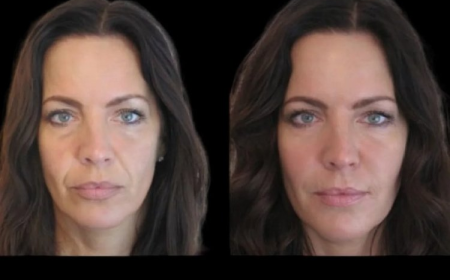
When it comes to treating Melasma In Manchester, both laser treatments and chemical peels offer effective solutions.
 SLAMedicalClinic
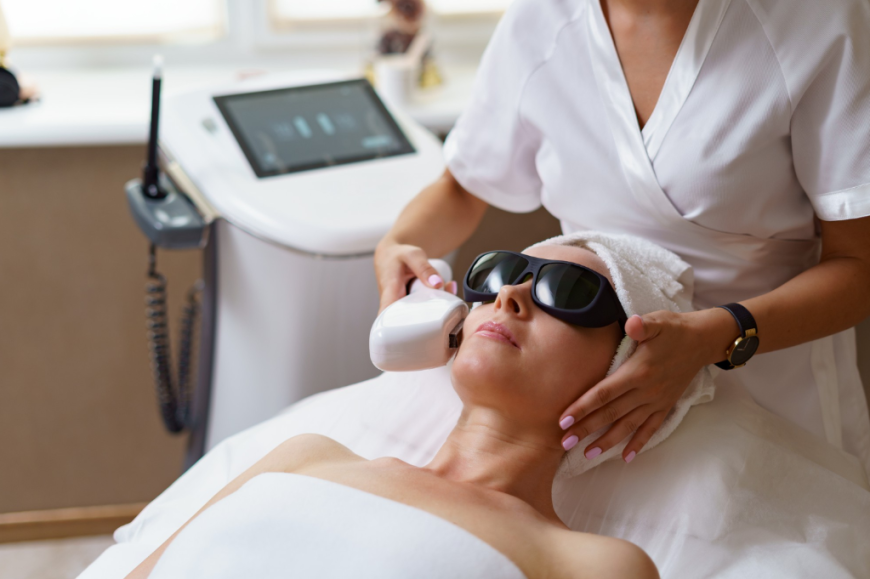
Melasma is a common yet often frustrating skin condition that causes dark, patchy pigmentation—typically on the face. For individuals seeking effective treatment, the choice often comes down to laser therapies or chemical peels. If you're exploring options for Melasma In Manchester, understanding the differences between these two approaches is key to making the right decision for your skin.
At SLA Medical Clinic, patients are guided through tailored treatment plans that address melasma with precision and care, using advanced, medically approved techniques.
Understanding Melasma and Its Causes
What is Melasma?
Melasma is a type of hyperpigmentation that appears as brown or grey-brown patches, usually on the cheeks, forehead, nose, and upper lip. It occurs due to an overproduction of melanin, the pigment responsible for skin color.
Common Triggers of Melasma
Melasma can be influenced by a variety of internal and external factors, including hormonal changes, sun exposure, and genetics. It is particularly common among women and can often be linked to pregnancy or hormonal therapies.
Why Professional Treatment is Essential
While over-the-counter products may offer mild improvements, professional treatments are typically required to achieve noticeable and lasting results. This is where laser treatments and chemical peels come into play.
Laser Treatments for Melasma
How Laser Therapy Works
Laser treatments use targeted light energy to break down excess pigmentation in the skin. The energy penetrates the deeper layers, helping to reduce melanin clusters without damaging surrounding tissue.
Benefits of Laser Treatments
Laser therapy is known for its precision. It can specifically target pigmented areas, making it suitable for stubborn or deeper melasma. It also promotes collagen production, improving overall skin texture and tone.
What to Expect During Treatment
Sessions are usually quick and involve minimal discomfort. Depending on the severity of melasma, multiple sessions may be required for optimal results.
Chemical Peels for Melasma
How Chemical Peels Work
Chemical peels involve applying a specialized solution to the skin, which exfoliates the top layers and encourages new skin cell turnover. This process helps fade pigmentation over time.
Types of Peels Used for Melasma
Superficial and medium-depth peels are commonly used for melasma treatment. These are designed to gently remove pigmented skin without causing excessive irritation.
Benefits of Chemical Peels
Chemical peels are excellent for improving overall skin brightness and texture. They are particularly effective for surface-level pigmentation and can be customized based on skin type and condition.
Laser vs. Peels – Key Differences
Depth of Treatment
Laser treatments penetrate deeper into the skin, making them more suitable for dermal melasma. Chemical peels, on the other hand, work primarily on the surface layers.
Speed of Results
Laser treatments may offer quicker visible improvements, especially for more persistent pigmentation. Chemical peels provide gradual results that improve with repeated sessions.
Customization and Flexibility
Both treatments can be tailored, but chemical peels offer a wider range of formulations for different skin concerns, while lasers provide highly targeted precision.
Choosing the Best Option for Melasma
Factors to Consider
Choosing between laser and peels depends on several factors, including the depth of pigmentation, skin type, and individual goals. A professional consultation is essential to determine the most effective approach.
Combination Treatments
In many cases, combining both laser therapy and chemical peels yields the best results. This approach targets melasma at multiple levels, enhancing overall effectiveness.
Personalized Treatment Plans
At SLA Medical Clinic, personalized treatment plans are developed after a thorough skin assessment, ensuring each patient receives the most suitable solution for their condition.
Aftercare and Maintenance
Importance of Sun Protection
Sun protection is crucial in managing melasma. Daily use of high-SPF sunscreen helps prevent recurrence and maintains treatment results.
Skincare Routine
A consistent skincare routine that includes gentle cleansing, hydration, and targeted treatments can support and prolong the benefits of professional procedures.
Long-Term Management
Melasma is a chronic condition that requires ongoing care. Regular follow-ups and maintenance treatments can help keep pigmentation under control.
Final Thoughts
When it comes to treating Melasma In Manchester, both laser treatments and chemical peels offer effective solutions. The best option ultimately depends on your unique skin needs and the nature of your pigmentation.