Labubu: The Mischievous Icon of Modern Designer Toy Culture
In the ever-evolving world of collectible designer toys, few figures have managed to capture imagination and emotional attachment quite like Labubu.
 synaworldofficialuk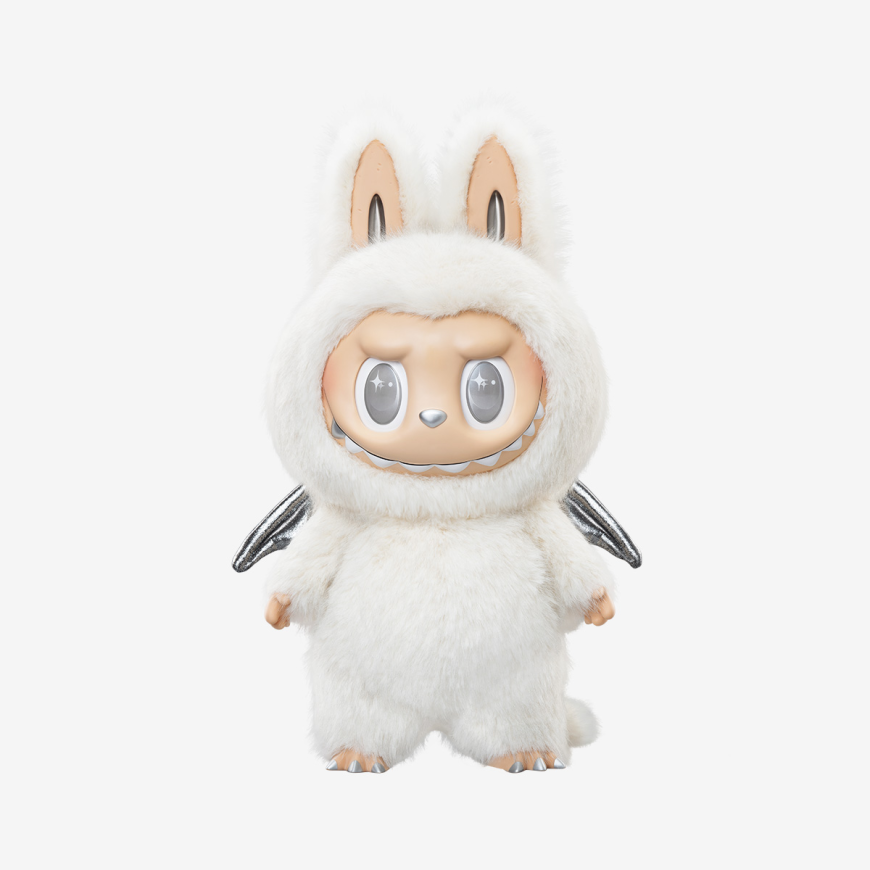
In the ever-evolving world of collectible designer toys, few figures have managed to capture imagination and emotional attachment quite like Labubu. At first glance, Labubu appears playful, even slightly chaotic—a wide-eyed creature with a toothy grin that sits somewhere between cute and unsettling. Yet this contrast is precisely what makes it unforgettable. It is not just a toy sitting on a shelf; it feels like a personality frozen in time, carrying a story that viewers instinctively want to decode.
Unlike traditional mass-market figurines, Labubu exists in a creative space where art, storytelling, and emotional projection intersect. It represents a shift in how people interact with collectible objects—not merely as possessions, but as companions that reflect mood, identity, and imagination.
The Creative Origins Behind Labubu
Labubu was born from the imaginative mind of artist Kasing Lung, whose work often blends fairytale-like innocence with subtle darkness. His artistic style is heavily influenced by European storybooks, Nordic folklore, and a slightly eerie sense of whimsy that makes his characters feel like they belong to a forgotten magical world.
Rather than designing characters that are purely cute or conventionally appealing, Kasing Lung creates beings that feel emotionally layered. Labubu is a perfect example of this philosophy. It is mischievous, unpredictable, and expressive, yet strangely comforting. This duality is intentional—it allows the character to evoke multiple interpretations depending on the viewer’s perspective.
When POP MART collaborated with Kasing Lung, Labubu transitioned from an artistic concept into a global collectible phenomenon. POP MART’s expertise in blind box culture and retail storytelling helped amplify Labubu’s presence, turning it into one of the most recognizable figures in the designer toy industry.
Design Language: Why Labubu Feels So Different
One of the most striking aspects of Labubu’s design is its intentional imperfection. The uneven grin, sharp yet playful teeth, and oversized expressive eyes create a sense of emotional contradiction. It is neither fully cute nor fully creepy—it exists in a hybrid aesthetic space that feels refreshingly modern.
This design language taps into a broader trend in contemporary art toys where emotional ambiguity is valued more than perfection. Instead of aiming for polished symmetry, Labubu embraces irregularity. This makes each version of the character feel alive, as if it carries a different emotional state depending on pose, color scheme, or themed costume.
Another defining feature is versatility. Labubu appears in countless variations—seasonal outfits, fantasy interpretations, costume-based editions, and collaborative designs. Each version maintains the core identity while exploring new narrative directions. This adaptability is one reason collectors remain continuously engaged; Labubu never feels static.
The Psychology of Attachment: Why People Connect With Labubu
At a psychological level, Labubu triggers what can be described as “safe unpredictability.” The character looks slightly chaotic, but never threatening. This balance creates curiosity without discomfort. Humans are naturally drawn to faces and expressions that suggest emotion, and Labubu’s exaggerated features amplify this instinct.
There is also an element of projection. Because Labubu does not come with a strict narrative or personality description, collectors often assign their own meanings to it. For some, it represents childhood imagination. For others, it symbolizes playful rebellion or emotional complexity. This openness is rare in commercial products and is a key reason for its emotional resonance.
Additionally, the blind box format introduced by POP MART enhances anticipation and reward mechanisms. The uncertainty of which version a buyer will receive adds a gamified emotional layer to collecting. Over time, this transforms Labubu from a simple object into an experience.
Labubu and the Rise of Designer Toy Culture
La bubu success cannot be separated from the broader rise of designer toy culture. Once considered a niche art form, collectible figurines have now become a global lifestyle trend. This movement sits at the intersection of art collecting, pop culture fandom, and consumer psychology.
Labubu stands out within this landscape because it does not rely on external franchises or media narratives. Instead, its identity is built entirely through design and emotional storytelling. This independence gives it artistic credibility while still remaining commercially successful.
Collectors often display Labubu not just as toys, but as curated art pieces. Shelves dedicated to designer figures are arranged with careful attention to color harmony, thematic consistency, and emotional tone. In this sense, Labubu has become part of interior aesthetics as much as collectible culture.
The Role of Scarcity and Collectibility
A significant part of Labubu’s appeal lies in its structured scarcity. Limited editions, secret variants, and seasonal releases create a controlled ecosystem of rarity. This scarcity is not accidental; it is carefully designed to maintain excitement and long-term interest.
Collectors often describe the thrill of chasing rare Labubu editions as part of the experience itself. The emotional highs and lows associated with blind box openings contribute to a deeper attachment. Even common variants retain value because they are part of a larger narrative collection system.
Over time, this has led to secondary markets where certain rare Labubu figures become highly sought after. However, unlike purely investment-driven collectibles, most Labubu fans are motivated by emotional and aesthetic appreciation rather than financial speculation.
Cultural Impact and Global Reach
Labubu has transcended regional boundaries and become a recognizable figure in global designer toy communities. Its popularity extends across Asia, Europe, and increasingly Western markets, where designer toy culture continues to grow.
Social media has played a major role in this expansion. Platforms like Instagram and TikTok allow collectors to showcase their Labubu displays, unboxing experiences, and custom arrangements. This visual sharing culture amplifies Labubu’s presence and reinforces its identity as both an art object and a lifestyle symbol.
In many ways, Labubu represents a new form of cultural storytelling—one that is decentralized, visually driven, and emotionally interpretive. It does not rely on language or narrative explanation. Instead, it communicates through form, expression, and aesthetic mood.
Emotional Versatility: Why Labubu Never Feels the Same Twice
One of the most fascinating aspects of Labubu is how its meaning shifts depending on context. A Halloween-themed version feels playful and slightly spooky, while pastel editions evoke softness and nostalgia. Even the same figure can feel different depending on lighting, arrangement, or surrounding decor.
This emotional versatility is rare in physical collectibles. It allows Labubu to function almost like a mood object—something that reflects the emotional environment of its owner. In this sense, Labubu becomes more than a collectible; it becomes a companion in visual form.
The Artistic Legacy of Labubu
Looking beyond trends and popularity, Labubu represents a significant moment in contemporary toy art. It demonstrates how character design can transcend entertainment and become a form of emotional expression. Through its distinctive visual identity and conceptual openness, it challenges traditional boundaries between art, product, and storytelling.
The collaboration between POP MART and Kasing Lung has shown that commercial platforms can still support deeply artistic creations without diluting their originality. Labubu stands as proof that emotional design resonates more deeply than purely functional aesthetics.