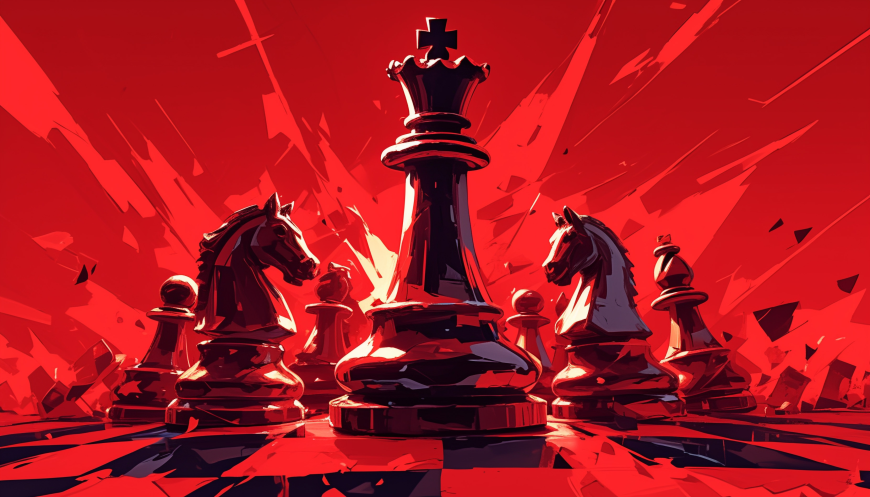
Why King Safety Changes Everything
Most players don’t lose because they don’t know openings. They lose because their king gets hunted. Simple as that.
You can have better tactics, better plans, even better positions… and still lose in 5 moves if your king is exposed. That’s the harsh truth of chess.
I’ve seen beginners hang pieces, sure. But intermediate players? They collapse when their king is under fire. Panic kicks in. Moves get rushed. Blunders follow.
If you’re working with a chess trainer online, this is usually one of the first serious lessons they drill into you. Not openings. Not fancy tactics. King safety.
Because without a safe king, nothing else matters.
What Does King Safety Actually Mean?
It’s not just “castle early” and done. That’s beginner thinking.
King safety is about:
- Keeping your king away from direct threats
- Controlling attacking squares around your king
- Limiting your opponent’s piece activity near your king
- Avoiding unnecessary weaknesses (this one is ignored a lot)
A safe king is not always hiding. Sometimes it’s active, especially in endgames. But in the opening and middlegame? You protect it like your life depends on it.
Because it does.
The Basics Most Players Ignore
Let’s go step by step. No theory overload.
1. Castling Isn’t Optional
If your king stays in the center too long, you’re asking for trouble.
Open files. Checks. Tactics everywhere.
Castle early. Not randomly, but don’t delay it for no reason. Every move you delay, your opponent gets closer to opening the position.
2. Pawn Structure Around the King
Your pawns are your shield.
Move them carelessly, and suddenly your king is full of holes.
Common mistake:
- Pushing pawns like f3, g4, h4 without thinking
- Creating weak squares your opponent can target
Once those weaknesses are there, you can’t undo them.
Common Mistakes That Destroy King Safety
This is where most games are lost. Not won. Lost.
Overextending Pawns
Players push pawns thinking they are attacking. But actually, they are exposing their king.
One push. Then another. Suddenly diagonals open, files open… and boom, checkmate threats.
Ignoring Opponent’s Attack
You focus on your plan. Your attack. Your idea.
But your opponent is building something too.
And if they are faster, your king is gone.
Delaying Castling for No Reason
Trying to be “creative”. Or greedy for material.
It backfires more often than it works.
Game Scenario: How King Safety Decides the Game
Let’s imagine a common situation.
White delays castling. Plays aggressively in the center. Looks strong.
Black develops normally. Castles early. Brings rooks to open files.
Then it happens.
A simple pawn break. Lines open. White’s king is stuck in the center.
Now every move is a check, or a threat. Pieces start falling. The position collapses fast.
Game over, even if material was equal before.
This is not rare. This is everyday chess.
Strategic Thinking: Protect First, Attack Later
Here’s something most players don’t like hearing.
You don’t always need to attack.
Sometimes, you just need to make sure your king is safe, and your opponent has no counterplay.
That’s real strategy.
Good players ask:
- Is my king safe?
- Can my opponent open lines toward my king?
- Do I have weaknesses around my king?
Only after that, they think about attacking.
How Openings Affect King Safety
Your opening choice matters more than you think.
Some openings are aggressive but risky. Others are solid and safe.
Take the Caro-Kann Defense for example.
This is why many players prefer a caro kann course when they want stability. The structure is solid. The king is usually safe. You don’t get blown off the board easily.
But even in the Caro-Kann, if you ignore king safety, you will lose.
No opening saves bad habits.
Advanced Insight: King Safety in Middlegame
This is where things get interesting.
Even if you castle, your king is not automatically safe.
You still need to:
- Watch open files
- Control diagonals
- Keep defending key squares
Sometimes you even need to move your king again. Yes, that happens.
Strong players constantly reassess king safety. Every few moves.
Training King Safety (What Actually Works)
Reading is fine. But training matters more.
Here’s what actually helps:
- Analyze your lost games (look at where your king got exposed)
- Solve tactical puzzles focused on checkmate patterns
- Study games where attacks succeed or fail
- Work with structured guidance (this is where platforms like Metal Eagle Chess help a lot)
A good system, or even a proper chess trainer online, will point out mistakes you don’t even notice.
And trust me, you miss a lot.
Why Beginners and Kids Struggle With This
Kids and beginners want to attack. Fast. Aggressive.
They don’t care about king safety. Until they start losing again and again.
Parents often notice this too. The child plays well, then suddenly loses.
That “sudden loss”? Usually king safety.
Fix that, and results improve quickly.
Final Thoughts: Respect the King or Lose the Game
There’s no shortcut here.
You can study tactics, openings, even memorize lines from a caro kann course but if your king is unsafe, none of it will save you.
King safety is not just a rule. It’s the foundation of chess.
At Metal Eagle Chess, this is something that gets repeated again and again. Not in a fancy way. Just straight truth.
Protect your king. Stay alert. Don’t get careless.
Do that, and your game improves faster than you expect.
Ignore it… and you’ll keep losing games you should have won.

 crissmiel