Integrating Vertical Conveyors into Existing Mezzanine and Multi-Floor Warehouse Operations
 alexjoe
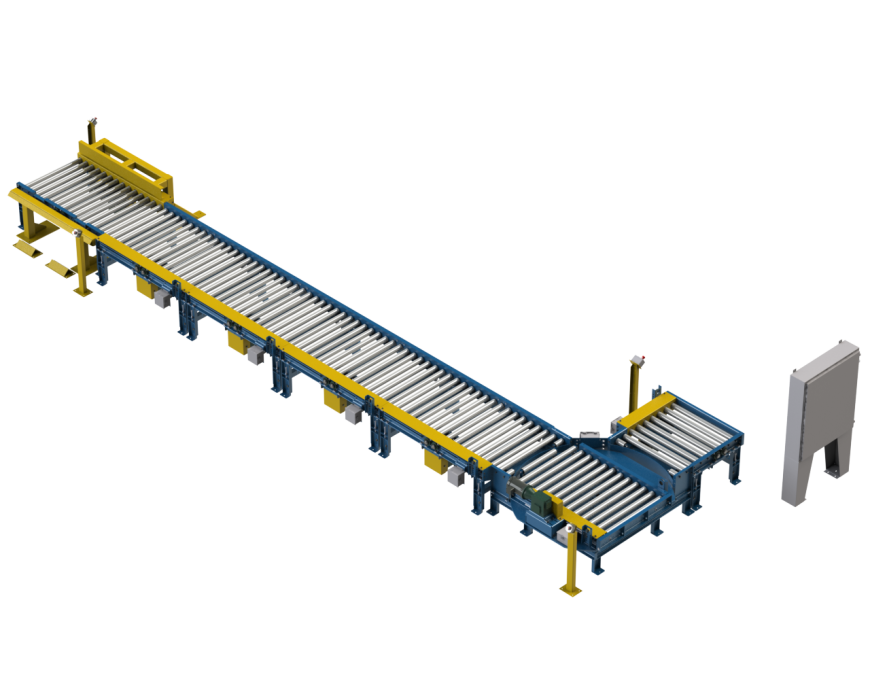
Warehouse space is expensive, and many operations have responded by building upward. Mezzanines, multi-floor layouts, and elevated pick modules are common in distribution centers and fulfillment operations where horizontal floor space is limited. The challenge arises when products need to move between levels efficiently without creating bottlenecks or relying on manual handling.
Vertical conveyors solve this problem by automatically transporting goods between elevations, but integrating them into an existing facility requires careful planning for layout, throughput, product types, and system compatibility.
What Vertical Conveyors Do
A vertical conveyor moves products, totes, cases, or pallets between two or more levels within a facility. Unlike freight elevators, which require an operator and move intermittently, vertical conveyors run continuously or on demand and can be fully integrated into an automated conveyor line. Product enters at one level, is raised or lowered, and exits at the destination level without manual intervention.
There are several design types, including continuous loop, reciprocating, and spiral configurations. The right choice depends on throughput requirements, product size and weight, available footprint, and how many levels need to be connected.
Assessing Your Existing Layout
Before adding a vertical conveyor to an existing operation, the first step is to evaluate the physical space. Key considerations include ceiling height at the point of installation, available floor space at both the feed and discharge levels, structural load capacity of the mezzanine or upper floor, and clearance for maintenance access.
In retrofit situations, space is often tight. A reciprocating vertical conveyor may have a smaller footprint but lower throughput compared to a continuous vertical conveyor. A vertical sorter can be a strong option when product needs to be directed to multiple levels or multiple discharge points, combining vertical transport with automated routing in a single unit.
Throughput and Speed Considerations
Matching the vertical conveyor’s capacity to the rest of the system is critical. If the conveyor feeding product to the vertical unit runs at 60 cartons per minute, but the vertical conveyor can only handle 30, a bottleneck forms immediately. Conversely, oversizing the vertical conveyor adds unnecessary cost.
Work with the equipment manufacturer or systems integrator to model throughput at peak volumes, not just averages. Facilities that experience seasonal surges or promotional spikes need a vertical solution that handles those peaks without backing up upstream conveyors or sortation systems.
How a Vertical Sorter Fits In
A vertical sorter combines elevation change with directional sorting. Instead of simply moving products up or down, it can route items to specific levels or discharge points based on scan data, order information, or destination codes. This is especially useful in multi-floor fulfillment centers where different product categories, shipping lanes, or packing stations are located on separate levels.
Integrating a vertical sorter into an existing system typically requires a connection to the facility’s warehouse control system (WCS) or warehouse management system (WMS) so that routing decisions are made in real time based on order data.
Structural and Electrical Requirements
Adding a vertical conveyor to a mezzanine environment may require structural reinforcement. The weight of the unit itself, combined with the dynamic load of products in motion, needs to be accounted for in the building’s engineering analysis. Consult with a structural engineer before installation to confirm that the mezzanine or upper floor can support the added load.
On the electrical side, vertical conveyors typically require dedicated power circuits and may need integration with existing PLC or control networks. Planning for power, data, and safety circuits early in the project avoids costly rework during installation.
Safety and Code Compliance
Vertical conveyors installed in occupied facilities must comply with relevant safety standards, including ASME, OSHA, and local building codes. Guarding, interlocks, emergency stops, and restricted access zones are standard requirements. If the vertical conveyor passes through a floor opening, fire code requirements around automatic shutters or fire-rated enclosures may also apply.
These requirements are not optional and should be addressed during the design phase, not after the equipment is delivered.
Planning for a Successful Integration
The most successful vertical conveyor integrations start with a detailed site survey, accurate throughput modeling, and clear communication between the facility owner, the equipment manufacturer, and the systems integrator. Rushing the specification process often leads to equipment that does not match the operation’s actual needs.
When done correctly, a vertical conveyor turns wasted vertical space into productive throughput, connecting levels seamlessly and keeping product moving without manual handling or operational slowdowns.