Inside the Industry: How Salt Manufacturers in Pakistan Maintain Global Standards
Discover how Pakistani salt manufacturers maintain world-class quality standards, from Himalayan pink salt to industrial-grade products, serving 85+ countries globally.
 freyaparker
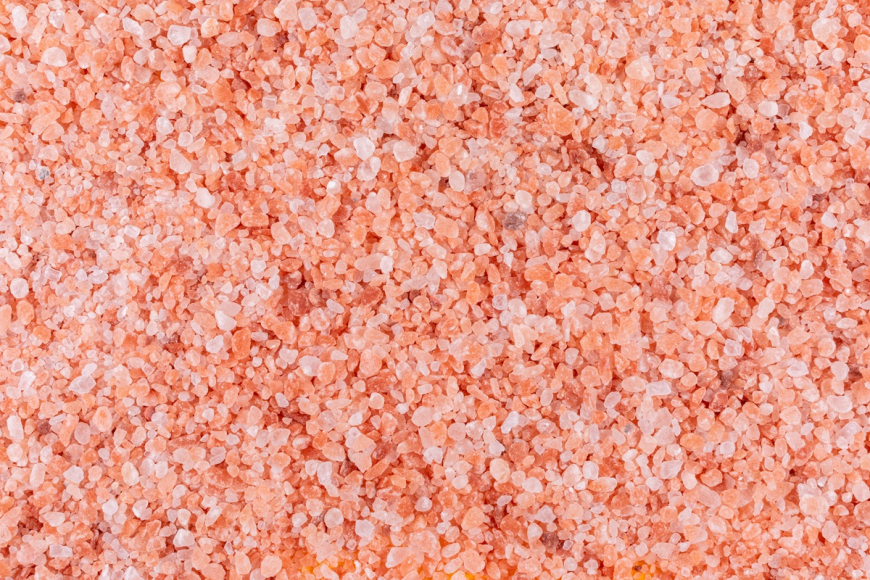
Pakistan's salt industry has emerged as a powerhouse in the global market, with the country's unique geological advantages positioning it as one of the world's most trusted suppliers of high-quality salt products. From the pristine Himalayan pink salt that has captured international attention to industrial-grade sodium chloride serving diverse sectors, salt manufacturers in Pakistan have built their reputation on unwavering commitment to quality and international standards.
The Pakistani salt industry represents a fascinating blend of natural abundance and modern manufacturing excellence. With deposits spanning from the famous Khewra Salt Mine—one of the world's largest and oldest salt mines—to various other mineral-rich locations across the country, Pakistan has leveraged its geological gifts to create a thriving export industry that serves over 85 countries worldwide.
This article explores the intricate world of Pakistani salt manufacturing, revealing how industry leaders maintain global standards while preserving the authentic quality that has made their products sought after from North America to Europe and beyond.
The Foundation of Pakistan's Salt Industry Excellence
Geological Advantages and Natural Resources
Pakistan's salt industry is built upon extraordinary geological foundations that have been millions of years in the making. The country sits atop some of the world's most significant salt deposits, with the Khewra Salt Mine in Punjab province serving as the crown jewel of this natural treasury. These deposits, formed during the Precambrian era, contain salt with exceptional purity levels and unique mineral compositions that set Pakistani salt apart from competitors worldwide.
The natural advantages extend beyond mere quantity. The mineral-rich composition of Pakistani salt, particularly the famous Himalayan pink salt, contains trace elements including iron oxide, which gives it its distinctive color, along with calcium, magnesium, and potassium. This natural mineral profile has become increasingly valued in international markets, where consumers seek authentic, unprocessed products.
Strategic Geographic Position
Pakistan's strategic location provides manufacturers with significant logistical advantages for global distribution. With access to major shipping routes through the Arabian Sea and proximity to key Asian markets, Pakistani salt manufacturers can efficiently serve customers across continents. This geographic advantage has been instrumental in establishing Pakistan as a reliable supplier for multinational corporations and specialty food companies worldwide.
Quality Standards and Certification Frameworks
International Certification Systems
Leading Pakistani salt manufacturers have embraced comprehensive certification systems to ensure their products meet the highest international standards. Companies like Standard Salts and RM Salt Pakistan have obtained crucial certifications including ISO standards, GMP (Good Manufacturing Practices), Halal certification, and Kosher approval. These certifications demonstrate compliance with global food safety and quality requirements.
The ISO certification process involves rigorous auditing of manufacturing processes, quality control systems, and supply chain management. Pakistani manufacturers have invested significantly in upgrading their facilities and training personnel to meet these exacting standards. This commitment to certification has opened doors to premium markets in North America, Europe, and the Middle East.
Halal and Kosher Compliance
Understanding the diverse religious and dietary requirements of global markets, Pakistani salt manufacturers have prioritized Halal and Kosher certifications. These certifications require strict adherence to specific processing methods, equipment sanitization protocols, and supply chain transparency. The ability to provide certified Halal and Kosher salt products has given Pakistani manufacturers access to specialized market segments worth billions of dollars globally.
Good Manufacturing Practices (GMP)
GMP certification ensures that salt production facilities maintain the highest standards of hygiene, equipment maintenance, and personnel training. Pakistani manufacturers have invested heavily in modernizing their facilities to meet GMP requirements, including the installation of advanced filtration systems, automated packaging lines, and comprehensive quality testing laboratories.
Advanced Manufacturing Processes and Technology
Mining and Extraction Techniques
Modern Pakistani salt manufacturers employ sophisticated mining techniques that preserve the natural integrity of salt crystals while maximizing extraction efficiency. The traditional room-and-pillar mining method has been refined with modern equipment to ensure sustainable extraction while maintaining safety standards for workers.
Advanced crushing and screening technologies allow manufacturers to produce salt in various grades and specifications to meet diverse customer requirements. From coarse rock salt for de-icing applications to fine pharmaceutical-grade salt for medical uses, Pakistani manufacturers have developed the technical capability to serve multiple market segments.
Purification and Processing
State-of-the-art purification processes ensure that Pakistani salt products meet international purity standards. These processes include mechanical cleaning, optical sorting, and in some cases, solution mining for ultra-pure applications. The ability to produce salt with purity levels exceeding 99% has positioned Pakistani manufacturers as preferred suppliers for food processing companies and pharmaceutical manufacturers.
Quality Control Laboratories
Leading Pakistani salt manufacturers have established sophisticated quality control laboratories equipped with advanced analytical instruments. These facilities conduct comprehensive testing for:
- Chemical composition analysis
- Moisture content measurement
- Particle size distribution
- Microbiological testing
- Heavy metal screening
- Trace element analysis
Regular testing ensures that every batch of salt meets specified quality parameters before shipment to international customers.
Market Reach and Global Distribution
International Market Penetration
Pakistani salt manufacturers serve clients in over 85 countries, demonstrating the global acceptance of their products. This extensive market reach reflects the industry's success in building trust with international customers through consistent quality delivery and reliable supply chain management.
The export success story encompasses various product categories, from bulk industrial salt to premium retail packaging for specialty food applications. Pakistani manufacturers have successfully positioned their products in competitive markets including the United States, Canada, European Union countries, and emerging markets in Africa and Southeast Asia.
Supply Chain Management
Efficient supply chain management has been crucial to the success of Pakistani salt manufacturers in global markets. Companies have developed sophisticated logistics networks that ensure timely delivery while maintaining product quality during transportation. This includes specialized packaging solutions that protect salt from moisture and contamination during long-distance shipping.
The integration of digital technologies in supply chain management has further enhanced efficiency. Real-time tracking systems, automated inventory management, and predictive analytics help manufacturers optimize their operations and provide customers with reliable delivery schedules.
Industry Organizations and Regulatory Oversight
Salt Manufacturers Association of Pakistan (SMAP)
SMAP represents all Salt Manufacturers, producers & exporters in Pakistan. This industry has the potential to become one of Pakistan's fastest growing & most valuable export-oriented Industries. SMAP came into existence on 01st April 2021, marking a significant milestone in industry organization and advocacy.
SMAP plays a crucial role in:
- Establishing industry standards and best practices
- Facilitating government relations and policy advocacy
- Promoting Pakistani salt products in international markets
- Providing technical support and training to member companies
- Coordinating research and development initiatives
Government Support and Regulations
The Pakistani government has recognized the strategic importance of the salt industry and has implemented supportive policies to encourage exports and maintain quality standards. Regulatory frameworks ensure that exported salt products meet international requirements while protecting the reputation of Pakistani salt in global markets.
Government initiatives include export incentives, infrastructure development projects, and support for certification processes. These measures have contributed to the industry's growth and competitiveness in international markets.
Challenges and Innovations
Environmental Sustainability
Pakistani salt manufacturers are increasingly focusing on environmental sustainability in their operations. This includes implementing water recycling systems, reducing energy consumption, and adopting eco-friendly packaging solutions. Companies are investing in renewable energy sources and waste reduction technologies to minimize their environmental footprint.
Sustainable mining practices ensure the long-term viability of salt deposits while protecting local ecosystems. Progressive companies have implemented environmental management systems that comply with international standards for environmental protection.
Technological Advancement
The adoption of advanced technologies has been crucial for maintaining competitiveness in global markets. Pakistani salt manufacturers are investing in:
- Automated processing equipment
- Advanced quality testing instruments
- Digital supply chain management systems
- Energy-efficient production technologies
- Innovative packaging solutions
These technological investments have improved production efficiency, product quality, and customer service capabilities.
Market Diversification
To reduce dependence on traditional markets, Pakistani salt manufacturers are actively pursuing diversification strategies. This includes developing new product formulations, entering niche market segments, and establishing direct relationships with end-users rather than relying solely on intermediaries.
Innovation in product development has led to the creation of specialty salt products including flavored salts, therapeutic bath salts, and custom blends for specific industrial applications. This diversification strategy has helped manufacturers command premium prices and build stronger customer relationships.
Case Studies: Success Stories from Leading Manufacturers
Standard Salts: A Model of Excellence
Standard Salts represents one of Pakistan's most successful salt manufacturing companies, demonstrating how commitment to quality and customer service can drive international success. Since 1999 Standard salt has been showing their existence by supplying Himalayan Edible Salt in 40-plus countries.
The company's success factors include:
- Investment in modern processing facilities
- Comprehensive quality management systems
- Strong customer relationship management
- Continuous product innovation
- Effective marketing and branding strategies
RM Salt Pakistan: Certification Leadership
RM Salt Pakistan has established itself as a leader in quality certifications, accredited for Halal & Kosher standards, ensuring top-quality and ethical manufacturing. The company's approach to certification demonstrates how Pakistani manufacturers can differentiate themselves through quality assurance.
Ittefaq Salt: Heritage and Innovation
Since 1983, Ittefaq Salt's dedication to quality has allowed them to become the most trusted source of Himalayan rock salt products. This longevity in the market demonstrates the importance of building trust through consistent quality delivery over decades.
Economic Impact and Market Dynamics
Global Market Position
The global salt market size was valued at $25.98 billion in 2024 & is projected to grow from $26.92 billion in 2025 to $36.13 billion by 2032, at a CAGR of 4.3%. Pakistani manufacturers are well-positioned to capture a significant share of this growing market through their competitive advantages in quality and cost-effectiveness.
The increasing global demand for natural and unprocessed food products has particularly benefited Pakistani Himalayan salt producers. Consumer preference for authentic, mineral-rich products has driven premium pricing for Pakistani salt in international markets.
Export Performance
In 2023, the total value of global salt exports reached approximately $3.4 billion. Compared to 2019, when international salt sales were valued at $2.85 billion, the market has experienced an average growth of 19.1%. Pakistani manufacturers have benefited from this global growth trend through their strategic market positioning and quality focus.
Future Prospects and Industry Evolution
Market Expansion Opportunities
The growing global awareness of Himalayan salt's health benefits presents significant opportunities for Pakistani manufacturers. Market research indicates increasing demand for natural salt products in developed countries, driven by health-conscious consumers seeking alternatives to processed table salt.
Emerging markets in Africa and Southeast Asia also represent untapped potential for Pakistani salt exports. The industry's established reputation for quality positions it well to enter these markets as they develop.
Technology Integration
The future of Pakistani salt manufacturing will likely involve greater integration of digital technologies, including artificial intelligence for quality control, blockchain for supply chain transparency, and Internet of Things (IoT) devices for real-time monitoring of production processes.
Investment in research and development will be crucial for maintaining competitive advantages and developing new products to meet evolving customer needs.
Sustainability Initiatives
Environmental sustainability will continue to gain importance in global markets. Pakistani manufacturers who invest in sustainable practices and obtain relevant environmental certifications will have competitive advantages in environmentally conscious markets.
Pros and Cons of Pakistani Salt Manufacturing
Advantages
Natural Resource Abundance: Pakistan's extensive high-quality salt deposits provide a sustainable competitive advantage that cannot be easily replicated by competitors.
Cost Competitiveness: Lower production costs compared to many developed countries allow Pakistani manufacturers to offer competitive pricing while maintaining healthy profit margins.
Quality Reputation: The established reputation for quality has created strong brand recognition for Pakistani salt products in international markets.
Strategic Location: Geographic advantages facilitate efficient distribution to major global markets.
Government Support: Supportive government policies and export incentives enhance the industry's competitiveness.
Challenges
Infrastructure Limitations: Some regions still face challenges with transportation and logistics infrastructure that can impact efficiency.
Market Concentration: Heavy reliance on specific export markets creates vulnerability to economic or political changes in those regions.
Technical Skill Gaps: The need for continuous training and skill development to keep pace with technological advancement.
Environmental Concerns: Balancing production growth with environmental sustainability requirements.
Regulatory Complexity: Managing compliance with diverse international standards and regulations across multiple markets.
Frequently Asked Questions
What makes Pakistani salt different from salt produced in other countries?
Pakistani salt, particularly Himalayan pink salt, is distinguished by its natural mineral composition and purity. The geological formations in Pakistan have created salt deposits with unique trace elements that provide both distinctive coloration and potential health benefits. Additionally, the traditional mining methods preserve the natural crystal structure.
How do Pakistani salt manufacturers ensure product quality?
Pakistani manufacturers employ multiple quality assurance measures including ISO certification, comprehensive laboratory testing, GMP compliance, and regular third-party audits. Many companies have invested in state-of-the-art quality control laboratories that test for purity, mineral content, and contamination.
What certifications do Pakistani salt manufacturers typically hold?
Leading Pakistani salt manufacturers typically hold ISO certifications, GMP certification, Halal certification, and Kosher approval. Many also maintain organic certifications and specific food safety certifications required by their target markets.
How has the industry evolved in recent years?
The industry has evolved significantly through technological advancement, improved quality systems, market diversification, and stronger international partnerships. The formation of SMAP in 2021 has also enhanced industry coordination and advocacy efforts.
What are the main export destinations for Pakistani salt?
Pakistani salt is exported to over 85 countries worldwide, with major markets including the United States, Canada, European Union countries, Middle Eastern nations, and emerging markets in Africa and Southeast Asia.
Conclusion
The Pakistani salt industry exemplifies how natural advantages can be transformed into sustainable competitive advantages through commitment to quality, technological innovation, and customer focus. Salt manufacturers in Pakistan have successfully built a global reputation for excellence by maintaining rigorous quality standards, obtaining international certifications, and continuously investing in modern manufacturing capabilities.
The industry's success story demonstrates the importance of combining traditional resources with modern business practices. From the ancient salt deposits of the Khewra mines to state-of-the-art processing facilities, Pakistani manufacturers have created a compelling value proposition for customers worldwide.
As global demand for natural, high-quality salt products continues to grow, Pakistani manufacturers are well-positioned to expand their market presence and capture additional value from their unique natural resources. The industry's commitment to sustainability, quality, and innovation will be crucial factors in maintaining competitive advantages in an increasingly competitive global market.
The future of Pakistani salt manufacturing looks promising, with opportunities for growth in both traditional and emerging markets. By continuing to focus on quality excellence, technological advancement, and customer satisfaction, the industry can build upon its current success and establish an even stronger position in the global salt market.
Ready to learn more about Pakistan's exceptional salt industry? Share this article with colleagues in the food industry, leave a comment about your experiences with Pakistani salt products, or contact Pakistani manufacturers directly to explore partnership opportunities. The world-class quality of Pakistani salt manufacturers makes them ideal partners for businesses seeking reliable, high-quality salt suppliers for their operations.