How VRF ACs are Changing Commercial HVAC
VRF AC system, VRF technology
 toshivijay
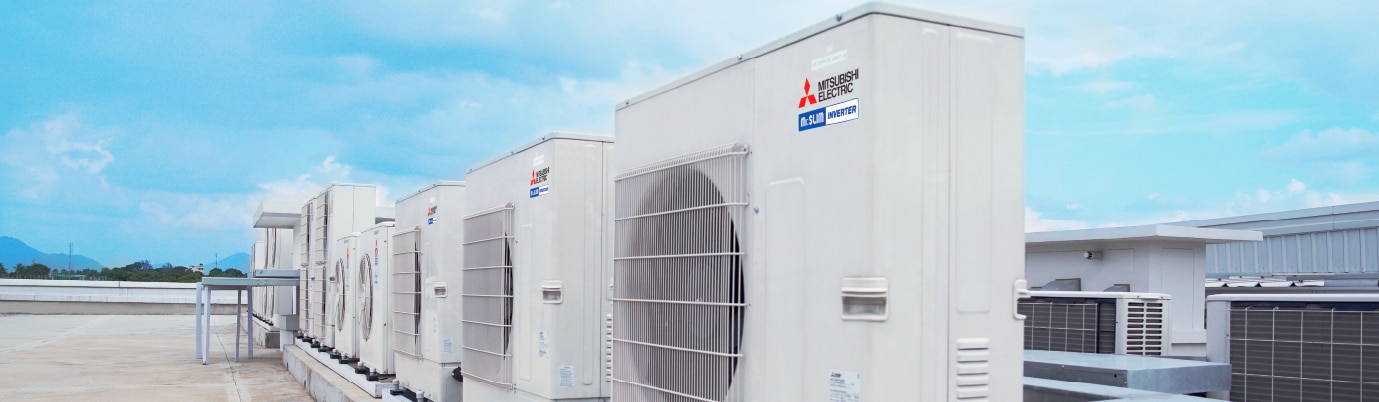
As modern buildings increasingly move towards green and energy-efficient design, expectations from commercial HVAC systems have expanded significantly. Rising energy utility bills, inconsistent cooling across zones, and the growing emphasis on sustainability have made climate control more complex than ever. Commercial establishments today seek solutions that do more than just conventional cooling. They look for precision, flexibility, and operational efficiency at scale – areas where traditional HVAC systems often fall short.
This is where VRF AC system serve as a transformative solution. Enabled by advanced VRF technology, they are redefining how commercial establishments achieve optimal comfort, energy efficiency, and long-term performance.
Precision Cooling with Zoning Capabilities
VRF AC systems enhance traditional HVAC systems by delivering customised cooling through zoning. By regulating refrigerant flow based on zonal requirements, VRF technology ensures that each zone in the building receives optimal temperature without affecting others. This is particularly useful in commercial spaces with varying occupancy and usage patterns.
Enhanced Energy Efficiency
Unlike conventional HVAC systems that operate at fixed capacities, VRF technology adjusts output in real-time. This allows energy to be directed only to zones where it is needed, reducing wastage. As a result, it serves as one of the most sustainable choices for modern buildings.
Simultaneous Heating and Cooling
Another noteworthy feature of VRF technology is its ability to provide both heating and cooling simultaneously in different zones. This enhances occupant comfort and overall system efficiency, particularly in large commercial buildings with diverse temperature requirements.
Improved Comfort and Quiet Operation
With modern VRF AC systems, comfort goes beyond temperature control. These systems ensure that each zone receives consistent cooling or heating with minimal fluctuations, while operating with less or zero noise. This creates a more comfortable and productive environment, especially in commercial buildings like offices, hotels, and complexes.
As commercial facilities continue to evolve with changing technologies and sustainability goals, the need for intelligent and efficient HVAC systems becomes increasingly critical. VRF AC systems, powered by advanced VRF technology, effectively address the limitations of traditional HVAC systems by offering precision, flexibility, and sustainability. As a result, it is paving the way for smarter, more sustainable commercial spaces.