How to Wash and Maintain a Weighted Blanket So It Lasts Longer
 Auteeze
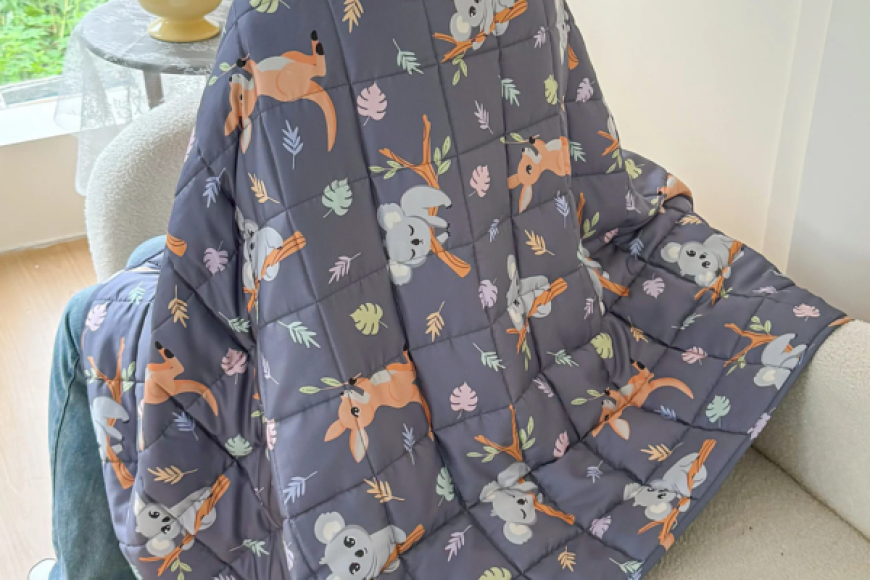
A weighted blanket is an investment, both financially and emotionally, especially if it's become a genuine part of your child's bedtime routine. Once a family finds a blanket that actually helps their child settle and sleep better, the last thing anyone wants is for poor care to wear it out faster than it should. Yet weighted blankets aren't washed and maintained quite the same way as a standard blanket, and a few small mistakes can shorten their lifespan considerably.
The good news is that with the right approach, a well-made weighted blan
ket can stay soft, evenly filled, and effective for years. Here's what actually matters when it comes to washing and maintaining one properly.
Why Weighted Blankets Need Different Care
Unlike a standard blanket, a kids' weighted blanket contains internal filling, usually glass beads or plastic pellets, distributed in stitched pockets throughout the fabric. This construction is what gives the blanket its calming, evenly distributed pressure, but it also means the blanket needs to be treated with more care than a typical throw or doona.
The Risk of Shifting Filling
If a weighted blanket isn't washed and dried properly, the internal filling can shift or clump within its pockets. This doesn't just affect how the blanket looks, it can also change how evenly the pressure is distributed, which is often the entire reason a family chose a weighted blanket in the first place.
The Risk of Fabric Wear
The outer fabric, particularly around stitched seams, takes on a lot of stress from the weight inside. Repeated rough washing or high heat can weaken these seams over time, leading to small tears or leaks that are difficult to repair once they start.
Washing a Weighted Blanket the Right Way
1. Check the Care Label First
Not all weighted blankets are made the same way, and care instructions can vary depending on fabric type and filling material. Always check the specific label on your blanket before assuming a general washing approach will work.
2. Use a Gentle, Cold Wash Cycle
For most bamboo or cotton weighted blankets, a gentle or delicate cycle with cold water is the safest option. Cold water helps protect both the fabric and the stitching, reducing the risk of shrinkage or seam stress over repeated washes.
3. Avoid Overloading the Machine
Weighted blankets are heavier than standard bedding, and cramming one into a smaller machine can put unnecessary strain on both the blanket and the appliance. If your washing machine isn't large enough to let the blanket move freely, consider a larger-capacity machine or a laundromat with commercial-sized machines.
4. Skip Harsh Detergents and Fabric Softeners
Strong detergents and fabric softeners can break down fibres over time and reduce the breathability of natural fabrics like bamboo. A mild, gentle detergent is usually enough to keep the blanket clean without compromising the fabric's natural cooling properties.
Drying Without Damaging the Blanket
Air Drying Is Usually Safest
Where possible, air drying is the gentlest option for a weighted blanket. Laying it flat, rather than hanging it, helps the filling settle evenly and prevents excess strain on any one section of fabric.
If Using a Dryer, Keep the Heat Low
If a dryer is necessary, use a low-heat, gentle cycle and check the blanket periodically. High heat can warp certain filling materials and weaken fabric fibres, particularly around the stitched pockets holding the weight in place.
Fluff and Redistribute Filling After Washing
Once dry, gently shaking and smoothing the blanket helps redistribute any filling that may have shifted during the wash. This small habit goes a long way toward keeping the weight even across the entire blanket.
Everyday Maintenance Between Washes
Use a Removable, washable cover.
Many weighted blankets come with, or can be paired with, a removable cover. Washing the cover regularly instead of the entire blanket reduces wear on the weighted insert itself and makes upkeep far more manageable for busy families.
Spot Clean When Possible
For small spills or marks, spot cleaning with a damp cloth is often enough, saving the blanket from unnecessary full washes that add up over time.
Store It Properly
When not in use, storing a weighted blanket flat or loosely folded, rather than tightly compressed, helps prevent the filling from settling unevenly over long periods.
Why This Matters for Sensory-Sensitive Kids
For families using an autism weighted blanket, consistency matters more than most people realize. A child who has grown used to a specific level of pressure and texture can genuinely notice when a blanket becomes stiffer, unevenly weighted, or less breathable after poor care. Proper washing and maintenance aren't just about extending the blanket's lifespan; they help preserve the exact sensory experience that made the blanket effective in the first place.
This same principle applies across a family's broader sleep setup. Choosing well-made, breathable sensory bedding in Australia designed to handle regular washing without losing its calming properties makes day-to-day care far less stressful for parents already managing a lot.