How To Vet A "Pool Service Near Me" Result Before You Sign A Contract
 JohnDouglas
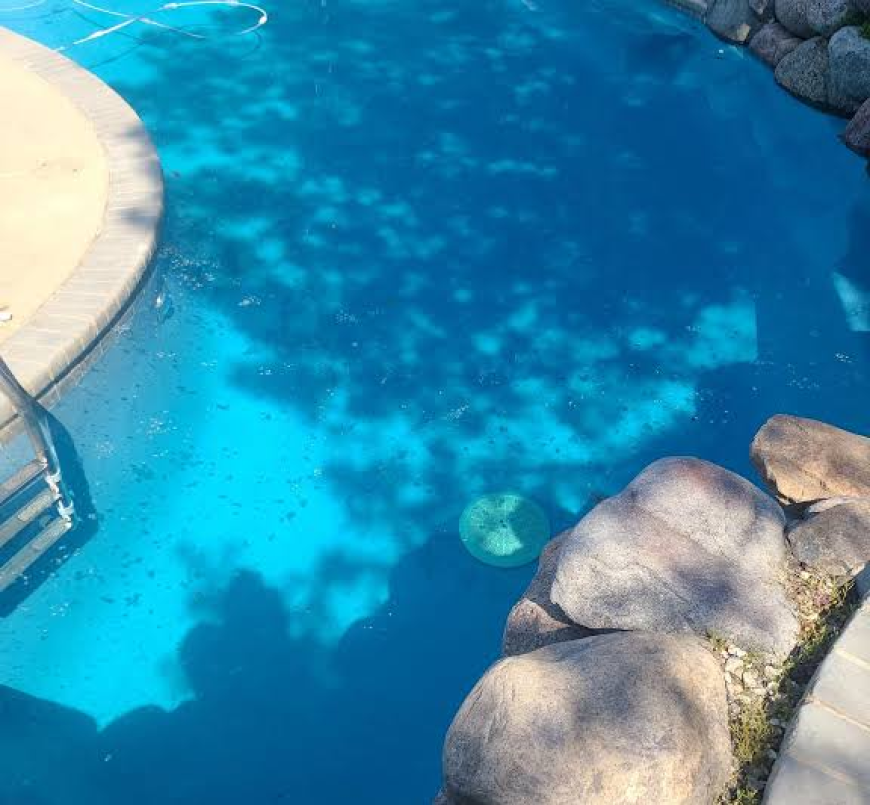
Swimming pools are a great amenity, but finding the right company to look after yours is harder than a phone search suggests. Typing "pool service near me" returns a mixed list. Backyard cleaners, national franchises, and full commercial operators appear side by side, and the map results sort by proximity and review volume rather than by whether a company can legally service a public facility. By applying a few filters of your own, you can shorten that list very quickly.
1. Local Search Mixes Residential And Commercial Providers
A technician who services private backyards works under different rules than one who maintains a public pool. Commercial facilities in Georgia answer to county health regulations covering water chemistry, testing frequency, recordkeeping, drain safety, and staffing levels. Ask directly how many commercial accounts a provider services today, and request references from communities similar to yours in size and bather load.
A vendor whose portfolio stays residential will learn the commercial rules on your property, and that learning curve usually shows up as a failed inspection during your busiest month.
2. Verify Certifications Before Anything Else
Certified pool operator credentials should cover every technician assigned to your account, not just the owner listed on the website. Ask for certificate copies with expiration dates attached. Ask who covers your route when the assigned technician takes vacation, and whether that substitute holds the same credentials. Consistent pool maintenance depends on qualified people showing up week after week, and staffing depth separates established providers from a one-truck operation that disappears in August.
3. Ask How Every Visit Gets Documented
Each service call should produce a record showing chemical readings, adjustments made, equipment inspected, and issues flagged for follow-up. Electronic logs you can open at any hour beat a clipboard left in the pump room. Providers who cannot show you a sample log during the sales conversation will not produce one during the season, and consistent records also settle resident disputes quickly when someone complains about water clarity or a closed gate.
4. Confirm Response Times Rather Than Promises
Every company on your list says it responds quickly. Ask what happened the last time a pump failed at an existing account on a Saturday afternoon. Ask whether repairs go to an in-house service department or into a subcontractor queue. Ask what replacement parts the company keeps on its own shelves. Proximity matters for exactly this reason, and a provider based in metro Atlanta reaches your Gwinnett or Cobb County property far faster than one dispatching trucks from three counties away on a holiday weekend.
5. Check Whether Chemicals And Supplies Are Included
Some agreements bundle the chemicals required to keep water within health department limits. Others bill chemicals separately at markup, which can turn a low monthly quote into an unpredictable line item. Clarify whether paper products, cleaning supplies, and test reagents fall inside your contract or outside it. Compare quotes only after each provider has answered this question the same way, because scope differences hide inside numbers that look identical on paper until the first invoice arrives.
6. Look At Off-Season And Permit Support
Weekly service during summer represents one part of your annual picture. Ask about spring opening, fall closing, winter water chemistry, and post-season inspection reports. Facilities that hire seasonally often pay twice, once for summer pool maintenance and again for the spring repairs that four months of winter neglect quietly created behind a closed gate.
7. Compare Scope, Then Compare Price
Line up proposals side by side and mark what each one actually includes:
● Visit frequency and hours on site per week
● Chemicals, reagents, and cleaning supplies
● Documentation and log access
● Repair labor and parts markup
● Permit filing and inspection scheduling
● Spring opening, fall closing, and winter service
These six items rarely match across three bids. The cheapest number usually reflects the narrowest scope, and that gap shows up in June. Communities that search "pool service near me" and choose on price alone often replace the vendor before the season ends, then pay startup costs twice inside a single operating year.
Local search gives you a starting list and nothing more. By verifying credentials, documentation, response capability, and full seasonal scope before you sign, your Georgia facility can hire one time and swim all summer without interruption.