How to Use Insulin Pens Safely
If you’re just starting insulin therapy, it’s normal to feel a little nervous about doing it right. Many people worry about injections or mistakes, but with practice, it gets easier.
 Kins_Diabetes
If you’re just starting insulin therapy, it’s normal to feel a little nervous about doing it right. Many people worry about injections or mistakes, but with practice, it gets easier. This guide explains everything in simple steps to help you feel confident and safe. Everyone’s health is different, so talking to a Diabetologist in Siliguri can really help. They can guide you with the correct insulin use, give personal advice, and make diabetes management much easier for you.
Why It’s Important to Use Insulin Pens the Right Way
Using insulin incorrectly can cause serious problems. If you inject too little insulin, your blood sugar may stay high, which can damage your organs over time. If you inject too much, your blood sugar can drop too low, causing dizziness, fainting, or even emergencies. Improper injection technique can also lead to bruises, skin infections, or lumps at the injection site.
By learning to use insulin pens safely, you make sure the insulin works properly in your body. This not only controls your blood sugar but also helps your body fight diabetes complications. Insulin pens are designed to be simple and almost painless when used correctly, which makes daily diabetes management much easier.
Why it is important to Know Your Insulin Pen
Before you start using an insulin pen, it is important to understand its parts and how it works. Most pens are small, portable devices that contain insulin inside a cartridge. They have a dial to select your dose and a needle at the end for injection. Some pens may have slightly different designs, but the basic principle is the same.
Always double-check the type of insulin in your pen. There are different kinds, like rapid-acting, long-acting, or mixed insulin. Using the wrong insulin or the wrong dose at the wrong time can affect your blood sugar. Always follow your doctor’s instructions carefully and read the instructions that come with your pen. Knowing your pen well builds confidence and reduces mistakes.
Keep Your Hands and Area Clean
Before touching your insulin pen, wash your hands thoroughly with soap and water. This removes germs that can cause infection at the injection site. It is also important to place your pen, needles, and any other supplies on a clean surface.
A clean environment may seem simple, but it makes a big difference. Even a tiny germ can lead to an infection, especially if your immune system is weak due to diabetes. Clean hands and a tidy workspace make injections safer and more comfortable.
Check Your Insulin Before Use
Before injecting, always check your insulin. Look at the liquid inside the pen. Clear insulin should look transparent, while some types are slightly cloudy, which is normal for certain long-acting insulins. Never use insulin that looks discolored, has particles, or smells strange.
Using insulin that is old, contaminated, or improperly stored can make it less effective or unsafe. Checking your insulin every time ensures that you are injecting medicine that will work properly in your body, keeping your sugar stable and preventing complications.
Always Use a New Needle
Each injection requires a new needle. Remove the protective cap from the needle and attach it to your pen carefully. Needles are usually screwed or clicked onto the pen. Do not reuse needles because they can become blunt, painful, and may carry germs.
After attaching the needle, remove the outer cap but keep the inner cap on until you are ready to inject. Using a new needle every time ensures a cleaner, safer, and less painful injection experience.
How to Prime Your Pen Correctly
Priming your insulin pen means getting rid of any tiny air bubbles so that you inject the right amount of insulin. To do this, set a small dose on the dial, usually 2 units. Hold the pen with the needle pointing up and tap it gently so any bubbles rise to the top. Then press the plunger until a small drop of insulin comes out of the needle.
Priming is very important because skipping this step can cause you to inject less insulin than needed. This might make your blood sugar stay high. By priming, you make sure every injection delivers the correct dose and works properly in your body.
Choose and Clean the Spot for Your Injection
Insulin should be injected under the skin, not into a muscle. Common areas are the abdomen, thighs, upper arms, and buttocks. Rotate your injection site each time to prevent lumps, bruises, or skin irritation. For example, if you inject in the abdomen today, try the thigh or arm next time.
Clean the area with an alcohol swab or soap and water if needed. Avoid areas with scars, bruises, or irritation because insulin absorption may be slower there. Rotating sites and keeping the skin clean help insulin work better and prevent skin problems.
How to Give Your Insulin Injection
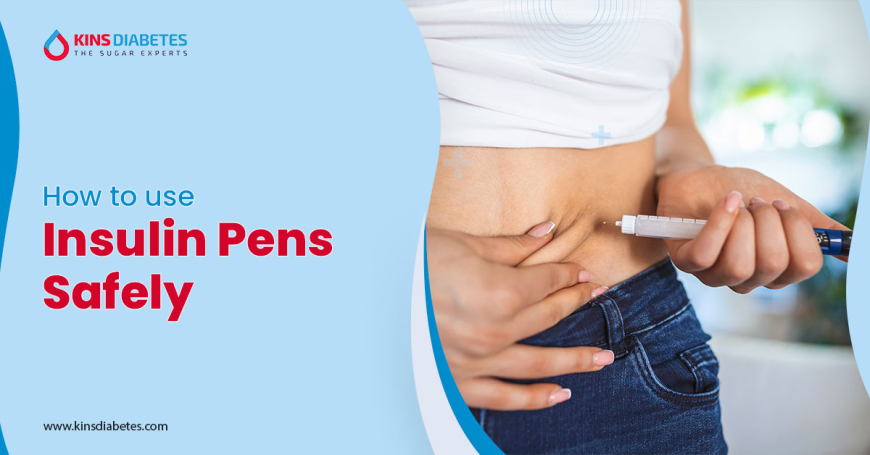
To inject, pinch a small fold of skin at the chosen site if needed. Insert the needle at a 90-degree angle for most adults. Slowly push the plunger all the way down to deliver the insulin under the skin.
Hold the needle in place for 5–10 seconds to ensure the full dose goes in, then remove the needle carefully. Proper injection technique ensures that insulin is absorbed effectively and prevents leakage. Doing it too fast or at the wrong angle can make injections less effective or more painful.
Throw Needles Away the Safe Way
After injection, never reuse needles. Place them in a sharps container or a strong, puncture-proof bottle. Do not throw needles in regular trash because they can injure others or spread infections.
Safe disposal protects you, your family, and the community from accidental injuries. Proper needle disposal is as important as using the insulin correctly.
How to Keep Your Insulin Safe and Effective
Insulin should be kept in a cool place, usually a refrigerator. Do not freeze it. Once a pen is opened, follow the instructions for how long it can be kept at room temperature.
Proper storage keeps insulin effective. Using insulin that is too old or stored incorrectly can make it less effective, causing blood sugar to rise. Checking storage instructions every time ensures that your medicine works the way it should.
Mistakes People Make and How to Avoid Them
People often make mistakes without realizing it. Using a blunt or reused needle, skipping priming, injecting into the same spot repeatedly, or not washing hands are common errors. Some may use the wrong insulin or dose.
Avoid rushing. Take a few extra seconds to prepare and inject properly. Small steps like these prevent complications, make insulin more effective, and reduce pain. Learning the correct steps early saves a lot of trouble later.
How to Make Injections Less Painful
Insulin pens are almost painless if used correctly. Using a new needle, choosing soft areas with more fat, and holding the skin gently helps. Relaxing your muscles and breathing slowly during the injection also reduces discomfort.
Pain-free injections make it easier to stick to your insulin schedule. The less painful the injections, the more likely you are to take insulin consistently, which is very important for sugar control.
How to Handle Mistakes Safely
If you inject too much or too little insulin by accident, don’t panic. Check your blood sugar regularly and follow your doctor’s advice. If sugar drops too low, take glucose or sugary food immediately. If it rises too high, follow the correction plan provided by your doctor.
Mistakes are common when starting insulin, but learning from them helps you gain confidence. The key is to know how to act quickly and safely.
Signs When to Talk to Your Doctor
Talk to your doctor if you notice lumps, redness, bruising, or pain at injection sites. Also, if your blood sugar is unusual even after proper injections, seek guidance.
Doctors can show the correct needle length, injection technique, rotation of sites, and dose adjustments. Visiting the Best
can give hands-on training, answer questions, and make insulin use much safer and easier.
Simple Steps for First-Time Insulin Users
If you are new to insulin pens, start slowly. Practice with a pen filled with water first to get used to dialing doses, attaching needles, and injecting. Read the instructions carefully and don’t hesitate to ask your doctor or diabetes educator to show you in person.
Starting carefully builds confidence. After some practice, using insulin pens becomes fast, simple, and routine. You will feel more comfortable and in control of your diabetes management.