How to Stop Overcooking on the BBQ?
In this guide, we’ll walk through exactly how to stop overcooking on the BBQ.
 sunshinebbqs
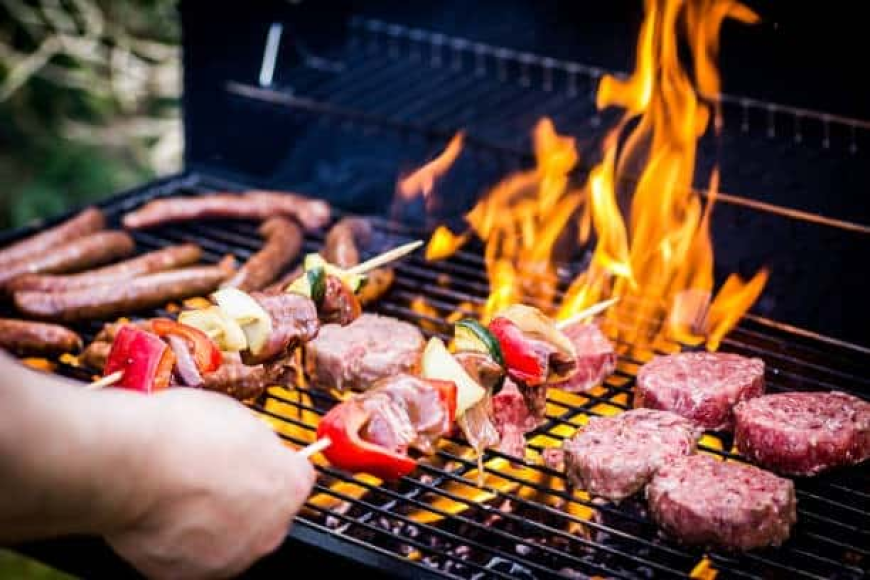
There’s nothing worse than biting into what should be a juicy grilled steak or skewer-only to find it dry, stringy, and overcooked. We’ve all been there. You’re chatting with guests, enjoying a beer, watching the smoke rise, and then boom-your perfect BBQ moment is ruined by something that tastes like it’s been on the fire since last weekend.
Overcooking is one of the biggest mistakes even experienced grillers make. It sneaks up on you, especially when you’re using high heat or don’t know your grill’s sweet spots. Whether you’re firing up a massive large charcoal BBQ, experimenting with a traditional Cypriot bbq setup, or hosting family on a classic Cyprus BBQ rotisserie, the goal is always the same-get that meat cooked through without turning it to cardboard.
In this guide, we’ll walk through exactly how to stop overcooking on the BBQ. It’s not just about timing. It’s about heat zones, knowing your meat, and understanding your grill like it’s your best mate.
Why Overcooking Happens (Even When You Think You’re Doing It Right)
Before we fix it, let’s break down why it happens.
-
High heat panic – You go full blast with the coals or flames, thinking the faster it cooks, the better. But the outside chars before the inside catches up.
-
Guessing instead of checking – “Hmm, that chicken looks done…” Famous last words before biting into a dry-as-dust thigh.
-
Ignoring rest time – You yank the meat off and serve immediately. But resting is part of cooking-skip it, and juices don’t settle.
-
Too many flips, not enough strategy – Constant turning doesn’t help if the heat is uneven or your grill setup isn’t optimised.
Let’s fix that.
1. Understand Your BBQ Setup
Different BBQs cook differently. And if you’re using charcoal or wood, the heat distribution changes even during a cook. Knowing your setup is step one to mastering doneness.
Large Charcoal BBQ: Control is Key
With a large charcoal BBQ, your biggest advantage is space. You’re not restricted to one heat level-you can create heat zones.
-
Direct zone – Pile your coals high on one side. That’s your searing station.
-
Indirect zone – Leave the other side coal-free. It still gets heat, but it’s gentler-perfect for finishing chicken, sausages, or thicker cuts.
Once your meat gets a good char, move it to the cooler side and let it finish slowly. This trick alone stops about 80% of overcooking disasters.
Cypriot BBQ: Rotisserie Knows Best
A Cypriot bbq isn’t just visually awesome-it’s a practical marvel. The slow-rotating skewers over hot coals mean the meat cooks evenly and stays moist. But even here, overcooking can sneak in if your coals are too close or you leave smaller pieces rotating for too long.
Key tip: Height control. A good Cyprus BBQ setup lets you adjust the height of your skewers. Start closer to the coals for a bit of sear, then raise the meat to finish gently. This avoids both charring and drying.
Also, don’t overload the skewers. Give each chunk of meat space so heat can circulate, especially when doing traditional souvla or kebab-style grilling.
Cyprus BBQ with Grates: Know the Hot Spots
If you're using a Cyprus BBQ fitted with metal grates rather than rotisseries, you’ll need to manage heat manually. These setups often burn hotter than gas BBQs, so it’s even more crucial to move things around.
Use the grate edges for gentler heat. You don’t want your chicken breast or halloumi going nuclear in the middle of the grill.
2. Use a Thermometer (Seriously)
This isn’t a chef-only move. A meat thermometer is the easiest way to stop guessing and start knowing when your meat is done.
Here’s a cheat sheet for internal temps:
-
Chicken (breast): 74°C
-
Chicken (thighs): 80-82°C
-
Pork: 70°C
-
Beef (medium rare): 57-60°C
-
Lamb: 62-70°C depending on preference
-
Sausages: 70°C
Stick it in the thickest part of the meat. Don’t touch the bone. And don’t be afraid to check more than once.
3. Rest Time Isn’t Optional
Resting meat isn’t just something chefs say to sound fancy. It matters. When you take meat off the BBQ, it's still cooking. If you cut too soon, the juices spill out and you end up with dry meat.
General rule:
-
Steaks: Rest 5 minutes
-
Chicken or pork: Rest 8-10 minutes
-
Large cuts or whole chickens: 15-20 minutes, loosely tented in foil
If you’ve ever wondered why your grilled chicken breast always tastes dry even though you thought you nailed the timing-skipping rest is probably the reason.
4. Flip Smart, Not Often
You don’t need to flip meat every 30 seconds. In fact, constant flipping often leads to uneven cooking. Let the heat do its thing.
Use this rhythm:
-
For steaks or chops: Flip once halfway through
-
For chicken: Flip once the first side has grill marks and releases easily
-
For skewers on a Cypriot bbq: Let them rotate or turn slowly, don’t rush it
Also, avoid poking the meat. Every stab with a fork is a lost drop of juice. Use tongs or a spatula instead.
5. Choose the Right Cuts for the Right Cook
Some meats are more forgiving than others. If you’re just getting used to your large charcoal BBQ or trying out a Cyprus BBQ for the first time, skip ultra-lean cuts like chicken breast or thin steaks.
Instead, go for:
-
Chicken thighs (juicier, harder to overcook)
-
Pork shoulder chunks (great on skewers)
-
Sausages (easy to manage over indirect heat)
-
Lamb cubes (ideal for souvla-style skewers)
Once you're confident, you can go for trickier cuts like beef fillet or bone-in chicken breast.
6. Keep the Lid On (Sometimes)
Using a BBQ lid turns your grill into an oven. This is especially useful on a large charcoal BBQ where you want steady heat without open flames.
Closing the lid:
-
Helps larger cuts cook through without burning
-
Traps heat and smoke for extra flavour
-
Reduces flare-ups from dripping fat
But don’t walk away for too long. Always check the temp and peek in after a few minutes-especially if you're using a lot of charcoal.
7. Stay Present
Sounds obvious, but it’s easy to get distracted. One story, one drink, one run inside to grab napkins-and suddenly, your lamb skewers are overcooked.
BBQing requires presence. Once you learn to trust the process, use your tools, and understand your grill, it becomes way less stressful. And once you stop overcooking, everything else just falls into place-juicy cuts, impressed guests, and leftovers that don’t feel like rubber.
Extra Tips & BBQ Myths to Ditch
-
Myth: "If it's not black, it's not BBQ." Nope. Black usually means burnt. Aim for golden brown with a nice crust.
-
Myth: "Keep flipping until it’s done." Again, no. Flipping too much can ruin the sear and dry things out.
-
Tip: Preheat properly. Let your grill or Cyprus BBQ get to temp before throwing anything on. Meat + cold grill = disaster.
-
Tip: Always oil your grates before cooking. It helps prevent sticking and ripping the skin off your chicken.
Closing Remarks
Overcooking on the BBQ doesn’t have to be your signature move. Whether you’re managing a fiery large charcoal BBQ, rotating skewers over a Cypriot bbq, or cooking slowly on a classic Cyprus BBQ, the same rules apply-know your heat, trust the process, and don’t rush.
Your BBQ should be about juicy bites, golden skins, and that satisfying moment when someone goes, “How did you get this so perfect?”
Now you’ve got the tools. So next time you light up those coals, leave overcooked chicken in the past where it belongs.