How to Set Up a Gazebo Alone?
This guide is your go-to walkthrough for how to set up a gazebo alone, no extra hands needed, no stress involved, and no need to bribe a friend with pizza and beers.
 sunleisure
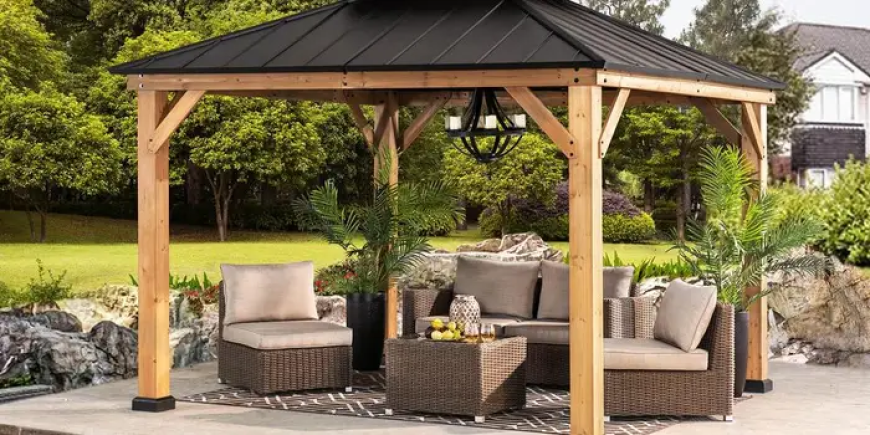
Ever tried setting up a gazebo all by yourself and ended up wrapped in fabric, tangled in legs, and emotionally defeated? Don’t worry – you’re not the only one. Whether you’ve just ordered a compact gazebo for garden chill-outs or you’re prepping a compact camping gazebo for a solo weekend away, the key is to do it smarter, not harder.
This guide is your go-to walkthrough for how to set up a gazebo alone, no extra hands needed, no stress involved, and no need to bribe a friend with pizza and beers.
Why Go Solo?
Sometimes, you just don’t have help around. Maybe you're setting up a stall at a market early in the morning, maybe your friends ditched you before a BBQ, or you’re that independent soul who likes doing everything solo. Luckily, if you’ve got a compact pop up gazebo or any of the other user-friendly models made for quick setups, it’s actually doable.
Step-by-Step Setup: Doing It Like a Pro
1. Unpack and Scout Your Spot
Start by choosing the right surface. Flat, even ground is your best friend. Setting up on slopes or rocky terrain? That’s only asking for trouble. Lay out your gazebo bag and get familiar with all parts: legs, frame, canopy, stakes, guy ropes – know your gear before diving in.
If you're using gazebos for patio setups or garden corners, make sure you clear the area of any debris, tools, or furniture to avoid damage during setup.
2. Loosen Up the Frame
With compact pop up gazebos, the trick is to open the frame slowly and diagonally. Grab two adjacent legs and pull out gently. Move from corner to corner, extending it halfway – enough for it to stand but still manageable for one person.
Keep your canopy nearby but don’t throw it on yet – trust the process.
3. Toss the Canopy Over (Literally)
Take the canopy and throw it over the top of the partially extended frame. If your model has velcro strips or corner ties, attach them loosely for now – tight connections can come later once the frame is fully expanded.
If you're using a compact camping gazebo with a pre-attached top, this step is even easier. Just pop and go.
4. Fully Extend the Frame
Now, this is where it gets real. Head back to those legs, and this time, lift slightly as you pull them farther apart. It helps to move in a circle, gradually opening it wider. You might have to walk around the structure a couple of times to get it fully opened – that’s normal.
Push up the center hub (if it has one) until it locks in place. You’ll feel the frame tighten up and stand tall. Victory is in sight.
5. Secure the Legs
Most compact gazebo models come with adjustable legs – just press the locking buttons and extend them one at a time. Use your foot to steady the base while raising each leg.
If you’re working with gazebos for garden use, where wind is less of an issue, stakes might be enough. But for patios or campsites, make sure to use weights or sandbags for serious stability.
6. Tie Everything Down Like You Mean It
This part often gets skipped – and that’s a rookie mistake. Use guy ropes and stakes to secure the gazebo. Even if the forecast says sunshine, a random breeze can turn your gazebo into a flying tent if it’s not anchored right.
For hard surfaces like patios, use water weights or weighted leg bags to lock it down. You can buy accessories designed just for compact pop up gazebos that are easy to carry and use solo.
Pro Tips for Solo Setup Success
-
Use corners for leverage: Always work diagonally across the gazebo, not side-by-side. This gives you more control.
-
Don’t overtighten early: Keep ties and velcro loose until you’ve fully extended the frame.
-
Pack smart: After use, fold and roll the canopy neatly. It'll save time during your next setup.
-
Practice at home: Before taking your compact camping gazebo out into the wild, do a test run in your backyard. It helps, trust us.
Compact Gazebo Models Make It Easier
If you’re planning to set up a gazebo alone often, choosing the right model makes a huge difference. Compact gazebos are built for easy handling – lighter materials, simplified frames, and clever folding systems.
A compact gazebo can easily fit in your car, doesn’t need a wrestling match to unfold, and often comes with its own roller bag or backpack. It’s basically made for solo warriors.
For outdoor lovers, a compact camping gazebo is a solid upgrade from basic tents. It gives you sunshade, rain cover, and a breezy chill zone – all without the drama of traditional setups.
And for casual home use? Gazebos for patio hangouts or garden parties don’t need to be huge or heavy-duty. Go for something lightweight and sleek, but still weather-resistant. Bonus points if it looks good in your Insta pics.
When to Ask for Help (Yes, It’s Okay)
Alright, real talk: there are times when solo setup just isn’t worth the backache. If you're dealing with large gazebos meant for full family coverage or events, call in backup. It’s safer, faster, and less frustrating.
But if your setup involves a compact pop up gazebo or a smaller patio shelter? You got this.
Final Thoughts
Setting up a gazebo alone might feel intimidating at first, but once you’ve done it a few times, it becomes second nature. Especially with compact gazebo designs that are built with one-person setups in mind, you don’t need a full crew to make your space come alive.
So next time you’re prepping for a garden brunch, patio hangout, or solo camping adventure – remember this guide, take it step-by-step, and flex your DIY energy. Your future self (and back) will thank you.