How to Manage Shortness of Breath After Food: Expert Tips
 johnwick21
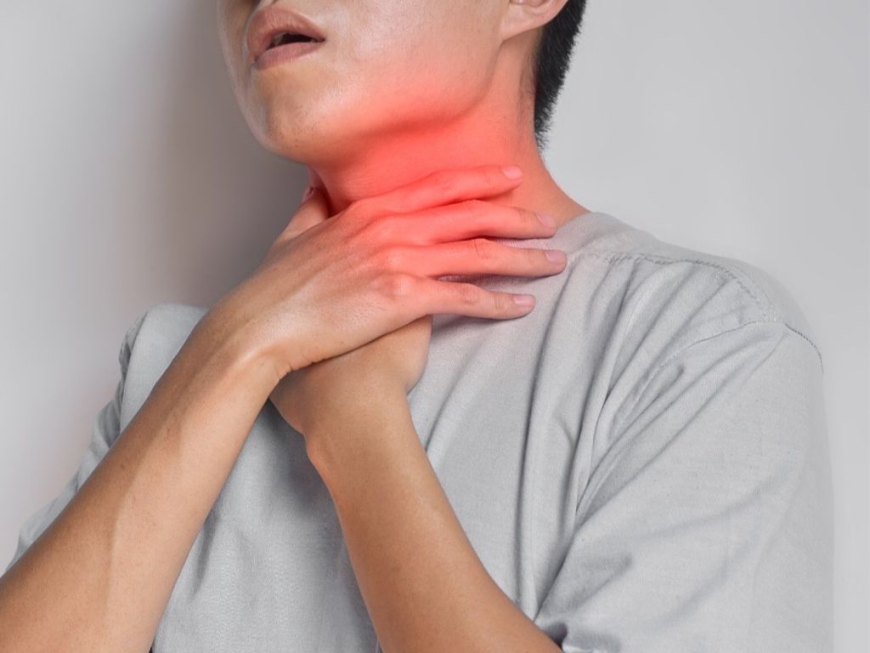
Shortness of breath after food is a common yet concerning issue that affects many people. It can occur for a variety of reasons, ranging from indigestion to more serious underlying health conditions. If you experience difficulty breathing after eating, it's essential to understand the potential causes and how to manage this symptom effectively. In this article, we will explore various strategies to reduce shortness of breath after meals and improve your overall health.
Understanding Shortness of Breath After Food
Shortness of breath, also known as dyspnea, is the sensation of not being able to catch your breath, feeling winded, or struggling to breathe comfortably. When this happens after eating, it can be particularly distressing, as food is essential for nourishment, and you should not feel uncomfortable afterward.
Several factors contribute to shortness of breath after food. For some individuals, it may be related to digestive issues, such as acid reflux, gastritis, or bloating. When food enters the stomach, it can sometimes create pressure on the diaphragm, which may affect your ability to breathe freely. Other possible causes include food allergies, asthma, or even anxiety.
Possible Causes of Shortness of Breath After Eating
-
Acid Reflux or GERD
One of the most common causes of shortness of breath after eating is gastroesophageal reflux disease (GERD) or acid reflux. When stomach acid rises into the esophagus, it can cause symptoms such as heartburn, chest tightness, and shortness of breath. The acid can also irritate the airways, making it more difficult to breathe. -
Food Sensitivities and Allergies
Food allergies or sensitivities to certain ingredients such as dairy, gluten, or nuts may cause a range of symptoms, including shortness of breath. When the body reacts to an allergen, it triggers inflammation, which can restrict airflow and make it harder to breathe. -
Overeating or Large Meals
Eating large meals or overeating can lead to a sense of fullness and bloating. This can put pressure on the diaphragm and cause difficulty breathing. Overeating can also increase the workload on your digestive system, leading to discomfort and shortness of breath. -
Asthma or Other Respiratory Conditions
For people with asthma or other respiratory conditions, eating certain foods may trigger an asthma attack or worsen symptoms. This is particularly true for foods that can cause an allergic reaction or irritate the airways, such as spicy foods, dairy, or acidic foods. -
Anxiety and Stress
Anxiety and stress can also lead to shortness of breath after eating. The body’s stress response can affect the autonomic nervous system, causing physical symptoms such as tightness in the chest and difficulty breathing. Some individuals may also experience a feeling of breathlessness when they are nervous about a meal or an event.
How to Manage Shortness of Breath After Food
If you're experiencing shortness of breath after meals, it’s important to take the necessary steps to manage this issue. While the underlying causes can vary, there are effective strategies to alleviate symptoms and improve overall well-being.
1. Eat Smaller, More Frequent Meals
One of the simplest ways to reduce the chances of experiencing shortness of breath after eating is to eat smaller, more frequent meals throughout the day. This helps prevent overeating, which can put pressure on the diaphragm and cause difficulty breathing. Instead of three large meals, aim for five or six smaller meals that are easier to digest.
2. Avoid Trigger Foods
Certain foods can exacerbate shortness of breath, particularly if you have food allergies or sensitivities. It’s essential to identify and avoid trigger foods, which may include dairy, gluten, nuts, or spicy foods. Keep track of what you eat and how it affects your breathing, and consult a healthcare professional if you suspect food allergies or intolerances.
3. Improve Digestion with Proper Hydration
Drinking plenty of water before, during, and after meals can help with digestion and reduce the likelihood of bloating. Proper hydration ensures that the digestive system works efficiently, preventing constipation and reducing abdominal discomfort. However, avoid drinking too much water during meals, as it can cause bloating and discomfort.
4. Focus on Health and Wellness
A key part of managing shortness of breath after food is focusing on overall health and wellness. Regular physical activity helps strengthen the respiratory system and improves lung function. Engaging in deep breathing exercises or yoga can also be beneficial for reducing stress and anxiety, both of which may contribute to breathlessness after eating.
5. Practice Deep Breathing Techniques
Deep breathing exercises can help manage shortness of breath. By practicing slow, controlled breathing, you can reduce anxiety and improve lung function. Focus on taking deep breaths through your nose, expanding your diaphragm, and exhaling slowly through your mouth. This will help calm your nervous system and alleviate breathlessness.
6. Elevate the Head After Eating
If acid reflux or GERD is contributing to your shortness of breath after meals, consider elevating your head while sleeping. Using extra pillows or adjusting your bed frame to keep your head elevated by about 30 degrees can help reduce the chance of acid flowing back into the esophagus, improving both breathing and sleep quality.
7. Manage Stress and Anxiety
If anxiety is a contributing factor to your breathlessness, it’s essential to manage stress levels. Engage in activities that help reduce anxiety, such as meditation, mindfulness, or journaling. If you find that anxiety is a recurring issue, consider speaking to a therapist or counselor who can help you develop strategies to cope with stress.
8. Consult a Healthcare Professional
If shortness of breath after food persists or worsens, it is crucial to consult a healthcare professional. They can help diagnose any underlying conditions such as GERD, asthma, or allergies, and develop a personalized treatment plan. A doctor may recommend medications, lifestyle changes, or additional testing to determine the root cause of the symptoms.
When to Seek Medical Attention
While shortness of breath after food is often harmless, it can sometimes signal more serious health issues. If you experience any of the following symptoms, seek medical attention immediately:
-
Severe difficulty breathing or wheezing
-
Chest pain or tightness
-
Swelling in the legs, feet, or abdomen
-
Chronic coughing or wheezing
-
Dizziness, lightheadedness, or fainting
These symptoms could be signs of an underlying medical condition that requires prompt treatment.
Conclusion
Shortness of breath after food can be a troubling experience, but it is often manageable with the right strategies. By eating smaller meals, avoiding trigger foods, staying hydrated, and focusing on overall health and wellness, you can reduce symptoms and improve your quality of life. Additionally, if you experience persistent or severe symptoms, it’s important to consult a healthcare professional to rule out any underlying conditions. Managing shortness of breath and maintaining a healthy lifestyle will allow you to enjoy your meals without discomfort and support your long-term health.