The Rise of Promotional Vape Holders in Modern Marketing
The rise of promotional vape holders exemplifies the evolution of modern marketing. Moving beyond conventional merchandise, these accessories combine utility, style, and visibility to engage consumers in meaningful ways.
 Addisonjons
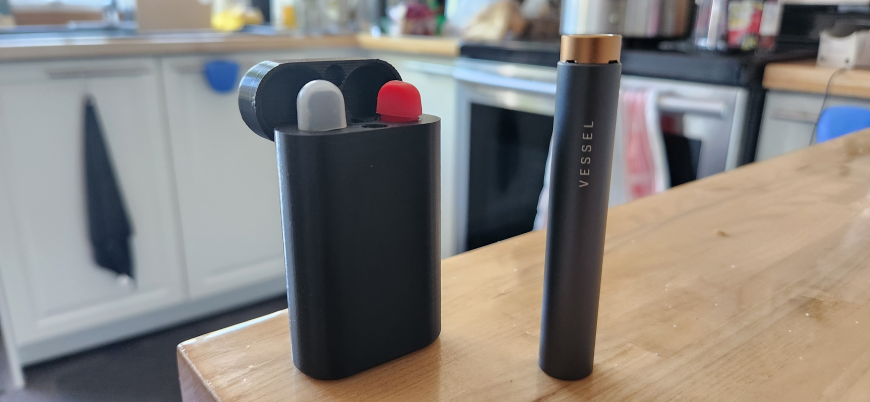
Marketing strategies have evolved dramatically, embracing new technologies, lifestyle trends, and cultural shifts to engage consumers more effectively. One particularly notable trend is the rise of promotional vape holders as marketing tools.
While traditional promotional items such as branded pens, keychains, and tote bags have long been staples in corporate marketing, the emergence of vape culture has opened new avenues for brand engagement, particularly among young adult demographics.
Vape holders, once simply functional accessories for personal vaping, have now become a canvas for creative marketing campaigns, bridging lifestyle branding, product placement, and consumer experience.
Understanding the Vape Market
Before exploring the marketing potential of vape holders, it is important to understand the context of the vaping industry itself. Vaping, the inhalation of vapor produced by electronic cigarettes or similar devices, has grown exponentially since its introduction in the mid-2000s.
Market research indicates that the global vape market is projected to reach over $90 billion by 2027, driven by increased consumer interest in alternatives to traditional tobacco products and the expanding variety of flavors and devices available.
Vape holders—also known as vape cases, sleeves, or lanyards- serve multiple functions. They protect the device, enhance portability, and in some cases, act as a fashion statement. With their increased visibility, these accessories have naturally become a prime branding opportunity.
Companies quickly realized that providing consumers with custom-branded vape holders not only adds value but also turns everyday devices into walking billboards for their brands.
Why Promotional Vape Holders Are Effective Marketing Tools
Promotional items are most effective when they combine utility with visibility. Vape holders fulfill both criteria. Unlike disposable marketing items, a high-quality vape holder is likely to be used regularly, potentially daily, providing continuous exposure for the brand. Furthermore, vape culture emphasizes personalization and style, meaning consumers are more likely to display their devices publicly.
This creates a form of peer-to-peer marketing, as branded vape holders are noticed in social settings, at work, or online, particularly on platforms such as Instagram, TikTok, and YouTube.
From a psychological perspective, promotional vape holders also tap into the principles of reciprocity and identity. When a company provides a stylish, useful accessory for free or at a discount, consumers feel a sense of appreciation that fosters brand loyalty.
Additionally, since vaping has become a lifestyle choice for many, branded accessories allow individuals to express their identity while simultaneously promoting the brand, creating a mutually beneficial marketing dynamic.
Integration into Lifestyle and Experiential Marketing
Modern marketing increasingly prioritizes experiential and lifestyle-based strategies over traditional product-centered approaches. In this framework, the goal is not merely to sell a product but to associate it with a desirable lifestyle, community, or set of values. Promotional vape holders fit perfectly into this model.
Brands often collaborate with artists, influencers, or event organizers to create limited-edition vape holders that reflect current trends or cultural moments. For example, music festivals, gaming conventions, and urban lifestyle events often feature custom-branded vape holders as part of their promotional packages. Recipients are likely to use and display these items during the event and beyond, extending the campaign’s reach organically.
Moreover, vape holders are often designed to be visually striking or customizable, which encourages sharing on social media. Branded accessories that resonate aesthetically with consumers are more likely to appear in user-generated content, providing organic marketing amplification. In this sense, vape holders not only promote the brand but also actively participate in the creation of brand-related content, making them an integral component of modern experiential marketing campaigns.
Environmental Considerations and Consumer Perception
As with all promotional items, marketers must consider sustainability. The environmental impact of single-use plastics and mass-produced accessories has become a growing concern, particularly among younger demographics.
Brands that incorporate eco-friendly materials in their vape holders, such as biodegradable plastics, recycled metals, or sustainable fabrics, can enhance their marketing appeal. This not only aligns with consumer values but also positions the brand as socially responsible, a critical factor in building trust and long-term loyalty.
Transparency in sourcing and production is increasingly influential in consumer decision-making. Vape holders that are sustainably produced, ethically sourced, and designed for durability convey a message that goes beyond mere functionality—they represent a brand’s commitment to ethical practices. Companies that leverage this approach in their marketing campaigns often see enhanced engagement and positive brand perception.
Regulatory and Ethical Challenges
Despite their effectiveness, promotional vape holders come with regulatory and ethical challenges. In many countries, advertising tobacco-related products—including vaping devices—is heavily restricted. This includes bans on direct advertising to minors and limitations on the use of promotional items. Brands must navigate these regulations carefully to avoid legal repercussions while still maintaining the effectiveness of their campaigns.
Ethical considerations are also paramount. Critics argue that marketing vaping accessories, especially to younger audiences, may indirectly encourage nicotine use. Responsible brands often focus their promotional campaigns on adult consumers, highlighting the lifestyle and fashion aspects of vaping accessories rather than the act of consuming nicotine itself. Transparency about age restrictions and responsible use can mitigate ethical concerns while preserving marketing impact.
The Future of Vape Holder Marketing
Looking ahead, the role of vape holders in modern marketing is likely to expand further, particularly as personalization and technology integration become more prominent. Customization options, such as color choices, patterns, engraved logos, and modular designs, allow brands to offer highly personalized promotional items that resonate deeply with consumers.
Additionally, some vape holders are being developed with smart technology integration, such as Bluetooth connectivity or battery indicators, enhancing both their functionality and their potential as marketing tools.
Brands may also increasingly integrate augmented reality (AR) experiences into promotional vape. Imagine scanning a QR code on a vape holder to unlock exclusive content, discounts, or interactive experiences. This fusion of physical and digital marketing exemplifies the modern emphasis on multi-channel engagement, turning a simple accessory into an immersive brand touchpoint.
Conclusion
The rise of promotional vape holders exemplifies the evolution of modern marketing. Moving beyond conventional merchandise, these accessories combine utility, style, and visibility to engage consumers in meaningful ways. By aligning with lifestyle trends, leveraging social sharing, and embracing sustainability, brands can transform a simple vape holder into a powerful marketing asset.