Feeding a cockatoo is not just about filling a bowl it’s about supporting long-term health, behavior, and happiness. These intelligent, social parrots have specific nutritional needs that, when met properly, can help prevent obesity, feather problems, and common illnesses. This guide is designed to help bird owners understand and implement a Healthy Cockatoo Diet using practical, everyday steps that are easy to follow and sustainable over time.
Understanding the Nutritional Needs of Cockatoos
Cockatoos are active parrots with high energy demands and sensitive digestive systems. In the wild, they eat a wide range of foods including seeds, nuts, fruits, blossoms, roots, and insects. At home, replicating that variety in a safe and balanced way is essential.
A Healthy Cockatoo Diet must provide the right balance of proteins, carbohydrates, fats, vitamins, and minerals. Calcium and vitamin A are especially important for bone strength, feather quality, and immune health. Diets that are too high in fat or too limited in variety often lead to health issues such as fatty liver disease and nutrient deficiencies.
Why a Balanced Diet Matters for Cockatoo Health
In captivity, cockatoos rely entirely on their owners for nutrition. This makes diet one of the most important factors in their overall well-being. A poor feeding routine can shorten lifespan, affect mood, and increase veterinary visits.
A balanced Healthy Cockatoo Diet supports strong immunity, stable energy levels, and healthy feathers. Many avian veterinarians, including professionals associated with Park Hills Animal Hospital, emphasize that proper nutrition is one of the easiest ways to prevent avoidable health problems in parrots.
Pellets as the Foundation of a Healthy Diet
High-quality commercial pellets should make up about 60–70% of your cockatoo’s daily food intake. Pellets are formulated to provide consistent nutrition and help prevent selective eating habits.
When choosing pellets, look for brands made specifically for cockatoos or large parrots, with no artificial colors or excessive sugars. Pellets help ensure your bird receives essential nutrients every day, making them a cornerstone of a Healthy Cockatoo Diet.
Introduce pellets gradually if your cockatoo is used to seeds. Slow transitions reduce stress and encourage acceptance.
Fresh Fruits and Vegetables: Daily Essentials
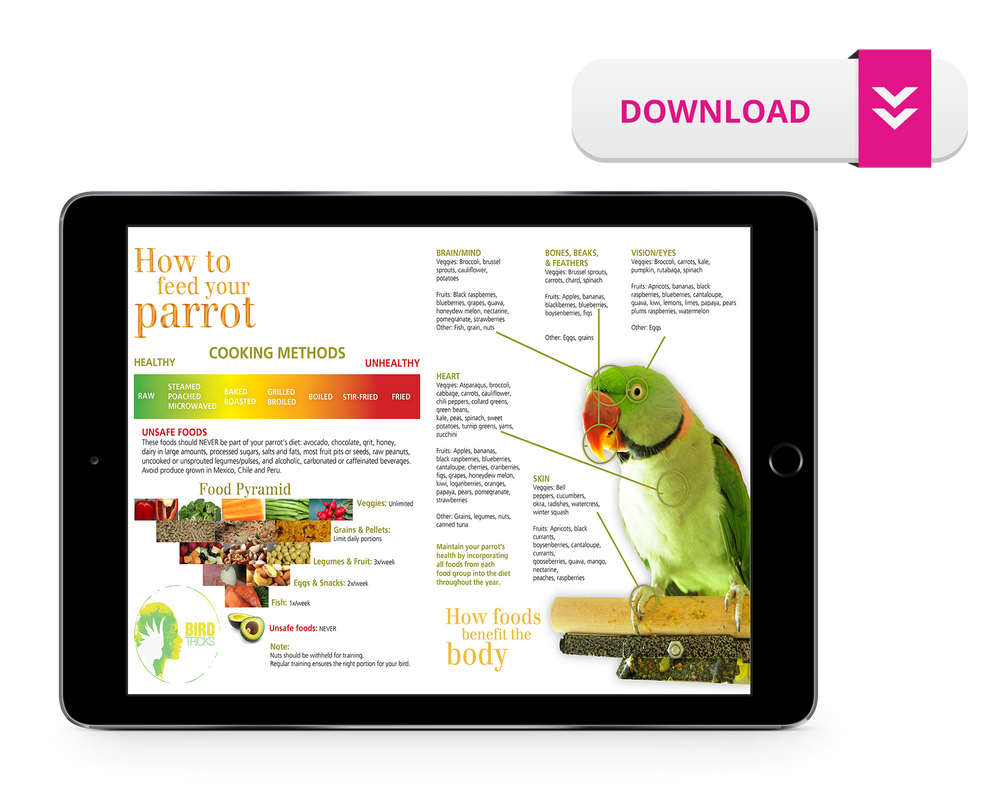
Fresh produce adds vitamins, minerals, hydration, and enrichment to your bird’s meals. Offer a variety of vegetables daily, such as leafy greens, carrots, bell peppers, squash, and broccoli.
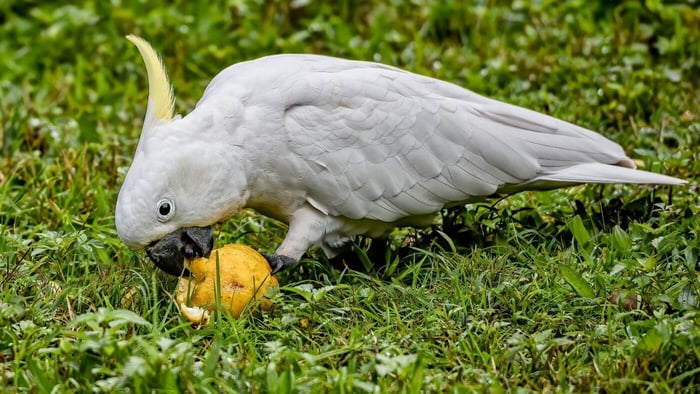
Fruits like apples, berries, mango, and papaya can be offered in moderation due to their natural sugar content. Washing produce thoroughly and cutting it into bird-safe sizes is important.
Including fresh foods keeps a Healthy Cockatoo Diet interesting and prevents boredom, which can lead to behavioral problems like feather plucking.
Seeds, Nuts, and Treats: How Much Is Too Much?
Seeds and nuts are often a favorite for cockatoos, but they should be treated as supplements rather than staples. These foods are high in fat and can quickly lead to weight gain if overfed.
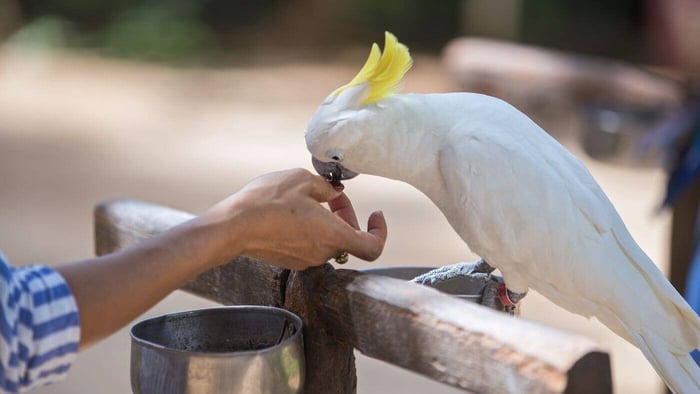
Use seeds and nuts as training rewards or occasional treats. Almonds, walnuts, and sunflower seeds can be offered sparingly. Keeping treats limited helps maintain a Healthy Cockatoo Diet while still allowing your bird to enjoy variety.
Foods to Avoid for Cockatoo Safety
Some human foods are dangerous or toxic to cockatoos and should never be offered. These include chocolate, avocado, caffeine, alcohol, onions, garlic, and foods high in salt or sugar.
Processed foods and fried items should also be avoided. Even small amounts of toxic foods can cause serious health issues. Knowing what not to feed is just as important as knowing what to include in a Healthy Cockatoo Diet.
Feeding Schedule and Portion Control
Cockatoos thrive on routine. Offering meals at consistent times each day helps regulate digestion and behavior. Most owners find success with two main meals—morning and evening—along with small healthy snacks.
Remove uneaten fresh food after a few hours to prevent spoilage. Portion control is key; overfeeding can be just as harmful as underfeeding. Monitoring weight regularly helps ensure your Healthy Cockatoo Diet is properly balanced.
Long-Term Tips for Maintaining a Healthy Cockatoo Diet
Dietary needs can change with age, activity level, and health status. Regular veterinary checkups and observation at home help you adjust feeding as needed. Watch for changes in appetite, droppings, feather condition, or behavior.
Rotate foods to maintain interest and nutrition, and continue learning about avian care. With consistency and attention, a Healthy Cockatoo Diet becomes a natural part of daily care—supporting a longer, happier life for your feathered companion.
Final Thoughts
Feeding your cockatoo right is one of the most impactful decisions you can make as a bird owner. By focusing on balance, variety, and routine, you create a strong nutritional foundation that supports physical health and emotional well-being. A thoughtfully planned Healthy Cockatoo Diet is not complicated—it simply requires knowledge, consistency, and care.

 Jonsmakal