How to Maintain Your HVAC System for Optimal Performance
Your HVAC system keeps you comfortable all year. But without regular care, it won’t work well. You might see higher bills or even a breakdown when you need it most. Here is a simple guide on how to maintain your HVAC system for the best performance.
 jisan
jisan
Why HVAC Maintenance Is Important
Think of your HVAC like your car. If you don’t do maintenance hvac tasks like changing the filter or checking the system, problems will come up. The same goes for your heating and cooling system.
Regular maintenance helps:
Lower your energy bills
Keep your indoor air clean
Extend the life of your system
Avoid sudden breakdowns
Keep your home or office comfortable
A little care now saves you from big repair bills later.
Change Your Filters Regularly
This is the easiest and most important step. Your HVAC filter catches dust, dirt, and allergens. But over time, it gets full. A dirty filter makes your system work harder. This means higher energy use and poor air quality.
Tip: Change your filter every 1-3 months. If you have pets or allergies, check it more often.
Clean Around Your Unit
Go outside and look at your AC unit. Are there leaves, grass, or dirt around it? Clear them away. Make sure there’s at least two feet of clear space around your unit. This helps airflow and keeps your system working smoothly.
Inside, check your vents. Make sure nothing is blocking them. Move furniture or curtains if needed.
Check Your Thermostat
Your thermostat controls your heating and cooling. If it’s not working right, your whole system suffers.
Try these simple checks:
Make sure it’s set to the right mode (heat or cool)
Change the batteries if it’s not hardwired
Consider getting a smart thermostat to save energy automatically
Schedule Professional Maintenance
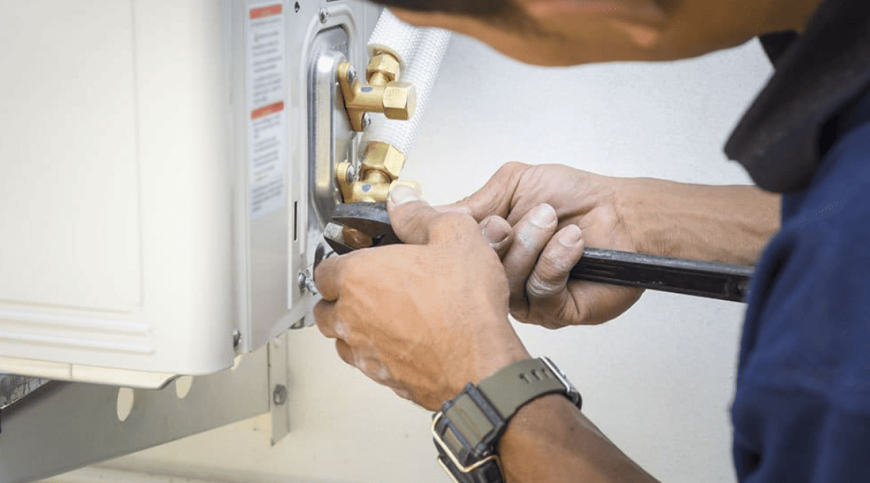
Some tasks are best left to professionals. At least once a year, call an HVAC technician for a tune-up. They will:
Check refrigerant levels
Clean coils and parts
Test electrical connections
Make sure everything is safe and efficient
Doing this before summer and winter seasons is smart. It helps avoid surprises during extreme temperatures.
Keep Your Coils Clean
Your AC has evaporator and condenser coils. Dirt builds up on them over time. Dirty coils reduce airflow and make your system work harder.
A professional will clean them during maintenance. But you can help by keeping the area around your outdoor unit clean and trimming plants back.
Check Your Drain Line
Your AC pulls moisture from the air. This water goes out through a drain line. Sometimes, the line gets clogged with dirt or algae. When this happens, water can back up into your home.
To keep it clear:
Find your drain line (usually a small PVC pipe)
Pour a cup of vinegar down the line every few months
This helps prevent clogs and keeps the line clear.
Listen for Strange Sounds
When your system turns on, listen. Is there any banging, rattling, or grinding sound? These noises mean something might be loose or broken.
Don’t ignore them. Call a technician before the problem gets worse and costs more to fix.
Watch Your Energy Bills
If your bill suddenly goes up, your HVAC might not be working well. Dirty filters, leaks, or failing parts make your system work harder. Regular maintenance prevents these problems and keeps your bills under control.
Seal Your Ducts
Leaky ducts waste energy. You pay to heat or cool air that never reaches your rooms. A professional can check and seal your ducts. This will improve comfort and reduce your bills.
Replace When Needed
HVAC systems don’t last forever. Most last 10-15 years. If your system is old and needs constant repairs, replacing it might save you money in the long run. Newer systems are more energy-efficient and reliable.
Benefits of Regular HVAC Maintenance
Here’s why maintenance matters:
Better airflow
Cleaner air for your family or staff
Fewer emergency repairs
Longer lifespan for your unit
Peace of mind knowing your system is safe
Maintenance is not just about comfort. It’s about safety and saving money.
Simple DIY Checks Each Month
Look at your filter. Replace if dirty.
Check your thermostat. Make sure settings are correct.
Inspect vents and registers. Remove any blockages.
Look at the outdoor unit. Clear away leaves and dirt.
Listen for odd sounds. Call for help if needed.
These quick checks take only a few minutes but keep your system running smoothly.
When to Call a Professional
Call a licensed HVAC technician if:
Your system isn’t heating or cooling properly
You hear strange noises
You smell burning or moldy odors
Your energy bills spike suddenly
Your system is over 10 years old and breaking down often
Professionals have tools and skills to find and fix problems before they become big.
FAQs
Q. How often should I change my HVAC filter?
A. You should change your filter every 1-3 months. Check it monthly to see if it’s dirty.
Q. When is the best time for HVAC maintenance?
A. Spring and fall are the best times. Your system will be ready for summer heat or winter cold.
Q. Can I clean my HVAC coils myself?
A. You can gently clean around them, but it’s better to have a professional clean the coils to avoid damage.
Q. Why is my HVAC making a loud noise?
A. It could be a loose part, motor issue, or something stuck. Call a technician to check it as soon as possible.
Q. How long does an HVAC system last?
A. Most systems last 10-15 years with good maintenance. Without care, it may fail sooner.