How to Identify a Trusted Online Surgical Supply Store
Your practice deserves the best – choose Stellmacher Instruments Inc., your go-to online surgical supply store in the USA!
 intubationstylet
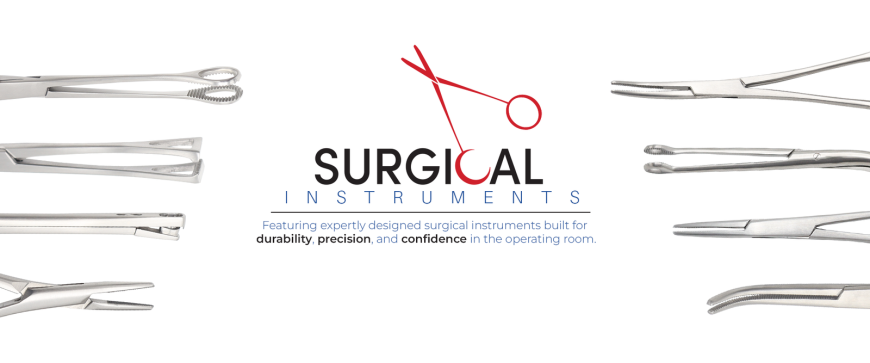
The demand for surgical supplies continues to grow as healthcare facilities seek efficient ways to maintain stock while managing costs. Online shopping has become a preferred solution for hospitals, clinics, and independent practices, offering convenience, variety, and competitive pricing.
However, the rise of e-commerce also brings risks—fake products, unreliable suppliers, and poor service can all jeopardize patient care. To avoid these pitfalls, healthcare providers must know how to identify a trusted online surgical supply store. The following detailed guide outlines the key factors to consider.
1. Check Certifications and Compliance:
The foundation of a reliable online surgical supply store lies in product compliance with healthcare standards. Always look for certifications such as FDA approval (United States), CE marking (Europe), or ISO standards (global quality management systems). These certifications guarantee that products meet strict safety, hygiene, and performance requirements.
A trusted supplier will highlight these certifications clearly on its website or product listings. If certifications are missing or vague, this may indicate counterfeit or unregulated products. For example, uncertified surgical gloves might tear easily, leading to increased infection risk. Therefore, verifying compliance ensures both patient safety and legal protection for your facility.
2. Evaluate Product Transparency:
Trusted suppliers emphasize transparency. Each product listing should provide detailed information such as brand, material composition, size, intended use, sterilization method, and shelf life. Some reputable suppliers also provide downloadable product specification sheets or certificates of analysis.
Transparency not only builds trust but also allows healthcare facilities to make informed choices. For instance, when buying sutures, details like needle type, thread length, and absorbability should be clearly listed. A store that fails to provide such essential details may be cutting corners or reselling poor-quality items.
3. Read Customer Reviews and Testimonials:
Customer reviews are one of the most powerful tools for evaluating an online store’s credibility. Genuine reviews—especially from healthcare professionals—can provide insights into product reliability, shipping speed, and customer service quality.
A trusted online surgical supply store will have mostly positive reviews with consistent praise for timely delivery, proper packaging, and reliable products. On the other hand, multiple complaints about defective items, unresponsive service, or delivery delays are red flags. For added security, check independent review platforms or professional forums instead of relying solely on testimonials hosted on the store’s website.
4. Review Website Credibility and Security:
A professional, secure website is another hallmark of a trusted supplier. Look for websites with “https” in the URL (indicating encrypted transactions), clearly listed contact information, and comprehensive terms and conditions.
A credible online store also includes details about company registration, physical address, and customer support. Be cautious of websites that lack transparency or only provide generic email addresses without a phone number or physical location. Additionally, a store offering secure payment options—such as credit cards or well-known payment gateways—demonstrates a stronger commitment to customer safety.
5. Assess Product Range and Brand Partnerships:
Reputable suppliers often stock a broad range of surgical supplies, from everyday disposables like gloves and masks to specialized instruments and sterilization equipment. They typically partner with established brands, which reflects credibility and quality assurance.
Checking whether a store is an authorized distributor of certain brands can also confirm legitimacy. For example, if a supplier lists well-known surgical instrument manufacturers such as Aesculap or Medline, verify on the manufacturer’s official website whether they are recognized distributors. A limited or inconsistent product range may signal that the store lacks industry partnerships or is reselling from unreliable sources.
6. Verify Return, Warranty, and Refund Policies:
Clear and fair policies for returns, refunds, and warranties are signs of a trustworthy supplier. Healthcare facilities cannot afford to lose money on defective or incorrect products, so it’s important to confirm that the supplier allows returns for damaged goods or order discrepancies.
Trusted suppliers often provide warranties for reusable surgical instruments, ensuring long-term value. For example, a quality supplier might offer a one-year warranty on stainless steel surgical scissors. If a store avoids discussing warranties or restricts returns excessively, it may not stand behind the products it sells.
7. Look for Customer Support and Responsiveness:
Excellent customer service sets reliable suppliers apart. A trusted online surgical supply store provides multiple communication channels—such as phone support, live chat, or email—and responds promptly to inquiries.
Good suppliers also assign dedicated account managers to healthcare facilities, offering personalized assistance for bulk orders or urgent requirements. Quick responses during emergencies, such as sudden shortages of surgical masks, can be critical for uninterrupted patient care. Conversely, slow or evasive communication is a strong warning sign.
8. Compare Pricing Without Compromising Quality:
While affordability is essential, extremely low prices may signal poor-quality or counterfeit products. A trusted supplier strikes a balance by offering competitive pricing aligned with industry standards.
When comparing prices, look beyond the base cost. Factor in shipping fees, bulk discounts, and hidden charges. For instance, a supplier offering slightly higher product prices but free shipping and bulk discounts may prove more cost-effective than a cheaper alternative with high delivery fees. Always remember that reliable and certified products protect patients, staff, and your facility’s reputation, making them worth the investment.
Conclusion:
Identifying a trusted online surgical supply store involves more than just comparing prices. Facilities must consider certifications, transparency, reviews, website credibility, brand partnerships, return policies, customer support, and fair pricing. By carefully evaluating these factors, healthcare providers can avoid the risks of unreliable suppliers and build long-term relationships with partners that prioritize safety, compliance, and efficiency.
Ultimately, trusted online suppliers are not just vendors—they are critical partners in delivering safe, effective, and uninterrupted patient care.