How to Choose The Best Kitchen Compost Bin for Apartments and Tiny Countertops
 robinkross
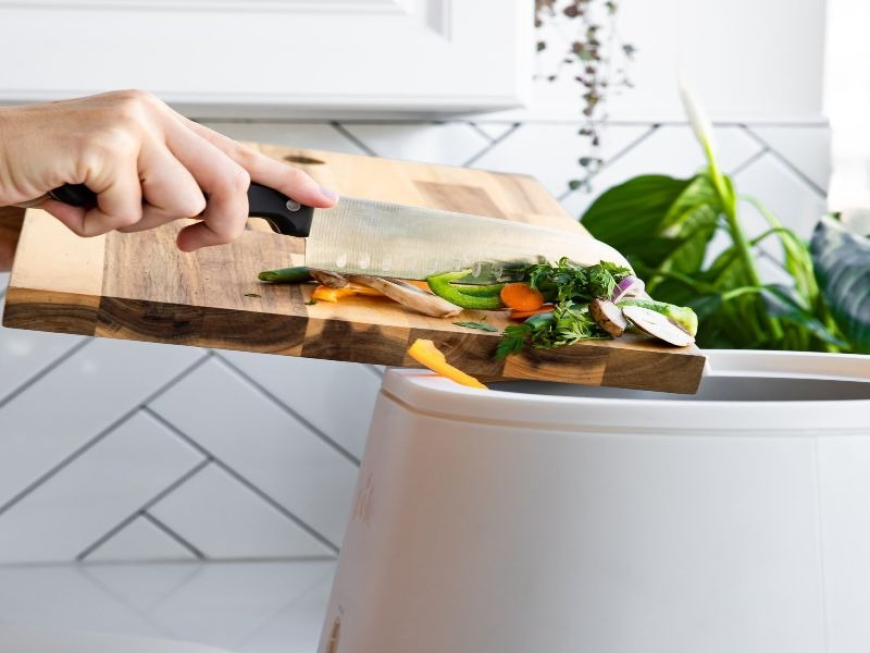
In a small kitchen, every inch of the counter is contested. The toaster, the kettle, the coffee maker, and the cutting board are already negotiating for room before you think about adding a kitchen compost bin. Successful kitchen composting in a tight space starts with picking a bin that disappears into the routine. The wrong one becomes the appliance you stop using because it's in the way.
Choosing well comes down to six specifications. Run any model you're considering through this checklist before you buy.
1. Footprint, in Real Measurements
Before reading a single review, pull out a tape measure. The slot available for a kitchen compost bin in most apartments is between 6 and 10 inches deep, 8 and 12 inches wide, and tall enough to clear under your upper cabinets, usually 14 to 18 inches if the bin sits directly on the counter.
Manufacturers list dimensions in different orders. Some count the lid in the open position. Some don't. Sketch your available space on a sticky note, write the bin's exact numbers next to it, and only then move on.
2. Capacity That Matches How You Cook
Volume is straightforward on paper and trickier in practice. Chamber size matters less than how often you actually fill it. A frequent home cook can generate 2 to 3 pounds of scraps a week. A couple who eats out generates half that. The right capacity sits slightly above the weekly average. A few useful ranges:
- 2 to 3 liters for one to two people who cook a few nights a week
- 3 to 4 liters for a busy single cook or a couple cooking most meals
- 4 to 5 liters for households of three or more
Oversizing tends to backfire. A half-full chamber takes longer to process and lets odors build between cycles.
3. Odor Control, Tested in Tight Quarters
Small kitchens open onto living rooms, bedrooms, and dining areas. There's no buffer zone for a smelly bin. Two technologies actually matter. Activated carbon filters trap volatile gases as scraps break down; good ones last 3 to 6 months, while cheap ones lose effectiveness within weeks. Sealed lids keep odors contained when the bin isn't in use, and a real gasket or rubber seal matters far more than aesthetic styling.
4. Noise Level for Open Floor Plans
In a studio or open-plan apartment, an appliance that runs for hours is one you'll hear. Electric kitchen compost bin units typically operate between 30 and 55 decibels. A whisper measures around 30. A normal conversation, around 60. Anything below 45 disappears into background noise. Anything above 50 becomes noticeable during quiet evenings. Check the spec sheet, not just the reviews.
5. Power Draw and Cord Reach
Electric models use 200 to 500 watts during operation. None of them will spike your electric bill, but the practical question for a small kitchen is outlet placement. A six-foot cord that has to run across a stovetop is a hazard. A bin that needs a specific outlet limits where you can put it. Measure cord length and outlet distance before ordering.
6. Refill Costs Over a Full Year
The sticker price is rarely the real price. A bin with $15 carbon filters needing replacement every two months runs about $90 a year in maintenance. A model with reusable filters or longer-lasting cartridges might cost a third of that. Microbe pods, where required, add another $30 to $60 annually.
Some brands lock buyers into proprietary refills with no third-party alternatives. Read the fine print carefully before the box arrives at your door. A composter that costs $400 upfront and $150 a year in proprietary refills costs more over five years than a $600 model with reusable filters.
The Practical Best Bet for Tight Counters
For most apartments, an electric kitchen compost bin in the 3 to 4 liter range, rated comfortably below 50 decibels, with a 6-month carbon filter and a 6-foot cord, hits the right balance. Measure first. Compare specs second. Decide third.
A bin that fits this profile makes kitchen composting a quiet, useful part of cooking. One that misses any of these specs ends up as a counter ornament you regret, usually within the first six weeks.