How Scribes Adapt to EHR Upgrades in Emergency Settings
 joshuawilsonus
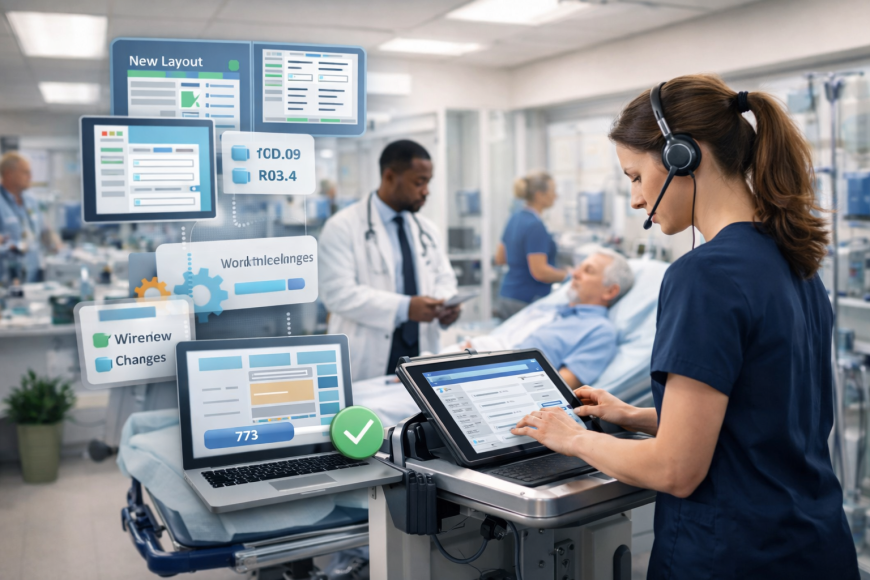
Electronic Health Record (EHR) upgrades are essential for improving healthcare delivery—but in fast-paced environments like emergency departments (EDs), they can temporarily disrupt workflows, slow documentation, and impact patient care.
This is where scribes in emergency settings play a critical role. Their ability to quickly adapt to system changes ensures that physicians remain efficient, compliant, and focused on patient care—even during major transitions.
In this blog, we’ll explore how scribes adjust to EHR upgrades and why medicals cirbing becomes even more valuable during these periods.
Why EHR Upgrades Are Challenging in Emergency Settings
EHR upgrades often introduce:
- New interfaces and workflows
- Updated documentation requirements
- Changes in templates and order entry systems
- Temporary system slowdowns or learning curves
In emergency settings—where every second counts—these changes can:
- Increase documentation time
- Delay clinical decisions
- Reduce overall throughput
Without proper support, providers may struggle to keep up.
The Role of Scribes During EHR Transitions
Scribes act as a bridge between clinical care and digital documentation. During EHR upgrades, their role expands beyond routine charting.
Key Responsibilities Include:
- Learning and navigating new EHR systems
- Assisting physicians with updated workflows
- Ensuring accurate and compliant documentation
- Reducing disruption to patient care
This adaptability makes scribes indispensable during transitions.
How Scribes Adapt to EHR Upgrades
1. Rapid Training and System Familiarization
Professional scribes undergo targeted training whenever an EHR upgrade is implemented. This includes:
- Hands-on system walkthroughs
- Template updates
- Workflow simulations
Because scribes focus solely on documentation, they often learn the system faster than providers, becoming go-to resources during the transition.
2. Mastering New Templates and Workflows
EHR upgrades frequently introduce new charting templates and documentation structures.
Scribes:
- Quickly adapt to new formats
- Customize templates for physician preferences
- Ensure all required fields are completed accurately
This reduces the risk of incomplete or incorrect documentation.
3. Supporting Physicians in Real Time
During upgrades, physicians may struggle with:
- Navigation issues
- Increased clicks and data entry
- Unfamiliar workflows
Scribes help by:
- Managing documentation in real time
- Guiding providers through new processes
- Minimizing interruptions during patient care
This allows physicians to stay focused on clinical decisions rather than technology.
4. Maintaining Documentation Accuracy and Compliance
EHR changes can lead to:
- Missed fields
- Incorrect coding inputs
- Compliance risks
Scribes ensure:
- Accurate capture of patient encounters
- Proper alignment with updated documentation standards
- Consistency across all charts
This is especially important for billing, audits, and regulatory compliance.
5. Reducing Productivity Loss During Transition
EHR upgrades often lead to a temporary drop in productivity. However, scribes in emergency settings help offset this impact by:
- Keeping documentation workflows smooth
- Reducing charting delays
- Allowing physicians to see more patients
As a result, EDs can maintain throughput even during system changes.
6. Acting as Workflow Stabilizers
Scribes become an essential support system during uncertain transitions. They:
- Identify workflow inefficiencies early
- Adapt documentation practices quickly
- Provide feedback to improve system use
This helps stabilize operations faster after an upgrade.
The Role of Medicals Cirbing in Digital Transformation
As healthcare continues to evolve, medical scirbing is no longer just about documentation—it’s about enabling seamless digital transformation.
During EHR upgrades, scribes:
- Bridge the gap between technology and patient care
- Enhance provider efficiency
- Ensure continuity in clinical workflows
Their presence turns a potentially disruptive process into a manageable transition.
Benefits of Using Scribes During EHR Upgrades
| Challenge During Upgrade | How Scribes Help |
|---|---|
| Learning new system | Quick adaptation and support |
| Increased documentation time | Real-time charting |
| Workflow disruption | Smooth process management |
| Risk of errors | Accurate documentation |
| Reduced productivity | Maintained efficiency |
Real-World Impact
Healthcare organizations that utilize scribes during EHR transitions often experience:
- Faster adoption of new systems
- Reduced physician frustration
- Improved documentation quality
- Minimal disruption to patient care
This makes scribes a strategic asset—not just operational support.
Final Thoughts
EHR upgrades are necessary—but they don’t have to slow down your emergency department. With the support of scribes in emergency settings, hospitals can navigate these changes with confidence and efficiency.
By ensuring accurate documentation, supporting providers in real time, and maintaining workflow continuity, scribes play a vital role in successful EHR transitions.
In today’s rapidly evolving healthcare landscape, medicals cirbing is not just helpful—it’s essential for staying efficient, compliant, and patient-focused during times of change.