How Long Can a Baby Use a Newborn Pram Before Switching Seats?
 Out N About
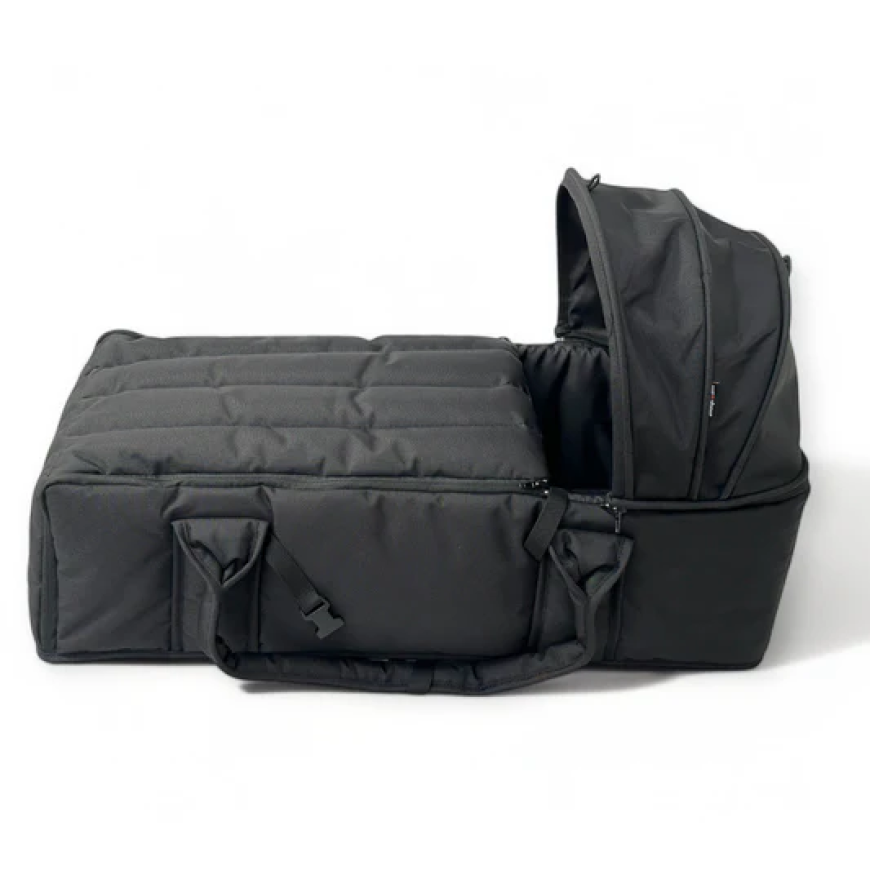
Every baby grows at their own pace, and knowing when to move on from newborn pram settings can feel confusing without clear guidance. Carrycots and lie-flat seats serve an important purpose in the early months, but they aren't meant to be used indefinitely. This guide explains typical usage timelines, what signs to look for, and how to transition smoothly to an upright pushchair seat.
How Long Do Babies Typically Use Newborn Pram Settings?
Most babies use a carrycot or lie-flat seat for the first 4 to 6 months, though this varies depending on the individual baby and the product's specific weight or age guidelines. During this stage, a newborn pram supports a baby's undeveloped neck and spine by keeping them in a fully flat position rather than an upright or seated one.
Carrycot Usage Timeline
A carrycot is usually suitable from birth up to around 6 months or 9 kg, whichever comes first. Many parents choose a carrycot specifically for overnight naps or longer outings, since it offers a flat, enclosed space similar to a cot.
Lie-Flat Seat Usage Timeline
A lie-flat pushchair seat, sometimes used instead of a separate carrycot, generally covers the same early period but can often be adjusted gradually rather than swapped out all at once. This makes it a flexible option for parents who prefer fewer separate pram components.
Signs a Baby Has Outgrown Newborn Pram Settings
Reaching the Weight or Height Limit
Every carrycot and lie-flat seat has a maximum weight and sometimes a height guideline. Reaching this limit is the clearest sign it's time to move to an upright seat, regardless of your baby's exact age.
Improved Head and Neck Control
Once a baby can hold their head steady without support, usually somewhere between 4 and 6 months, they typically have the strength needed for an upright seated position. This is one of the most reliable developmental indicators parents can watch for.
Sitting Up Unassisted
When a baby starts trying to sit up on their own or pushes against the flat surface, it often means they're ready for more visual stimulation and an upright view, rather than staying reclined.
Reduced Comfort in the Flat Position
Some babies become noticeably restless or unsettled in a carrycot once they're used to being upright elsewhere, such as during feeding or playtime. This shift in comfort is a practical sign worth paying attention to.
How to Transition to an Upright Pushchair Seat
Introduce the change gradually.
If your pram allows seat angle adjustments, moving from fully flat to a slight recline before going fully upright can help your baby adjust more comfortably.
Keep the Harness Snug
An upright seat requires a properly fitted five-point harness. Double-checking the fit as your baby grows ensures they stay secure once they're no longer lying flat.
Watch Their Reaction in the First Few Outings
Some babies take to the upright position immediately, while others need a short adjustment period. Keeping early outings shorter during this transition can make the change easier for both of you.
What Comes After the Newborn Stage?
Once a baby has moved into an upright pushchair seat, many parents also start considering how their pram setup supports a more active lifestyle. For families who enjoy jogging, this is often when a running pushchair becomes relevant, since these models are built with sturdier frames, locked front wheels, and suspension suited to movement at a faster pace. While a newborn pram prioritises flat, supported rest, a running pushchair is designed for a baby who can sit upright securely and handle a more dynamic ride.
Frequently Asked Questions
Can I skip the carrycot stage entirely?
Yes, if your pram offers a lie-flat seat option, it can often replace the need for a separate carrycot, provided it meets the same newborn safety standards.
Is it safe to use an upright seat before 4 months?
Generally, no. Most guidance recommends waiting until a baby has developed sufficient head and neck control, which typically happens between 4 and 6 months, before using a fully upright position.
When can a baby go in a running pushchair?
Most manufacturers recommend waiting until a baby is at least 6 months old and has moved beyond newborn pram settings, since running requires stronger neck and core support than walking.