How Does a Magnetic Safety Switch Protect Machines?
 jackzkr317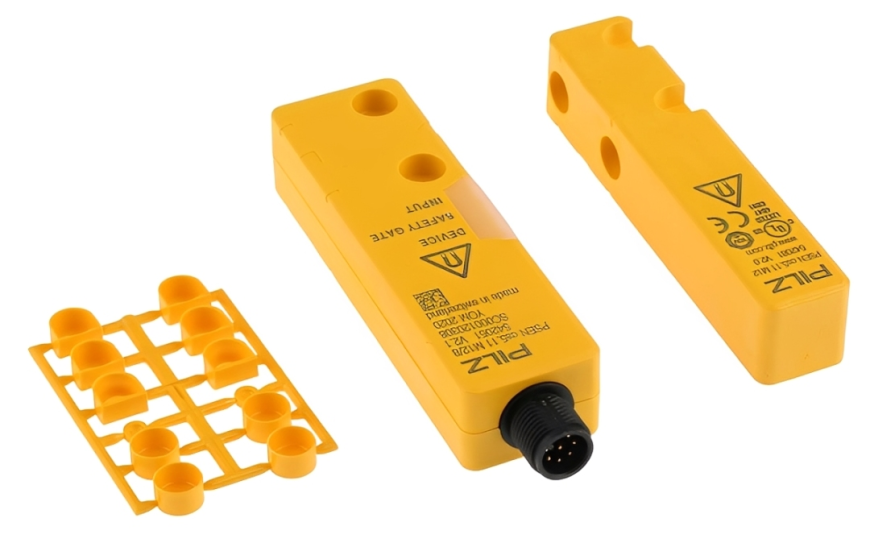
Which Magnetic Safety Switch Fits Your Machine?
A Magnetic Safety Switch is a non-contact device that monitors guard doors, hoods, and access panels so machines stop before harm occurs. Used across electronics and process lines, it delivers reliable safety without mechanical wear.
What is a Magnetic Safety Switch?
This device uses a magnet and a sensing element to detect whether a guard is closed. When the target is present, the switch signals the controller to allow motion. When the guard opens, the safety circuit drops out and power is removed through contactors or drives.
Where is it used in modern electronics?
You will find these switches on fillers, CNC enclosures, robotic cells, and SMT lines. They integrate easily with sensors, connectors, cables, and safety relays to create a layered protective system.
How does it work in practice?
A fixed sensor mounts on the frame and a matching actuator mounts on the moving door. As the door closes, the magnetic field crosses a threshold and the output changes state. Non-contact operation resists dust, oils, and vibration, maintaining alignment over time.
What outputs are typical?
Manufacturers offer dry contacts, PNP outputs, and dual-channel safety contacts. Many models support M8 or M12 connectors for quick changeover and tidy cable routing.
Which type should you choose?
Different sensing technologies suit different risks and environments. Consider the trade-offs below.
Reed contact switches
-
Simple operation with a sealed glass reed and magnet
-
Good for basic guarding where low cost and straightforward wiring are priorities
-
Sensitive to shock if not mounted with care, so use proper tools and grips during installation
Coded magnetic switches
-
Use coded magnets to deter simple defeat with a spare magnet
-
Better for higher risk applications and wider sense gaps
-
Often pair with dual safety inputs on controllers for fault tolerance
Solid-state or RFID-coded switches
-
Provide high tolerance to misalignment and longer sensing ranges
-
Offer diagnostic LEDs and teach functions that speed setup
-
Ideal when doors flex or when thermal expansion affects gaps
Key selection criteria
Choosing the right switch is about more than the sensing head. Evaluate the full safety channel.
-
Performance level and standards required for the machine category
-
Sensing distance and tolerance to misalignment, including thermal movement
-
Housing materials that resist cleaning agents and oils in food or metalworking
-
Connector style, cable jacket, and ingress protection rating for washdown areas
-
Operating temperature, shock, and vibration limits for factory floors
-
Compatibility with safety relays, contactors, or a safety PLC with microcontrollers
Wiring, connectors, and power integrity
Clean wiring is essential for reliable stopping performance.
-
Use shielded cables and route away from high-current drives and contactors
-
Select pre-moulded M12 connectors to reduce ingress and speed replacement
-
Add ferrite suppression or a capacitor across coils where recommended to limit transients
-
Keep fuses accessible in the control panel for safe, fast service
-
Label all switches and cable runs to streamline inspections
Installation and alignment tips
Good mechanics prevent nuisance trips and downtime.
-
Mount the sensor on the rigid frame and the actuator on the moving guard
-
Use jigs or spacers to set the sensing gap within specification
-
Avoid over-tightening; plastics can creep and alter gaps as thermal pads compress
-
Fit protective covers where pallets or tools may strike the device
-
Verify operation with the machine interlock test before first production
Commissioning and functional testing
Prove the stop function under real conditions.
-
Test each guard by opening it while the machine is moving at a safe jog
-
Check that status LEDs indicate closed and open states clearly
-
Validate that the controller drops safety outputs and contactors de-energise
-
Record test results on a laptop checklist for traceability
Integration with controllers and electronics
Smart diagnostics reduce search time during faults.
-
Map inputs to a safety PLC or certified controller that supports dual channels
-
Use industrial networks for status monitoring and predictive maintenance
-
Log open times and cycle counts with microprocessors to spot doors that drift
-
Provide HMI messages for operators and maintenance to diagnose switch, cable, or relay issues
Common pitfalls to avoid
Design and maintenance choices often determine reliability.
-
Relying on a single channel when the risk assessment calls for redundancy
-
Allowing flexible doors to sag so the sensing face drifts out of range
-
Mixing cable types so colours and pinouts become inconsistent
-
Skipping periodic tests after replacing drives, switches, or control fuses
Beyond safety: productivity benefits
Well-chosen devices support uptime.
-
Faster changeovers with plug-in connectors and coded mounting plates
-
Reduced wear because there is no mechanical plunger to stick
-
Clear LEDs that speed troubleshooting and shorten restart times
-
Stable sensing despite dust, oils, and thermal cycling
Buying checklist
Use this quick checklist before specifying or ordering.
-
Machine risk category and required performance level
-
Type needed: reed, coded magnetic, or RFID-coded solid-state
-
Sensing distance, tolerance to misalignment, and LED diagnostics
-
Connector style, cable length, and routing accessories
-
Compatibility with the controller, safety relay, and contactors
-
Environmental limits, cleaning agents, and expected maintenance tools
Final word
A properly selected Magnetic Safety Switch turns guard doors into dependable control points that protect people and equipment. By matching sensing technology to risk level, validating the wiring path, and planning for diagnostics, you build a safer line that also runs better.