How Does a Dimplex Air Curtain Reduce Heat Loss?
 jackzkr317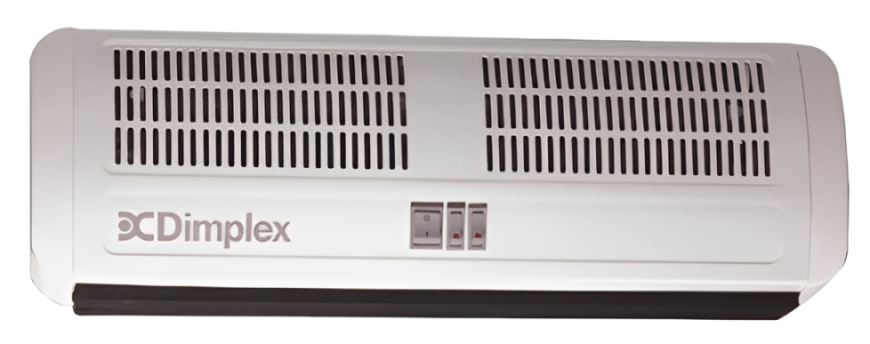
Dimplex Air Curtain
A Dimplex Air Curtain helps protect indoor comfort at doorways by creating a controlled stream of air that reduces drafts and limits unwanted heat exchange. Because entrances open frequently in shops, warehouses, and offices, the right air curtain can support energy efficiency while keeping people comfortable and improving the everyday flow of the space.
What a Dimplex Air Curtain Does in Real Entrances
An air curtain forms an invisible barrier across an opening. As a result, it reduces cold air ingress in winter and helps limit warm air entry in summer, depending on your HVAC strategy. At the same time, it can improve the experience for customers and staff who pass through the doorway repeatedly.
Key outcomes you can expect include:
-
Reduced drafts near the entrance
-
More stable indoor temperatures and improved thermal comfort
-
Support for cleaner doorways by limiting airborne dust movement
-
Better operational comfort for reception areas and front counters
How Airflow, Thermal Control, and Energy Use Connect
When a door opens, indoor air can escape quickly. Therefore, the thermal load on heating and cooling equipment increases. A Dimplex Air Curtain addresses this by directing airflow with the correct speed and angle so it reaches the floor and resists pressure differences.
Important technical factors that influence performance:
-
Door height and width, because airflow must cover the full opening
-
Mounting position and discharge angle, so the air stream seals properly
-
Ambient conditions, including wind and building pressure balance
-
Heat setting, where heated models add warmth while unheated models focus on separation
Sensors and Controllers for Smarter Operation
Modern installations often use sensors to automate runtime. For example, a door contact or motion sensor can trigger the unit only when needed. This reduces energy use and supports consistent performance.
Common control options include:
-
Wall controllers with adjustable fan speeds
-
Automatic door switches and occupancy sensors
-
Building management integration through compatible controllers
Selecting the Right Model for Your Site
Choosing the correct Dimplex Air Curtain starts with the entrance conditions. If the unit is undersized, drafts can remain. On the other hand, an oversized unit may increase noise and operating cost without adding value.
Consider these selection checkpoints:
-
Door height, because it determines required air velocity
-
Door type such as single, double, or sliding doors
-
Traffic level, since frequent opening benefits more from an air curtain
-
Heating needs, based on building insulation and indoor temperature targets
-
Noise limits, especially for front of house areas
Electrical and Installation Requirements
Because these units are powered equipment, electrical planning matters. Ensure cables are sized correctly for the load, and follow local regulations. In many sites, installers also coordinate with electronics panels, connectors, and isolators to keep maintenance safe and straightforward.
Typical installation components may include:
-
Correctly rated cables and connectors for the supply
-
Isolation switches for safe servicing
-
Contactors where switching loads require robust control
-
Protective devices such as fuses for circuit protection
Safety and Reliability in Busy Doorways
Safety should stay central from planning through operation. A Dimplex Air Curtain is often installed above public entrances, so secure mounting and safe electrical isolation are essential. Additionally, routine inspection reduces the chance of vibration, noise issues, or airflow imbalance.
Practical safety steps include:
-
Use appropriate tools for wall anchoring and bracket torque
-
Confirm the unit is isolated before inspection or cleaning
-
Verify fuses and protective switching are correctly rated
-
Keep access panels secure after servicing
Protecting the System Around It
An air curtain interacts with surrounding systems. For instance, nearby LED signage, door sensors, and control wiring should be routed cleanly to avoid interference and damage. In some electrical enclosures, capacitor components and protection devices may be present, so good labeling and separation supports long term maintenance.
Installation Best Practices That Improve Performance
Correct mounting height and alignment influence results immediately. Therefore, installers should focus on positioning, airflow direction, and commissioning checks rather than only powering on the unit.
Commissioning checklist you can use on site:
-
Confirm airflow reaches the floor across the full doorway width
-
Adjust fan speed to balance separation and noise
-
Set heating output if the model includes heat
-
Test sensors and controllers for reliable switching
-
Check door opening patterns during busy periods
Maintenance for Long Term Performance
Regular maintenance keeps airflow consistent and reduces operating cost. Over time, dust accumulation can reduce fan efficiency, so scheduled cleaning is worth it.
Routine tasks to plan:
-
Clean intake and discharge areas on a defined schedule
-
Inspect mounting points and tighten as needed
-
Check switches and controller settings seasonally
-
Review electrical connections and connectors for signs of wear
Where appropriate, approved oils may be used only for specific moving components if the manufacturer allows it. However, avoid applying oils near airflow paths where mist could attract dust.
How to Improve Comfort in Mixed Environments
Many buildings have mixed zones, such as retail front areas and back offices. In these spaces, a Dimplex Air Curtain supports comfort by stabilising entrance conditions, which reduces the need for aggressive HVAC operation deeper in the building.
Ways to improve results across zones:
-
Pair the air curtain with good door seals and vestibules when possible
-
Use sensors to avoid unnecessary runtime during quiet hours
-
Coordinate temperature setpoints so the entrance is not over heated
-
Review airflow direction during seasonal changes
Integration With Modern Building Systems
Some sites manage multiple entrances and energy targets centrally. In these cases, integration can matter as much as the unit itself. While an air curtain is not a computer, it may be connected into control infrastructure that involves microcontrollers and controllers. In facilities teams, configuration might even be managed from a laptop during commissioning and diagnostics.
Common integration benefits include:
-
Central scheduling for operating hours
-
Automated response to door activity
-
Faster fault detection through monitored switching states
Practical Buying and Specification Tips for Procurement
When you are specifying a Dimplex Air Curtain for a product driven purchase, prioritise measurable fit and function. Then, align accessories and controls to the site.
Specification details that reduce errors:
-
Exact door dimensions and mounting clearance
-
Required power supply and switching method
-
Control preference such as manual or sensor based
-
Noise expectations for the entrance environment
-
Compliance requirements for safety and electrical protection
Conclusion
A Dimplex Air Curtain is a practical entrance solution that supports thermal comfort, reduces heat loss, and improves day to day usability in high traffic doorways. When it is sized correctly, installed with safe electrical protection, and configured with sensors and controllers, it becomes a reliable part of the building’s comfort strategy while helping control energy demand.