How Do Spade Connectors Make Wire Termination Faster and Safer?
Learn how Spade Connectors support safer wire termination, cleaner electrical connections, easier servicing, and reliable performance in panels and devices.
 joddie25
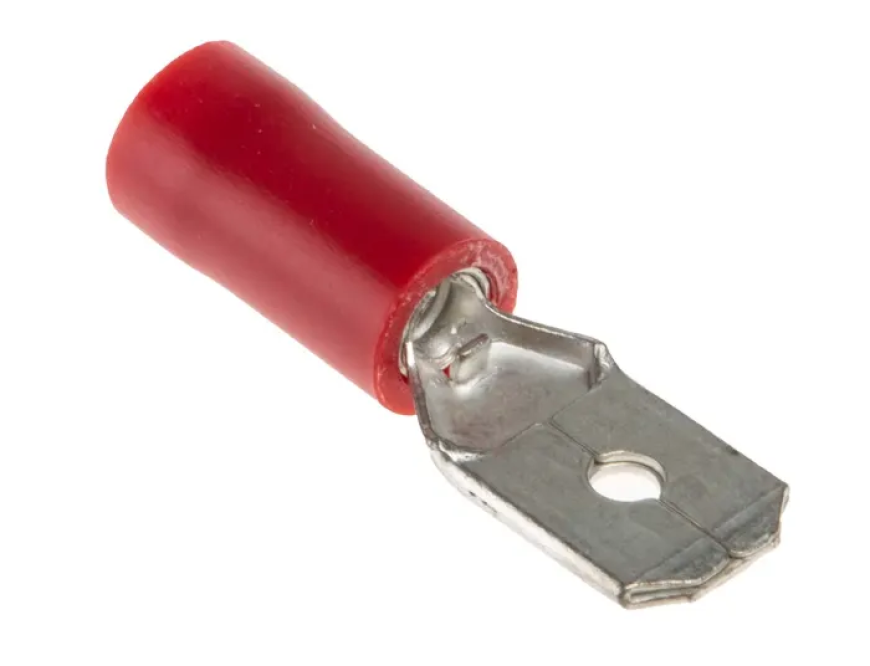
Spade Connectors are reliable electrical terminals designed to make wire termination faster, cleaner, and easier to manage. They are widely used in panels, appliances, automotive systems, machinery, and repair work where wires must connect securely to screws or studs. Their fork shaped end slides neatly under a terminal screw, while the crimp barrel holds the wire in a firm and organised position.
In many electrical systems, connection quality affects safety, performance, and maintenance time. A weak or messy wire connection can create resistance, heat, signal loss, or unexpected failure. Spade Connectors help solve these problems by providing a controlled contact point that improves the way each wire meets the terminal.
Why Fast Wire Termination Matters
Electrical assemblies often contain many wires, especially in control cabinets, machines, vehicles, and appliances. If each wire is connected poorly, the whole system becomes harder to inspect and maintain. Spade Connectors simplify this process by turning loose wire ends into neat, reusable terminals.
Fast termination is important because it helps:
- Reduce installation time
- Improve wiring consistency
- Support easier part replacement
- Keep terminals organised
- Lower the chance of stray wire strands
- Make inspections more efficient
- Reduce unnecessary cable cutting during repairs
For technicians and panel builders, these benefits can save time while improving the quality of the finished wiring.
How the Fork Design Supports Easy Servicing
The main advantage of Spade Connectors is their open fork design. This shape allows the connector to fit around a screw or stud without requiring the screw to be removed completely. The terminal can be loosened, the connector can be inserted or removed, and the screw can then be tightened again.
This is useful in equipment that needs regular maintenance. Switches, relays, sensors, and control devices may need testing or replacement, and Spade Connectors allow wires to be disconnected with less effort. This helps protect the conductor from repeated stripping and reduces the risk of shortening the cable during service.
Spade Connectors in Control Panels
Control panels often need neat, traceable, and serviceable wiring. Spade Connectors can support this by keeping terminations consistent and easy to identify. A panel with clean wiring is easier to troubleshoot because each connection point is more visible and accessible.
In control panel work, Spade Connectors are often used with:
- Terminal blocks
- Relays and contactors
- Indicator lights
- Push buttons
- Timer modules
- Small power distribution points
- Control switches
- Auxiliary connections
A properly fitted terminal helps maintain stable contact while allowing the wire to be removed when a device needs replacement.
Spade Connectors in Automotive and Machinery Wiring
Vehicles and machinery often operate in environments with vibration, heat, and movement. In these conditions, a loose connection can quickly become a fault. Spade Connectors are useful because they provide a defined contact shape and a crimped wire hold.
For automotive and machinery use, stronger connector choices may be needed. Heat shrink, fully insulated, or vibration resistant terminals can offer better protection than basic versions. These options help reduce moisture entry, improve strain relief, and support longer service life.
Common uses include:
- Lighting circuits
- Horn connections
- Dashboard switches
- Fuse holders
- Small motors
- Sensors
- Auxiliary accessories
Selecting the correct connector type for the environment is important for long term performance.
How to Match Spade Connectors with Wire Size
Wire size is one of the most important details when selecting Spade Connectors. If the barrel is too large, the crimp may not grip the conductor properly. If the barrel is too small, the wire may not fit correctly or may become damaged.
Before choosing a connector, confirm:
- Wire gauge or conductor cross section
- Insulation thickness
- Terminal screw or stud size
- Current load of the circuit
- Space available around the terminal
- Temperature near the connection
- Need for insulated or non insulated design
The best connector should fit naturally, crimp firmly, and sit flat under the screw without bending.
Insulation Choices for Spade Connectors
Different insulation styles are available to suit different working conditions. Choosing the right style improves handling safety and connection durability.
Basic Insulated Terminals
Basic insulated Spade Connectors are suitable for many standard wiring tasks. They help cover the crimp area and reduce accidental contact during handling.
Fully Insulated Terminals
Fully insulated styles cover more of the metal body. They are helpful in compact spaces where terminals sit close together.
Heat Shrink Terminals
Heat shrink Spade Connectors create a tighter seal around the wire after heating. They are useful where moisture, dirt, or vibration may affect the connection.
Non Insulated Terminals
Non insulated versions are useful where separate sleeving, heat shrink, or protective covers will be added after installation.
Installation Checks for Better Results
A connector is only reliable when it is installed correctly. Poor crimping, wrong sizing, or loose screws can reduce performance.
Important checks include:
- Strip the wire cleanly before crimping
- Avoid cutting conductor strands
- Insert the wire fully into the crimp barrel
- Use the correct crimping tool
- Match the crimp die to the connector size
- Pull test the wire after crimping
- Tighten the terminal screw securely
- Check that the fork is flat under the screw
If the connector feels loose or looks damaged, it should be replaced before the circuit is powered.
Why Quality Matters in Spade Connectors
Low quality terminals may bend easily, corrode faster, or fail to grip the wire properly. This can lead to repeated faults and unsafe connections. Quality Spade Connectors use suitable conductive materials, reliable plating, and durable insulation to support better performance.
Good quality becomes especially important in:
- High use equipment
- Warm operating areas
- Vibration exposed systems
- Control panels with frequent servicing
- Outdoor or damp conditions
- Circuits carrying steady current
Choosing better terminals can reduce repair time and help protect equipment from avoidable connection failures.
Final Thoughts
Spade Connectors are valuable components for fast, clean, and safe wire termination. Their open fork design makes them easy to install and remove, while their crimp barrel helps secure the conductor in a controlled way.
For the best results, choose Spade Connectors based on wire size, screw size, insulation needs, current rating, and environment. When installed with the right crimping tool and checked carefully, they help create reliable electrical connections that are easier to maintain over time.