How Dangerous Is the Australian Hornet Wasp?
Eco Pest Control Perth offer reliable, professional and emergency pest solution in Perth.
 pestcontrolperth
Australia is home to some of the world’s most unique – and sometimes terrifying – insects. Among them is the Australian hornet wasp, a fearsome-looking creature often misunderstood. Despite its name, the Australian hornet is technically a wasp and not a true hornet. It’s known for its aggressive defence of nests and painful sting. As warm weather settles in across the country, more homeowners encounter these insects around their gardens and eaves.
If you’ve spotted one or suspect a nest nearby, understanding how dangerous they are is essential. In this article, we’ll explore the biology of the hornet wasp, its behaviour, and how it affects local ecosystems. We’ll also look at what makes it a potential threat to humans and pets, and how professional Pest Control Perth services can help keep your property safe.
Understanding the Behaviour of the Australian Hornet Wasp
The Australian hornet, also known as the Abispa ephippium, is not actually a hornet at all. It's a type of potter wasp that builds mud nests and is found mainly in the warmer parts of Australia. These wasps are solitary by nature, meaning they don’t form massive swarms like some other species. However, they can be territorial and aggressive when their nests are disturbed.
Unlike ants or termites, which operate in complex colonies, the Australian hornet wasp is more of a lone ranger. Still, this doesn’t make them harmless. When threatened, their sting can deliver an intense, burning pain. Though rarely fatal, the sting can cause allergic reactions in some individuals, ranging from swelling and redness to severe anaphylaxis.
If you already have other pests like rodents or nesting sites on your property, it may attract wasps seeking prey or shelter. A cluttered garden or roof cavity, for instance, can become a hotspot for both hornets and rodents. That’s why combining Rat Pest Control Perth with wasp awareness is crucial for a holistic pest management approach.
Health Risks and the Need for Professional Wasp Control
While the Australian hornet wasp isn't typically lethal, it can pose serious health concerns, especially for people with allergies. A single sting is painful, but multiple stings can quickly escalate into a medical emergency. This makes it particularly dangerous around children and pets who may unknowingly disturb a nest.
Hornet wasps usually sting when provoked, but some have been known to act defensively even when humans are simply nearby. Their mud nests are often located under eaves, window sills, or sheltered outdoor areas — making accidental contact more likely during backyard activities or home maintenance.
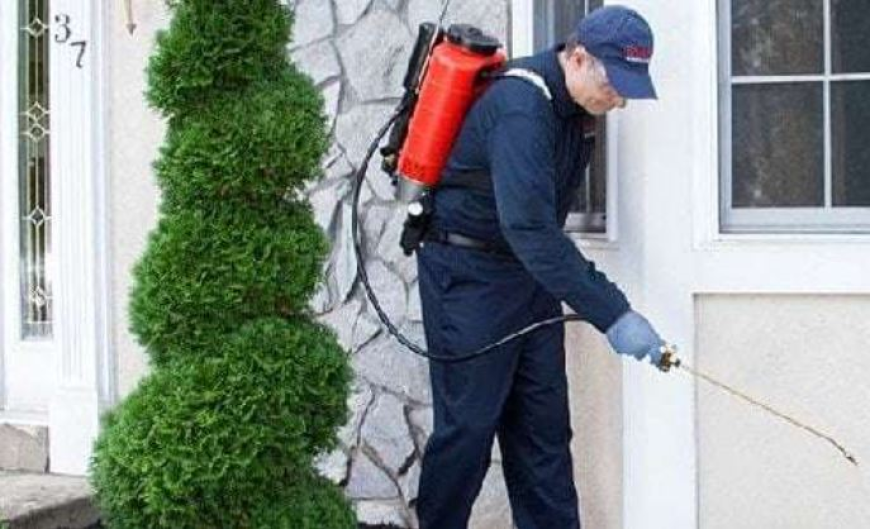
Removing a nest without proper gear or experience is not advisable. DIY sprays can sometimes agitate the wasps, prompting them to attack. That’s where Wasp Control Perth services come into play. Professionals are equipped with the right tools and safety protocols to remove nests effectively, ensuring your family and pets are safe.
Moreover, prompt wasp removal reduces the risk of secondary infestations. Hornets often return to familiar nesting grounds if not properly treated, leading to recurring problems year after year.
Impact on the Local Ecosystem and Other Insects
Though the Australian hornet wasp can be dangerous to humans, it also plays a role in the local ecosystem. These wasps are predatory and often feed on caterpillars and other insects, helping to maintain balance in nature. However, their aggressive nesting habits can sometimes push out native pollinators and beneficial insects.
In suburban areas, hornet wasps may unintentionally disrupt the ecological balance in gardens. For example, they may prey on harmless species or compete with bees for resources. Their presence can reduce biodiversity in the area, particularly in well-maintained gardens and landscaped properties.
Insects like ants, which play a vital role in soil health and decomposition, may also be affected. A decline in ant populations can signal a larger imbalance. When you spot one pest, chances are others are nearby, competing for space and food. Coordinating services such as Ant Pest Control Perth alongside wasp treatment ensures your property maintains a healthy, natural balance without one species dominating the rest.
How to Prevent Wasp Infestations Around Your Home
Prevention is the best defence when it comes to dealing with hornet wasps. Start by checking your property regularly, especially during warmer months. Look for mud nests under gutters, decks, and window sills. Keep outdoor bins tightly sealed, as food waste can attract prey species and in turn, wasps.
Trim back bushes and overhanging branches where nests may be concealed. Avoid leaving food or sugary drinks outside, particularly during barbecues and picnics. If you spot a nest or frequent wasp activity, resist the urge to handle it yourself. It’s always safer to call in a professional.
Homeowners should also ensure that there are no cracks or gaps in rooflines, window frames, or vents — common entry points for insects. Simple maintenance, like clearing gutters and sealing rubbish bins, goes a long way in minimising the chances of infestation.
Seasonal pest inspections can help detect potential threats early. This includes checking for signs of nesting, discarded wings, or unusual insect activity. A comprehensive pest management plan can address multiple concerns at once, giving you long-term peace of mind.
The Australian hornet wasp may not be the most dangerous insect in the country, but its sting and territorial behaviour make it a threat that shouldn’t be taken lightly. Especially when children, pets, or allergic individuals are involved, even a single wasp nest can pose significant risks.
Instead of putting yourself or your family in danger, rely on the expertise of professionals. Whether you're dealing with hornets, rats, or ants, Eco Safe Pest Control offers safe, reliable, and eco-conscious pest solutions tailored to Perth homes. We’ll inspect, treat, and help you prevent future infestations — all with minimal disruption to your daily life.
Call us today on 0424 800 001 or email [email protected] to book a consultation. Don’t wait until a sting becomes a serious problem — take action now and protect your home with confidence.