How Child Therapy Malaysia Helps Children Overcome Emotional Challenges Successfully
 TheMind
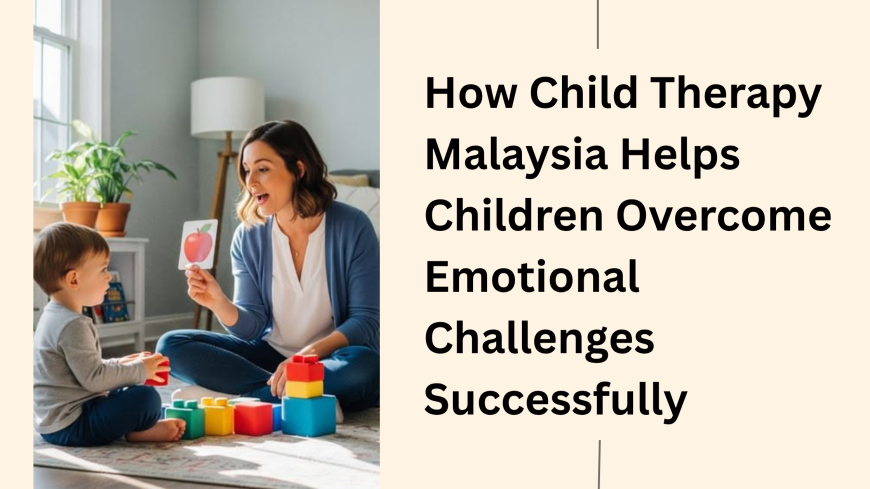
Childhood is a time of learning, growth, and discovery. While many children experience joyful moments, they may also face emotional, behavioral, or social challenges that affect their overall wellbeing. Difficulties at school, family changes, bullying, anxiety, grief, or developmental concerns can sometimes become overwhelming for young minds. When these challenges begin to impact a child's daily life, professional support can make a significant difference.
Child therapy in Malaysia provides children with a safe, supportive, and nurturing environment where they can express their emotions, build confidence, and develop healthy coping skills. Through evidence-based therapeutic approaches, child therapists help children overcome emotional difficulties while supporting healthy development and stronger family relationships.
Understanding Child Therapy
Child therapy is a specialized form of psychological support designed to help children understand and manage their emotions, behaviors, and social interactions. Since young children often struggle to express their feelings verbally, therapists use age-appropriate techniques that encourage communication and emotional expression.
These may include:
Play therapy
Art and creative activities
Storytelling
Games and role-playing
Cognitive and behavioral techniques
Family involvement when appropriate
These approaches create a comfortable environment where children can explore their emotions naturally and safely.
Common Emotional Challenges Children Face
Every child develops differently, but certain emotional and behavioral challenges are common during childhood.
Some reasons families seek child therapy include:
Anxiety and excessive worry
School-related stress
Low self-confidence
Behavioural difficulties
Family conflict or divorce
Bullying
Grief and loss
Difficulty making friends
Emotional outbursts
Trouble adjusting to major life changes
Early support helps children address these challenges before they become more difficult to manage.
Creating a Safe and Supportive Environment
One of the greatest benefits of child therapy is providing a safe space where children feel accepted, respected, and understood.
Many children struggle to explain complicated emotions. Skilled therapists build trust through patience, empathy, and child-friendly activities that encourage open communication.
When children feel emotionally safe, they become more willing to share their thoughts, fears, and concerns, creating opportunities for meaningful healing and growth.
Helping Children Understand Their Emotions
Young children often experience strong emotions without fully understanding why they feel that way. Therapy helps children recognize and identify emotions such as:
Happiness
Sadness
Anger
Fear
Frustration
Worry
By learning to recognize these emotions, children develop greater emotional awareness and become better equipped to manage challenging situations.
Developing Healthy Coping Skills
One of the primary goals of child therapy is teaching practical coping strategies that children can use in everyday life.
Therapists may introduce techniques such as:
Deep breathing exercises
Relaxation activities
Positive self-talk
Problem-solving skills
Emotional regulation techniques
Mindfulness exercises
These tools help children respond calmly to stressful situations while building confidence in their ability to handle future challenges.
Improving Behaviour and Social Skills
Emotional difficulties sometimes affect a child's behaviour at home or school. Therapy helps children understand how their emotions influence their actions and teaches healthier ways to respond.
Children may develop stronger:
Communication skills
Listening abilities
Conflict-resolution techniques
Teamwork and cooperation
Empathy toward others
These improvements often lead to better relationships with family members, teachers, and peers.
Supporting Families Throughout the Process
Child therapy is often most effective when parents or caregivers are actively involved. Therapists work closely with families to provide guidance on supporting a child's emotional development outside therapy sessions.
Parents may learn strategies to:
Improve communication
Encourage positive behaviour
Respond calmly to emotional outbursts
Create supportive home environments
Strengthen family relationships
Working together helps reinforce the progress children make during therapy.
Building Confidence and Emotional Resilience
Children who successfully manage emotional challenges often develop greater resilience and self-confidence. Therapy encourages children to recognize their strengths, celebrate achievements, and believe in their ability to overcome obstacles.
As resilience grows, children become more capable of adapting to change, solving problems, and managing future challenges independently.
Long-Term Benefits of Child Therapy
The positive effects of child therapy often continue well into adolescence and adulthood.
Long-term benefits may include:
Better emotional wellbeing
Improved self-esteem
Healthier relationships
Stronger coping abilities
Better academic performance
Improved communication skills
Greater emotional resilience
Enhanced overall quality of life
Early intervention provides children with valuable life skills that support healthy development for years to come.
Growing Awareness of Child Mental Health in Malaysia
Malaysia has seen increasing awareness of the importance of children's mental health. Schools, healthcare providers, and families are becoming more proactive in recognizing emotional challenges and seeking professional support when needed.
This growing awareness helps reduce stigma surrounding therapy and encourages parents to prioritize their children's emotional wellbeing alongside physical health.
Conclusion
Child therapy in Malaysia plays a vital role in helping children overcome emotional challenges successfully. Through compassionate care, age-appropriate therapeutic techniques, and family involvement, therapy supports emotional healing, healthy development, and long-term wellbeing.
By addressing emotional concerns early, children can develop the confidence, resilience, and coping skills needed to navigate life's challenges successfully. Investing in a child's mental health today lays the foundation for a happier, healthier, and more confident future.