Hormones and the Uterus: How Endometrial Hyperplasia Develops
Is your body giving subtle warning signs? Discover how hormones trigger endometrial hyperplasia and what it means for your health before it’s too late!
 anasarif92
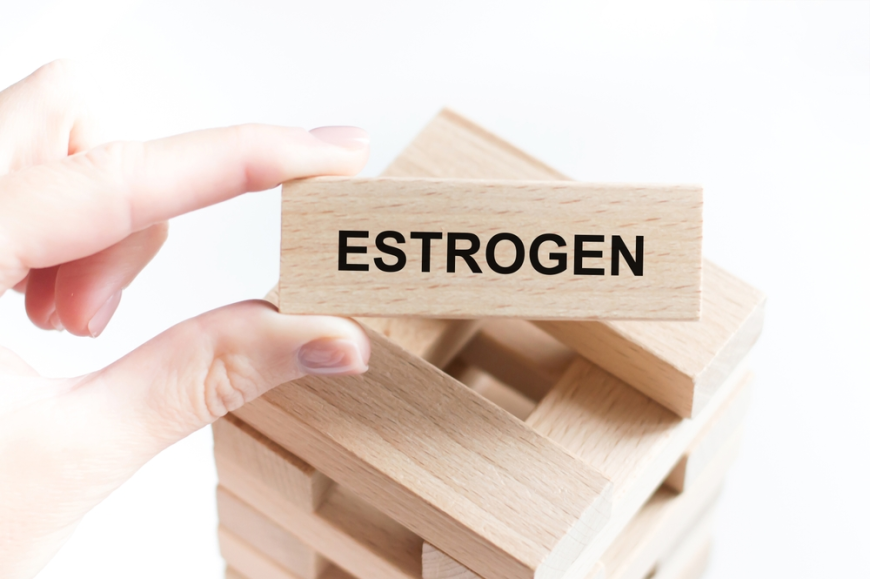
The uterus is more than just a reproductive organ, it is a highly dynamic, finely tuned system that responds to the subtle fluctuations of hormones. These chemical messengers orchestrate the growth, shedding, and preparation of the uterine lining each month. When this hormonal balance is disrupted, the endometrium; the inner lining of the uterus, can grow excessively, leading to a condition called endometrial hyperplasia. Understanding how hormones influence the uterus is essential for recognizing early warning signs, preventing complications, and maintaining overall reproductive health.
The Uterus and Its Hormonal Symphony
The uterus is extremely sensitive to hormonal signals, particularly estrogen and progesterone. These two hormones work together to regulate the menstrual cycle, ensuring that the endometrium develops appropriately and is prepared for a potential pregnancy each month.
When the balance between estrogen and progesterone is disrupted, especially when estrogen dominates without sufficient progesterone, the endometrium may overgrow. This unchecked growth is the central mechanism behind Endometrial Hyperplasia EH.
Estrogen: The Growth Driver
Estrogen is often called the “growth hormone” of the uterus because of its powerful effect on the endometrium. Each month, estrogen encourages the endometrial cells to multiply and prepare the uterus for a potential pregnancy. However, when estrogen levels are prolonged or excessively high without the counterbalancing effect of progesterone, the endometrial lining can become abnormally thick.
High estrogen exposure can occur due to multiple factors:
-
Hormonal therapy or certain medications: Estrogen-only therapies, fertility treatments, or drugs like tamoxifen may elevate estrogen levels in the body.
-
Obesity: Fat tissue naturally produces estrogen, which can add to the circulating hormone load.
-
Polycystic Ovary Syndrome (PCOS): Women with PCOS often have irregular ovulation, which disrupts progesterone production and allows estrogen to dominate.
-
Life stages such as perimenopause: Hormone fluctuations during this time can lead to intermittent periods of estrogen dominance.
This state of “unopposed estrogen” can cause the endometrium to overgrow, setting the stage for EH.
Progesterone: The Protective Hormone
Progesterone acts as a natural regulator, keeping estrogen-driven growth in check. After ovulation, progesterone signals the endometrium to mature and maintain stability. When progesterone levels are low or when ovulation does not occur, the endometrium continues to proliferate under the influence of estrogen alone.
Without adequate progesterone:
-
The endometrial lining becomes thicker than normal.
-
Menstrual cycles can become irregular or unpredictable.
-
The risk of developing EH increases significantly.
The interplay between estrogen and progesterone is critical. Even small imbalances over time can result in abnormal growth of the endometrium, highlighting why hormonal harmony is essential for uterine health.
Causes of Hormonal Imbalance Leading to Hyperplasia
EH rarely occurs in isolation. Hormonal imbalances often arise from a combination of physiological, medical, and lifestyle factors. Key contributors include:
-
Perimenopause and Menopause: During the transition to menopause, the ovaries produce fluctuating hormone levels, often resulting in periods where estrogen dominates progesterone.
-
Polycystic Ovary Syndrome (PCOS): Irregular cycles and low progesterone levels increase the likelihood of endometrial overgrowth.
-
Obesity and Insulin Resistance: Extra estrogen from fat tissue, combined with insulin resistance, can disrupt the hormonal balance.
-
Medication Effects: Certain medications, including estrogen-only therapies, fertility drugs, and selective estrogen receptor modulators (SERMs), may promote endometrial thickening.
-
Lifestyle Factors: Chronic stress, poor nutrition, and sedentary behavior can indirectly influence hormone levels, contributing to an environment where endometrial hyperplasia can develop.
Understanding these risk factors helps women and healthcare providers identify early warning signs and take preventive measures before abnormal endometrial growth becomes severe.
How Endometrial Hyperplasia Develops
To visualize this process, think of the endometrium as a garden:
-
Estrogen acts as water, promoting rapid growth of plants.
-
Progesterone is the gardener, pruning and regulating growth to ensure the garden remains healthy and balanced.
When estrogen dominates and progesterone is insufficient, the endometrial “garden” grows unchecked. This leads to abnormal thickening, or the hyperplasia, which can present with several noticeable changes:
-
Heavier or prolonged menstrual periods
-
Spotting between cycles
-
Irregular bleeding patterns
-
Bleeding after menopause
Some forms of hyperplasia may carry a higher risk of progressing to endometrial cancer if left untreated, making early detection and management crucial.
Symptoms to Watch For
EH often presents with subtle changes at first. Symptoms may include:
-
Heavy or prolonged menstrual bleeding: Periods may last longer than usual or involve more blood flow than normal.
-
Irregular cycles: Skipped periods or cycles that vary widely in length can signal hormonal imbalance.
-
Unexpected bleeding after menopause: Any postmenopausal bleeding should be promptly evaluated.
-
Spotting between periods: Light bleeding or spotting at unusual times may indicate abnormal endometrial growth.
Even mild alterations in menstrual patterns may suggest underlying hormonal disturbances and warrant medical attention.
Diagnosis: Evaluating Hormones and the Uterus
Diagnosing EH involves a comprehensive approach, assessing both the uterine lining and the hormonal environment. Common diagnostic steps include:
-
Medical History and Symptom Review: Healthcare providers will ask about cycle patterns, bleeding changes, and personal risk factors.
-
Ultrasound: Imaging helps measure the thickness of the endometrium and identify abnormalities.
-
Endometrial Biopsy: A small sample of the uterine lining is examined under a microscope to confirm hyperplasia and check for precancerous changes.
-
Hormonal Assessment: Blood tests evaluate levels of estrogen, progesterone, and other relevant hormones to identify imbalances.
This thorough approach ensures treatment addresses the underlying hormonal causes rather than just the visible symptoms.
Treatment Strategies Focused on Hormonal Balance
Treatment aims primarily at restoring the balance between estrogen and progesterone, controlling abnormal endometrial growth, and reducing the risk of progression to cancer. Common approaches include:
-
Progesterone Therapy: Administered orally, via injection, or through an intrauterine device (IUD), progesterone counteracts estrogen dominance, helping the endometrium return to normal thickness.
-
Lifestyle Adjustments: Maintaining a healthy weight, managing insulin resistance, exercising regularly, and following a balanced diet can help regulate hormones naturally.
-
Addressing Underlying Conditions: Conditions such as PCOS or metabolic disorders require targeted interventions to correct the root hormonal imbalances.
-
Regular Monitoring: Follow-up ultrasounds or biopsies help track treatment effectiveness and ensure the endometrium responds appropriately.
With timely and appropriate care, many women can reverse endometrial hyperplasia and restore uterine health, significantly reducing long-term risks.
Seeing the Bigger Picture
Endometrial hyperplasia serves as a reminder that hormonal balance affects far more than just the uterus. Hormones function as part of a complex network, interacting with metabolism, lifestyle habits, and other reproductive processes. When this delicate system is disrupted, changes in the endometrium may be the first visible sign, but underlying issues can extend to overall health. Effectively managing hormonal imbalance often involves a combination of approaches—nutritional adjustments, regular physical activity, targeted medical treatments, and consistent monitoring—to restore equilibrium and support long-term wellness.
Final Thoughts
The uterus responds dynamically to hormonal signals, and even subtle imbalances between estrogen and progesterone can lead to noticeable changes. EH develops when estrogen overwhelms progesterone, causing the lining to thicken abnormally. Recognizing symptoms early and addressing the root causes through medical care and healthy lifestyle choices, can prevent complications and often reverse the condition. By taking proactive steps, women can safeguard their reproductive health, reduce the risk of progression to cancer, and maintain confidence in their body’s hormonal and uterine well-being
With awareness, careful monitoring, and effective hormonal management, endometrial hyperplasia is a condition that can often be reversed, ensuring long-term reproductive health and supporting a body that responds to life’s hormonal symphony with balance and grace.