Helpful Guide to Power Washing Around the House
This no-nonsense guide to power washing shows you where it works best, what to avoid, and how to clean smart without damaging your home.
 mantaprowash
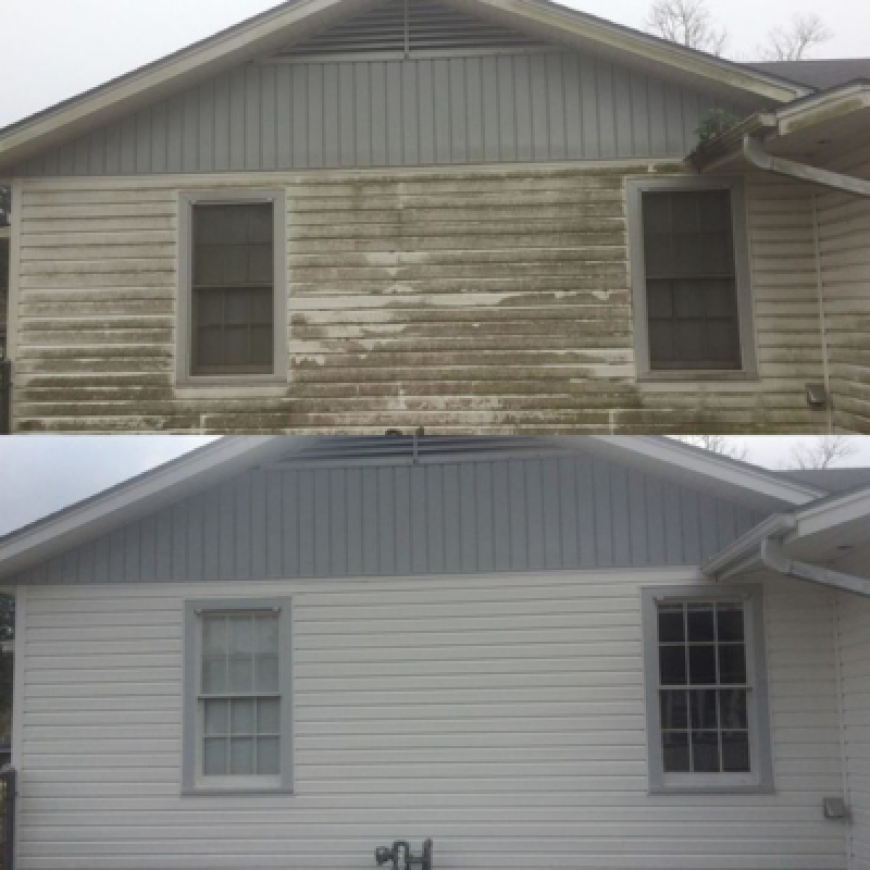
Grime Builds Up. It’s Just What It Does.
Driveways stain. Siding dulls. Steps get slick. It’s not because you’re lazy — outdoor surfaces just catch everything: dirt, algae, mildew, bird stuff, you name it. Sometimes you can rinse it off. Other times? Not so much.
That’s where power washing helps. Done right, it clears away months (or years) of built-up gunk without a whole lot of scrubbing.
Need a better look at how it’s handled? You can check it out here: power washing
So What Is Power Washing, Really?
It’s water. Under pressure. Simple enough. The machine cranks up the force so the water hits hard enough to lift grime, loosen stains, and clear off whatever’s caked on.
But don’t let the simplicity fool you. The key is knowing when and where to use it. Different surfaces handle pressure differently, and that matters a lot.
When It’s a Good Fit
Some stuff can take a beating. Concrete, brick, stone, even vinyl siding — they usually hold up well. That’s where power washing shines.
Good spots for it include:
-
Driveways with oil, dirt, or leaf stains
-
Sidewalks and paths that get slippery
-
Fences that need a refresh
-
Garage doors and sheds
-
Outdoor furniture that’s been left out too long
And yes, some decks and patios are fine too — if they’re made of the right material and not falling apart.
And When It’s Not
Roofs? Nope. Older wood siding? Probably not. Anything painted and peeling? Better skip it. High pressure can do real damage if you're not careful.
That’s where other methods — like roof soft washing or softwash roof cleaning — come in handy. These use low pressure with special cleaning solutions that do the heavy lifting instead of brute force.
Bottom line: don’t aim a high-pressure hose at delicate stuff. Always match the method to the material.
Technique Matters More Than People Think
You’d be surprised how many people rent a machine, fire it up, and then carve lines into their fence or gouge their deck. Happens all the time.
Good power washing isn’t just about pressure. It’s about angle, distance, flow, and knowing when to stop. That’s why the pros usually leave surfaces clean without leaving a mark.
Don’t Forget the Rest of the House
While you’re at it, look around. Siding, decks, patios — even gutters — all collect grime over time. A solid exterior house cleaning approach keeps everything in check. It’s not just for curb appeal, either. A clean surface wears better and lasts longer.
And honestly, if the walkway’s slick and the deck’s looking green, it’s probably past due.
Do You Have to Do It Yourself?
You don’t have to. You can, but you don’t have to. Renting a machine is easy. Using it well... that’s where things get tricky. One wrong move and you’re fixing what you tried to clean.
For a lot of folks, it makes more sense to let someone handle it. Especially if you're dealing with multiple surfaces or tough stains.
Final Thought
Power washing works great when it’s done with care. It’s fast, it’s effective, and it makes a big difference. But it’s not a fix-all. Know