H2 Treated Pine: What It's Rated For and Where You Can (and Can't) Use It
 advancedtimberhardware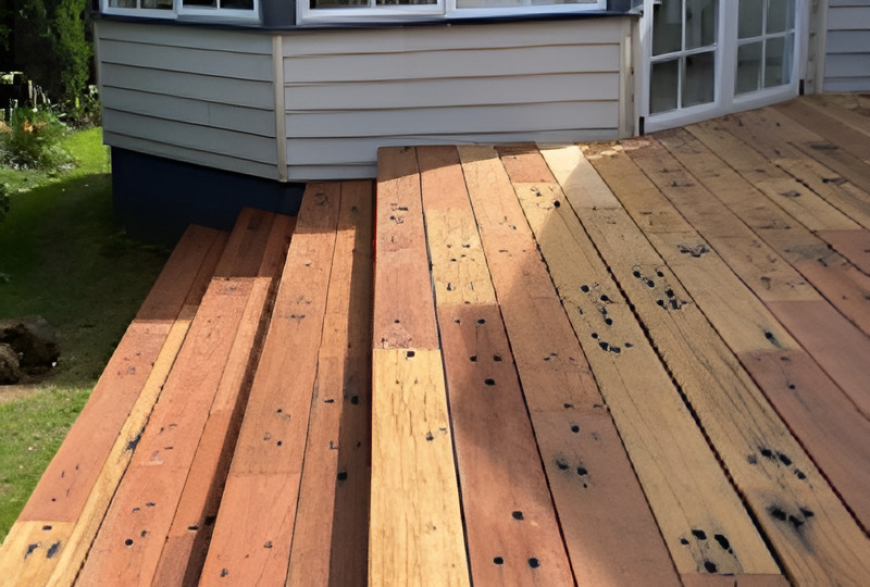
H2-treated pine has become a popular choice for indoor work, especially when you want to keep termites out. If you pick the wrong pine, your building project might not last as long as you hope. What exactly is H2-treated pine good for? Where shouldn’t you use it? Let us find answers to these questions.
What is H2-treated pine?
Realise the fact that H2 treated pine is primarily softwood. Then, it is soaked with preservatives that keep termites away. The H grading is all about how much exposure the timber can handle. H2 means it is made for inside jobs, up off the ground, where termites might wander, but things generally stay dry. It is not built for rain, leaks, or muggy conditions. Builders reach for these products because they are affordable and ensure excellent termite protection.
Where does it work?
H2 pine is made for dry, enclosed spaces. Consider internal structural framing, basically, anywhere termites might show up, but water cannot. Here are the jobs it handles best:
- Wall frames inside the home
- Roof trusses
- Ceiling battens
- Floor joists in dry, closed-in spaces
- Wall studs and supports indoors
You get solid termite resistance when using H2 timber. However, this benefit stays only as long as the pine remains dry and is not exposed to the elements.
Where can you use H2 pine?
The main thing with H2 treated pine is how well it works for pretty much any indoor construction.
Building new homes
When framing out a house, H2 pine can be used in walls and under roofs. Those parts are locked inside, safe from rain and humidity.
Renovations and extensions
Do you have a remodel project or want to add on a room? H2 timber makes sense for internal framing, especially if termites are a local headache.
Internal flooring
Floor joists inside a home or other closed building can also use H2, as long as everything stays ventilated and dry.
Where should you avoid H2-treated pine?
Since H2 works great indoors, never assume that you can use it everywhere. It’s not built for damp or outdoor spots. You should consider other options for decks, pergolas, fences, garden beds or borders, retaining walls and outdoor seating. Rain, humidity, and changing seasons will damage H2 timber.
Don’t use this timber when there is direct ground contact.
Never stick H2 pine right in the soil. Dirt brings moisture, bugs, and rot. H2 doesn’t have the right chemicals for that. If you are putting posts or timbers into the ground, you want H4 or H5-rated pine,
Avoid it in wet indoor areas.
Don’t use H2-treated pine in bathrooms that never really dry out or leaky wall cavities. You cannot use them in musty storage rooms or under-floor areas that stay damp. If you are expecting leaks or high humidity, step up to a tougher treatment level.
Conclusion
If you use H2 pine somewhere it doesn’t belong, you’ll see problems fast. Timber breaks down, loses its strength, and starts costing you more in repairs. You can also expect water damage and structural headaches over time. When you match the right wood grade to your job, you actually get a structure that lasts.