Getting Started with Paper Trading Using the Best Futures Platforms
 Johnsmithsteps
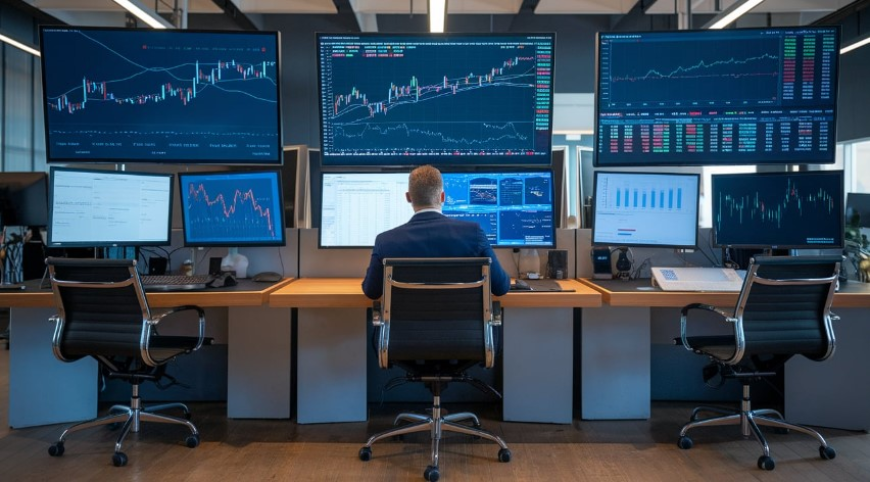
The financial markets are dynamic, offering endless opportunities for traders to test their strategies, learn the nuances of trading, and fine-tune their approach before committing real capital. For many beginners, the most accessible way to do this is through paper trading, a simulation of real-world trading that doesn’t carry the same risks. Paper trading allows you to practice trading futures contracts on the best futures trading platforms without financial consequences, building both confidence and skill.
In this article, we’ll explore how to start paper trading, the benefits it offers to novice and experienced traders alike, and review some of the best futures trading platforms available today.
What is Paper Trading?
Paper trading, sometimes referred to as virtual trading, involves simulating the buying and selling of assets without using real money. It’s essentially a mock-up of real trading, where users create “paper” trades by placing orders based on the current market conditions. These trades are executed on virtual accounts and allow traders to track their performance, refine their strategies, and experience the emotional side of trading without the risk of losing real money.
In futures trading, paper trading helps individuals understand market behavior, learn how to read charts, and practice risk management strategies without the emotional pressure of losing actual funds. This practice can be an invaluable tool for anyone looking to venture into the high-stakes world of futures trading.
Why Should You Paper Trade?
Before diving into how to start paper trading, it’s important to understand why it’s worth considering. Below are some of the main advantages of using paper trading as part of your learning process:
1. Risk-Free Learning Environment
The most apparent benefit of paper trading is that there is no financial risk involved. As a beginner, this can be crucial to avoiding unnecessary losses while learning the ropes. It allows you to test various strategies and evaluate market movements without the emotional burden of risking your hard-earned capital.
2. Test Strategies Before Real Trading
Every trader has their own approach, and not every strategy will work in every market condition. Paper trading lets you test your trading ideas and fine-tune your strategies without any financial consequences. If a particular strategy fails, you can analyze why it didn’t work and make adjustments before you apply it with real funds.
3. Emotional Preparation
Trading can be an emotional roller coaster. The fear of loss, the excitement of winning, and the pressure to make quick decisions are all part of the experience. Paper trading simulates these emotions in a risk-free environment, allowing you to gain emotional resilience and learn how to cope with market volatility.
4. Learning Market Mechanics
Paper trading can help you learn how to read charts, identify key technical indicators, and understand how different market events affect price action. You can gain practical experience in futures contracts, margin trading, and order execution—all essential aspects of a successful trading career.
5. Build Confidence
Starting with paper trading helps build your confidence as a trader. When you see that your trades are successful (even if they’re not using real money), you start to believe in your ability to navigate the markets. This confidence is essential when you move to live trading.
How to Start Paper Trading
Starting paper trading is relatively easy, and most best futures trading platforms provide this feature. Here’s a step-by-step guide on how to start paper trading:
Step 1: Choose the Right Futures Trading Platform
The first step is to select a futures trading platform that offers paper trading features. Not all trading platforms are the same, and choosing the right one for your needs is crucial. Look for platforms that have a user-friendly interface, educational resources, and strong simulation tools.
Some of the best futures trading platforms for paper trading include:
-
TD Ameritrade’s ThinkorSwim: Known for its comprehensive paper trading features, ThinkorSwim offers an advanced simulated trading environment with a wide range of analysis tools and real-time data.
-
NinjaTrader: This platform offers both demo trading and real-time market simulations. It’s ideal for futures traders who want access to extensive charting and backtesting features.
-
Interactive Brokers: Known for its low fees and global reach, Interactive Brokers offers a paper trading account that mimics real-life market conditions.
-
TradeStation: Offers a robust paper trading environment with access to market data, automated trading strategies, and high-level charting tools.
Step 2: Open a Paper Trading Account
Once you’ve chosen a platform, open a paper trading account. Most platforms make this process straightforward. You’ll typically be required to fill in some personal information, but there’s no financial commitment since you’re using a simulated account.
Step 3: Set Your Trading Objectives
Before you start placing trades, take some time to set clear trading objectives. Are you aiming to learn the basics of futures trading? Do you want to test a specific strategy or trading style? Setting specific goals will help you stay focused and measure your progress.
Step 4: Start Practicing
Now that you’ve set up your account, you’re ready to begin trading. Start by placing virtual trades based on the current market prices, keeping track of your gains and losses. Monitor how different futures contracts perform and use the platform’s analysis tools to evaluate your trades.
Step 5: Track Your Performance
As you begin paper trading, it’s important to track your performance. Most platforms provide tools to review your trades, including win rates, average gains, and losses. This data can help you fine-tune your strategy and identify areas for improvement.
Step 6: Transition to Live Trading (When Ready)
Once you feel confident with your paper trading account and have a strategy in place, it may be time to consider moving to live trading. Keep in mind that the transition from paper trading to real money trading can be an emotional shift. The stakes are higher, and the psychological pressure will increase. Start small, test your strategies, and gradually scale your trades.
The Best Futures Trading Platforms for Paper Trading
Now that you know how to start paper trading, let’s review some of the best futures trading platforms that offer excellent paper trading capabilities.
1. TD Ameritrade ThinkorSwim
ThinkorSwim by TD Ameritrade is widely regarded as one of the best trading platforms for both paper trading and real trading. It provides a fully featured paper trading environment, with access to a wide range of futures contracts. You can practice using advanced charting tools, create custom indicators, and place simulated trades based on live market conditions.
2. NinjaTrader
NinjaTrader is another great choice for futures traders. It offers a simulated trading environment with real-time data and advanced charting. The platform also supports automated trading strategies and allows you to backtest your strategies using historical data, making it an excellent choice for traders who want to refine their strategies before going live.
3. Interactive Brokers
Interactive Brokers offers a robust paper trading environment for futures traders. It provides access to an extensive range of global markets and contracts, as well as advanced trading tools. While the platform can be complex for beginners, it’s perfect for traders looking for a comprehensive suite of features and low fees.
4. TradeStation
TradeStation is well-suited for futures traders who want a highly customizable platform. It offers a range of charting tools, trading indicators, and risk management features. The paper trading account simulates real-time market conditions, and it’s particularly useful for those who want to test more advanced strategies.
5. E*TRADE
E*TRADE provides a user-friendly platform that supports paper trading in futures contracts. The platform also offers comprehensive educational resources, making it a good choice for beginners who want to learn the basics of futures trading in a risk-free environment.
Conclusion
Paper trading is an essential practice for anyone looking to enter the world of futures trading. Whether you’re a complete beginner or an experienced trader testing new strategies, paper trading offers a risk-free environment to learn, practice, and perfect your trading skills. By using one of the best futures trading platforms, you can simulate real market conditions, track your performance, and build the confidence necessary to transition to live trading.