From Lab-Grade to Medical-Grade: Understanding Hydroxyapatite Costs
Let’s break down the pricing structure, production nuances, and application value of each category.
 tslceramat
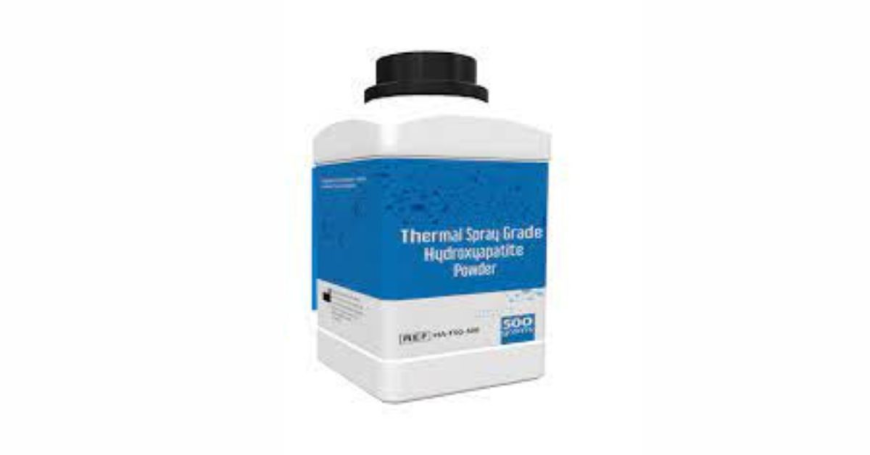
Hydroxyapatite (HA)—a naturally occurring mineral form of calcium apatite—has carved a vital niche in industries ranging from biomedical engineering to cosmetic science. But when it comes to understanding hydroxyapatite costs, not all HA is created equal. The price of this compound can vary dramatically depending on its grade, purity, application, synthesis method, and regulatory standards.
Whether you're a biomedical manufacturer, dental material supplier, or research facility, knowing the difference between lab-grade and medical-grade hydroxyapatite is critical. Understanding this distinction not only impacts product performance but also plays a significant role in managing hydroxyapatite cost effectively. Let’s break down the pricing structure, production nuances, and application value of each category.
What is Hydroxyapatite?
Hydroxyapatite (Ca₁₀(PO₄)₆(OH)₂) is the primary mineral component of human bones and teeth. This biocompatible, osteoconductive material has gained significant popularity due to its ability to:
-
Integrate with bone tissue
-
Support dental implants
-
Aid bone regeneration
-
Enhance oral care products
-
Act as a drug delivery platform
Its chemical resemblance to human hard tissue makes hydroxyapatite a favored choice across medical and scientific applications.
Hydroxyapatite Grades: Key Differentiators
Understanding cost starts with understanding the grading system. Here's how hydroxyapatite is generally categorized:
1. Lab-Grade Hydroxyapatite
-
Purity Level: ~90–98%
-
Usage: Academic research, material science experiments, non-human trials
-
Production: Lower-cost synthesis methods (e.g., wet chemical precipitation)
-
Regulatory Compliance: None to minimal
-
Sterility: Not required
2. Industrial-Grade Hydroxyapatite
-
Purity Level: 85–95%
-
Usage: Cosmetics, paints, ceramics, filters
-
Cost: Moderate
-
Certification: May lack biocompatibility validation
3. Medical-Grade Hydroxyapatite
-
Purity Level: ≥99%
-
Usage: Bone grafts, orthopedic implants, dental implants, drug delivery systems
-
Production: Ultra-pure synthesis, rigorous post-processing
-
Regulatory Compliance: Meets ISO 10993, USP, FDA, or CE standards
-
Sterility: Required or sterilized post-synthesis
Cost Comparison: Lab-Grade vs. Medical-Grade Hydroxyapatite
| Grade | Purity (%) | Applications | Average Cost (USD/kg) |
|---|---|---|---|
| Lab-Grade | 90–98% | Research, prototyping | $100–$300 |
| Industrial-Grade | 85–95% | Cosmetics, filters, ceramics | $50–$200 |
| Medical-Grade | ≥99% | Dental & orthopedic implants, grafts | $500–$2,000+ |
Prices fluctuate based on factors like:
-
Particle size (nano vs. micro)
-
Synthesis method (synthetic, bovine-derived, coral-based)
-
Volume ordered
-
Packaging and storage
-
Sterilization
Why Is Medical-Grade Hydroxyapatite So Expensive?
The elevated cost of medical-grade HA is due to:
1. Ultra-High Purity Standards
-
Contaminants like heavy metals, silicates, and non-stoichiometric calcium must be eliminated.
-
Requires advanced equipment like vacuum sintering ovens and atomic absorption spectrometers.
2. Stringent Regulatory Compliance
-
Must meet FDA and ISO standards for biocompatibility.
-
Testing includes cytotoxicity, genotoxicity, pyrogenicity, and hemocompatibility.
3. Consistency & Sterility
-
Batch-to-batch uniformity is essential for implantation use.
-
Often sterilized using gamma irradiation or ethylene oxide, adding to post-production costs.
4. Specialized Synthesis Techniques
-
Methods like hydrothermal synthesis, sol-gel processing, and spray drying are used to ensure precise particle morphology and surface area control.
Lab-Grade Hydroxyapatite: Affordable but Limited
For researchers and developers, lab-grade HA offers a cost-effective entry point for non-clinical applications. It's ideal for:
-
Coating studies
-
Scaffold development
-
Non-animal trials
-
Material compatibility testing
However, it cannot be used in human or animal implantation scenarios, nor does it meet the standards for therapeutic use.
Factors Influencing HA Pricing Across All Grades
✅ Particle Size
-
Nano-HA offers higher bioactivity and surface area, priced 2–3x higher than micro-HA.
✅ Source Material
-
Synthetic HA (chemically produced) is more consistent and cheaper in bulk.
-
Biogenic HA (from coral, bovine, or eggshell) mimics natural bone but costs more due to purification.
✅ Packaging and Delivery
-
Custom packaging for sterilized HA can add 10–20% to base cost.
-
Cold-chain logistics for medical-grade HA increases shipping expenses.
✅ Customization
-
Tailored surface area, porosity, or composite blends (e.g., HA + collagen) attract premium pricing.
Applications and ROI by Grade
| Application | Recommended Grade | Value Proposition |
|---|---|---|
| Dental toothpaste | Industrial | Cost-effective whitening and remineralization |
| Bone scaffold R&D | Lab | Experimentation without regulatory barriers |
| Dental implant coating | Medical | FDA-compliant, proven osseointegration |
| Drug delivery matrix | Medical | Controlled degradation, biocompatibility |
| Ceramic or filter material | Industrial | Affordable, low-risk applications |
Tips Before Purchasing Hydroxyapatite
-
Define your application clearly – Research? Implant? Oral care?
-
Check certification levels – For implants, ask for ISO/FDA data sheets.
-
Request particle size distribution – Nano powders behave very differently.
-
Evaluate per-gram cost vs. long-term ROI – Especially in medical devices.
-
Ask for sample batches – Test compatibility before committing to a supplier.
Conclusion: Choose Wisely for Performance and Compliance
The journey from lab-grade to medical-grade hydroxyapatite is not just about purity—it's about purpose. A cost-effective lab-grade HA might suffice for testing or prototyping, but only medical-grade hydroxyapatite ensures regulatory, surgical, and patient safety success.
Investing in the right grade of hydroxyapatite isn't just a financial decision—it's a strategic move for innovation, reliability, and compliance.