Facial Scar Revision in Dubai | Complete Guide
Expert Facial Scar Revision in Dubai at Tajmeels Clinic. A complete guide to reducing scars and restoring smooth, natural-looking skin.
 Tajmeel_Clinic
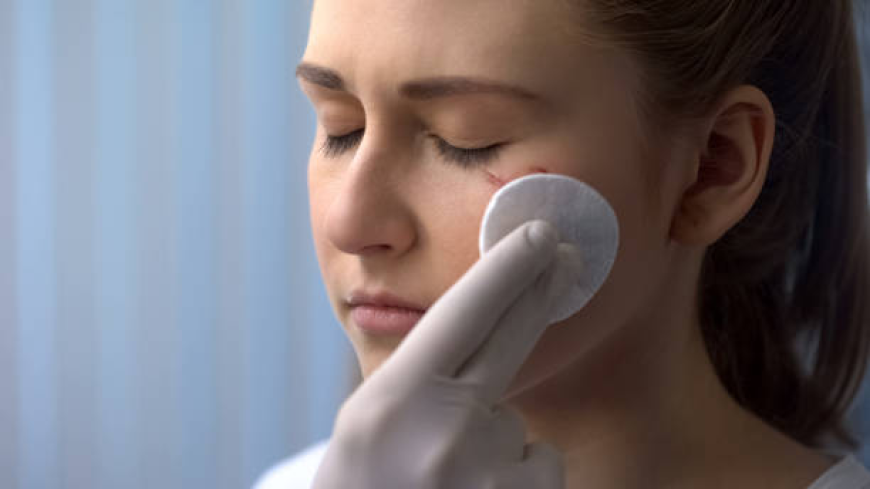
Facial scars can be a constant reminder of past injuries, surgeries, or skin conditions, affecting not only appearance but also self-confidence. Whether you have an acne scar that has lingered for years, a surgical scar that healed poorly, or a traumatic scar that has changed the texture of your skin, the desire to minimize its appearance is understandable. Facial scar revision offers a range of techniques designed to improve the appearance of scars, making them less noticeable and more harmonious with the surrounding skin. This guide explores everything you need to know about Facial Scar Revision in Dubai, from the types of scars that can be treated to the recovery process and beyond.
What Is Facial Scar Revision in Dubai and How Does It Work?
Facial scar revision encompasses a variety of surgical and non-surgical techniques aimed at improving the appearance of scars on the face.
Understanding Scar Revision Techniques
Scar revision is not a one-size-fits-all approach. The technique used depends on the type, size, and location of the scar, as well as your skin type and healing history.
-
Surgical Excision: The scar is surgically removed, and the wound is closed with fine sutures to create a less noticeable scar.
-
Z-Plasty and W-Plasty: These techniques involve repositioning the scar to make it less visible and more aligned with natural skin folds.
-
Laser Scar Revision: Laser treatments resurface the skin, smoothing the texture and reducing the redness or pigmentation of the scar.
-
Dermabrasion: The top layers of skin are removed to smooth the surface and blend the scar with surrounding skin.
-
Steroid Injections: Used for hypertrophic or keloid scars to flatten and soften the raised tissue.
The Science of Scar Healing and Remodeling
When the skin is injured, the body produces collagen to repair the wound. The resulting scar tissue is often different in texture, color, and elasticity compared to the surrounding skin. Scar revision aims to remodel this tissue, encouraging the body to produce new collagen in a more organized pattern. This process results in a scar that is flatter, smoother, and less noticeable.
Am I a Good Candidate for Facial Scar Revision in Dubai?
Not every scar can be completely erased, but most can be significantly improved. A thorough consultation is essential to determine if you are a good candidate.
Signs You May Benefit from Scar Revision
You may be a good candidate if you have:
-
Surgical Scars: Scars from previous facial surgeries that are raised, depressed, or discolored.
-
Acne Scars: Atrophic or depressed scars that create an uneven skin texture.
-
Trauma Scars: Scars from injuries, cuts, or burns that have healed poorly.
-
Hypertrophic or Keloid Scars: Raised scars that are thick and may be itchy or painful.
-
Self-Consciousness: You feel uncomfortable or embarrassed about the appearance of your scar.
Types of Scars That Can Be Treated
-
Atrophic Scars: Depressed or sunken scars, often caused by acne or chickenpox.
-
Hypertrophic Scars: Raised, red scars that remain within the boundaries of the original wound.
-
Keloid Scars: Raised scars that extend beyond the original wound and may continue to grow.
-
Surgical Scars: Linear scars from previous procedures.
-
Traumatic Scars: Scars from injuries or burns.
The Facial Scar Revision in Dubai Procedure: What to Expect
Understanding the procedure step by step helps alleviate anxiety and prepares you for the journey.
Step-by-Step Breakdown of the Treatment
-
Consultation: The surgeon will assess your scar, discuss your goals, and determine the most appropriate technique.
-
Preparation: The treatment area is cleansed, and markings are made to guide the procedure.
-
Anesthesia: Depending on the technique, local anesthesia with sedation or general anesthesia may be used.
-
Procedure: The chosen technique is performed—excision, laser, dermabrasion, or injection.
-
Closure: If surgical, the incisions are closed with fine sutures.
Anesthesia and Technique Selection
-
Anesthesia: Local anesthesia with sedation is common for most scar revision procedures. General anesthesia may be used for more extensive revisions.
-
Technique Selection: The surgeon will choose the technique based on the type of scar, its location, and your skin type.
Recovery Timeline After Facial Scar Revision in Dubai
Recovery is a crucial phase that requires patience and proper care.
The First 7 Days (Downtime Reality)
The first week after treatment involves the most significant healing.
-
Day 1-3: You may have bandages, and you will experience swelling, redness, and mild discomfort. Cold compresses can help reduce these symptoms.
-
Day 4-7: Swelling and redness begin to subside. Sutures are typically removed within 5 to 7 days.
Managing Discomfort, Swelling, and Scar Healing
-
Cold Compresses: Apply cold compresses for the first 48 hours to reduce swelling.
-
Pain Relief: Over-the-counter pain relievers, such as acetaminophen, can help manage discomfort.
-
Keep the Area Clean: Keep the treatment area clean and dry to prevent infection.
-
Sun Protection: Protect the treated area from sun exposure to prevent pigmentation changes.
Results and Long-Term Outcomes of Facial Scar Revision in Dubai
Understanding the longevity of results and the appearance of scars is essential.
When Will You See Final Results?
The final results of scar revision are not immediate. It takes time for the swelling to fully subside and for the scar tissue to remodel.
-
Initial Results: You will notice a significant improvement within the first few weeks.
-
Final Results: The complete results are typically visible after 6 to 12 months.
How Long Do Results Last and Will Scars Reappear?
The results of scar revision are generally long-lasting. However, scars can change over time due to aging, sun exposure, or other factors.
Scar Maturation: The scar will continue to mature and improve over the first year. Proper skincare and sun protection can help maintain the results.
Risks, Safety, and Contraindications for Facial Scar Revision in Dubai
Facial scar revision is generally safe, but it is important to be aware of the potential risks.
Common Side Effects and How to Manage Them
-
Swelling and Redness: These are expected and can be managed with cold compresses.
-
Discomfort: Mild discomfort is normal and can be managed with prescribed medication.
-
Scarring: While the goal is to improve the scar, some scarring is inevitable. Proper care helps minimize its appearance.
Who Should Avoid This Procedure?
Facial scar revision is not recommended for individuals with:
-
Active skin infections.
-
Uncontrolled medical conditions, such as diabetes.
-
A history of poor wound healing.
-
Unrealistic expectations.
Facial Scar Revision in Dubai vs. Non-Surgical Alternatives
Many patients wonder if they can achieve similar results without surgery.
Comparing Surgical and Non-Surgical Scar Treatments
| Treatment | Pros | Cons | Suitability |
|---|---|---|---|
| Surgical Revision | Long-lasting, can address various scar types | Surgical, requires downtime | Moderate to severe scars |
| Laser Resurfacing | Non-invasive, improves texture | Multiple sessions, temporary | Texture and pigmentation issues |
| Microneedling | Non-invasive, stimulates collagen | Temporary, multiple sessions | Mild to moderate scars |
| Topical Treatments | Easy to use | Limited effectiveness | Very mild scars |
Frequently Asked Questions About Facial Scar Revision in Dubai
1. Is facial scar revision painful?
The procedure is performed under anesthesia, and post-operative discomfort is manageable with prescribed medication.
2. How long does the procedure take?
The duration depends on the technique and the size of the scar, typically ranging from 30 minutes to 2 hours.
3. When can I return to work?
Most patients return to work within 1 to 2 weeks, depending on the extent of the procedure.
4. Will there be visible scars after revision?
The goal is to create a less noticeable scar. Some scarring is inevitable, but it is significantly improved.
5. Can scar revision completely erase a scar?
No, but it can significantly improve the appearance, making the scar less noticeable and more blended with the surrounding skin.
6. How many sessions are needed?
Some techniques, such as laser or microneedling, may require multiple sessions.
7. Is the procedure covered by insurance?
Scar revision may be covered if the scar causes functional impairment. Cosmetic scar revision is generally not covered.
8. What is the recovery like?
Recovery involves temporary swelling, redness, and mild discomfort. Most patients can resume normal activities within two weeks.
9. Can scar revision be combined with other procedures?
Yes, scar revision is often combined with other facial procedures for comprehensive rejuvenation.
10. How do I choose a surgeon for scar revision?
Choose a board-certified surgeon with extensive experience in scar revision. Review their credentials, before-and-after photos, and patient testimonials.
Conclusion: A Path to Smoother, More Confident Skin
Facial scars can be a source of frustration and self-consciousness, but scar revision offers a path to smoother, more confident skin. By understanding the procedure, recovery, and risks, you can make an informed decision about your treatment. Whether you have an acne scar, a surgical scar, or a traumatic scar, facial scar revision can help you achieve a more balanced, natural appearance.
At Tajmeels Clinic, we are committed to providing the highest standard of care in facial scar revision. Our experienced surgeons use advanced techniques to deliver natural-looking results tailored to your individual needs. We invite you to schedule a consultation and discover how scar revision can restore your confidence and help you put your best face forward. Your journey to smoother skin begins here.