Everest Base Camp Trek How to Hire Porters and Services
Learn how to hire porters for the Everest Base Camp Trek, including costs, services, benefits, and tips for choosing reliable support staff.
 aalex21
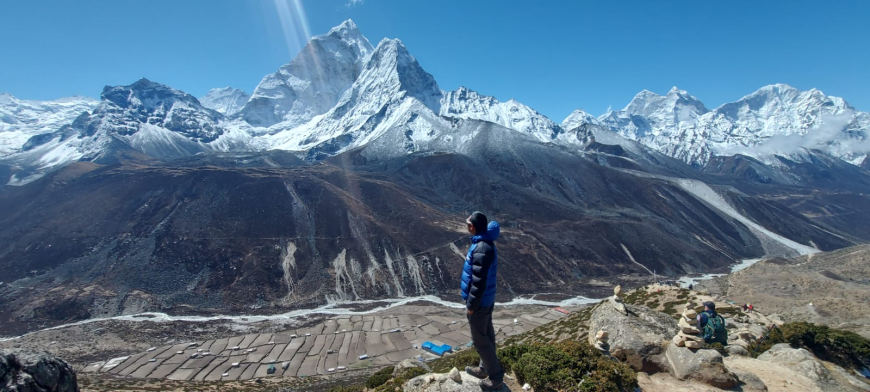
Most people trekking to Everest Base Camp decide to bring along a guide or porter. Though it is possible to walk the path alone, heading up toward the tallest peak on Earth feels smoother with help nearby. Someone who knows the way handles details, watches out for danger, keeps things running when weather shifts. The mountains test even strong walkers - extra support often means fewer surprises.
What a Trekking Guide Is?
Someone who knows the Everest Base Camp trail well walks ahead of groups to keep them on track. That person sorts out where people sleep, helps get papers ready, while handling talks with locals. When the path reaches Namche Bazaar, stories come alive - details about how Sherpas live, what peaks mean, why certain paths matter. These moments turn steps into something heavier than just walking.
Who Is a Porter?
Carrying heavy loads falls to porters, letting trekkers move with smaller packs. Because of this help, hikes feel easier on the body, particularly up high where air gets thin - places such as Dingboche. When paths grow steep and trails turn rough, these workers push through without slowing down. Energy stays higher for travelers since they’re not weighed down mile after mile. Strength and skill shape each porter’s role in tough mountain zones.
Why People Hire Guides
When you hire a guide, the journey feels safer and less overwhelming. Health checks happen regularly because guides keep close watch on how everyone is coping. Instead of guessing rest times, they follow smart pacing plans that help bodies adjust to height. If something goes wrong, they know what steps to take without delay. Even quiet radios don’t stop them - they find ways to relay messages clearly. Out where peaks tower above valleys near Kala Patthar, their choices often shape outcomes more than gear ever could.
Hiring a Porter Offers Practical Support
Walking feels easier when someone else takes the weight. Because of that, legs stay fresh over steep climbs and rough downhill paths. Scenery catches the eye better when shoulders aren’t strained by bulky gear. Fewer aches show up by day's end thanks to balanced effort across the body.
Guide and Porter Service Costs
Most times, price shifts based on skill level, time of year, so what's covered. Leading trips usually costs extra compared to just hauling gear due to route knowledge plus emergency help. Sometimes one person handles guiding along with pack transport, bundling both into a single role.
Guides and Porters Hiring Locations
Out on the trails near Lukla, help comes easy - guides show up ready, trained right, backed by coverage. Kathmandu offers them too, just a call away from busy streets. When names appear on official lists, it means rules are followed, people get paid fair, risks drop low. Safety grows when choices link to legit offices, not roadside deals.
Safety and Responsibility
Choosing fair ways to hire matters more than most think. Well-outfitted guides show a company respects its workers. Fair pay comes through consistent support, not promises. Insurance coverage means protection when things go wrong. Local villages gain strength when tourism dollars stay close. Better work conditions start with simple respect, nothing hidden. Trekkers get safer journeys when teams behind them are treated right.
Communication and Language Help
Most guides know both English and native tongues, so talking with teahouse keepers comes naturally. In places such as Namche Bazaar, that ease with words opens doors during village walks. While porters might not share fluent English, their feet already know every rocky turn by heart.
When You Can Skip the Guide
Some seasoned hikers, sure of their route-finding skills and stamina, head out alone. Still, a few grab help from porters when they want less hassle. It really comes down to how much trail time someone has had, what they can spend, plus what feels right to them.
Final Thoughts On Guides And Porters
Most people climbing to Everest Base Camp rely on guides and porters without even realizing it. When paths get steep or weather shifts fast, these locals step in - calm, surefooted, ready. Moving through Namche Bazaar’s crowded lanes or quiet alpine passes, someone always knows the way. Their knowledge comes from years lived close to the mountains, not books or training sessions. Comfort follows where they lead, tents go up faster, meals appear despite cold fingers. Even small talk turns into moments that stick - stories about storms, old trails, family homes near Kala Patthar. Without them, the trek feels heavier, slower, less connected. Each footstep forward often rests on quiet support most never see.