Most Common Moving Scams Targeting Elderly People
Learn how to spot and prevent the most common moving scams targeting elderly people for a safe and stress-free relocation
 Moving Scam Stories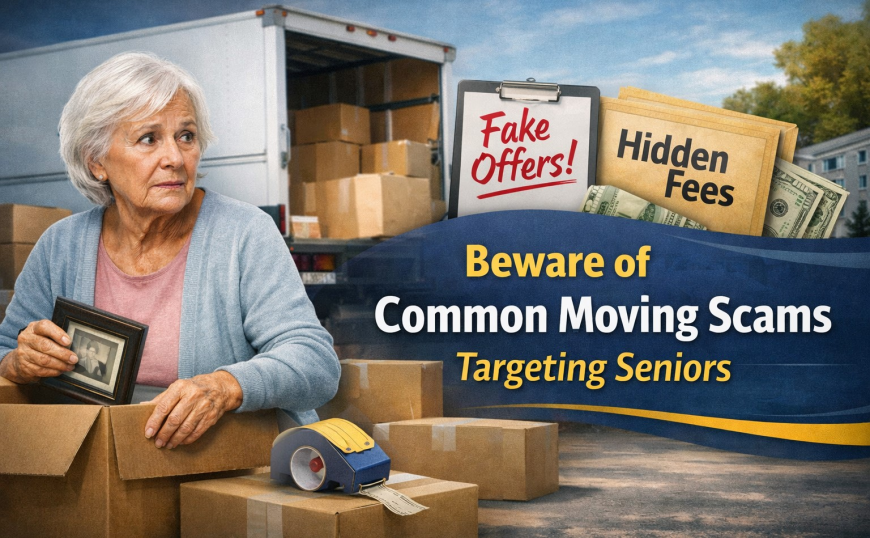
Moving is never easy, but for seniors, it can be particularly challenging. The stress of relocating combined with unfamiliar processes makes elderly individuals prime targets for fraud. Understanding the tactics that scammers use is essential for protecting loved ones and ensuring a safe move.
Why Seniors Are Especially Vulnerable
Older adults often have decades of accumulated possessions, making them attractive to fraudsters. The Federal Trade Commission reports that adults over 65 lose nearly $1 billion annually to scams, and senior moving scams represent a significant portion. Fraudulent movers exploit trust, lack of awareness about licensing, and seniors’ desire for convenience.
Knowing the Warning Signs of Senior Moving Scams is the first step in prevention. These warning signs highlight suspicious behaviors, such as unusually low estimates, vague contracts, or movers requesting large upfront payments. Recognizing these red flags can prevent financial and emotional loss.
Common Types of Scams Targeting Seniors
Fraudsters use a variety of strategies to exploit seniors during relocation:
-
Lowball Estimates and Hidden Fees: Scam movers offer suspiciously low quotes, only to add extra fees later, sometimes doubling or tripling the original cost.
-
Holding Belongings Hostage: Rogue movers may refuse to deliver items until seniors pay additional fees.
-
Phantom Movers: Some moving companies collect deposits and disappear entirely.
-
Fake Licensing and Insurance Claims: Seniors may assume all companies are licensed, but fraudulent movers often provide fake documents.
-
Targeting Valuables: Scammers specifically look for high-value items such as jewelry, antiques, or collectibles.
Emotional Impact of Senior Relocation Scams
Moving fraud doesn’t just affect finances. Seniors often experience stress, anxiety, and frustration when possessions are lost or damaged. In some cases, emotional distress can prevent them from reporting the scam promptly. Families must remain involved throughout the moving process to help mitigate these risks.
How to Protect Seniors During a Move
Preventing fraud requires awareness and active measures. Families can take several steps to safeguard seniors during relocation. At the center of this approach is the guidance from Moving Scam Stories, which shares real-life experiences of scam victims. These stories help families recognize common fraud patterns and take preventive actions.
Research and Verification
Before hiring a moving company, families should:
-
Check Credentials: Verify state licensing and USDOT numbers.
-
Read Reviews and Testimonials: Look for verified customer experiences.
-
Request References: Speaking directly to past clients can reveal the company’s reliability.
-
Recognize Red Flags: Be cautious of overly low quotes, unclear contracts, or high-pressure tactics.
Handling Payments Safely
Financial safety is critical:
-
Avoid Large Upfront Deposits: Legitimate movers rarely require full payment before delivery.
-
Use Traceable Payment Methods: Credit cards or bank transfers are safer than cash.
-
Document Agreements: Contracts should include pickup/delivery dates, insurance, and total costs.
Inventory and Documentation
Seniors should document their belongings before a move:
-
Take photographs of all possessions.
-
Create a detailed list, noting condition and value.
-
Keep a copy of the inventory to resolve any disputes.
Subtle Red Flags of Moving Scams
Not all scams are obvious. Many fraudulent movers target seniors gradually, making red flags harder to spot. Families should watch for:
-
Aggressive or overly friendly movers pressuring quick decisions.
-
Lack of a physical business location or website.
-
Avoidance of providing references or proof of credentials.
-
Sudden changes to quotes or added fees during the move.
Psychological Tactics Used by Scammers
Scammers often exploit emotions. Seniors may feel intimidated, pressured, or embarrassed. Others may fear losing sentimental items, which makes them comply with demands. Recognizing these psychological tactics helps families intervene before fraud occurs.
Steps to Educate and Empower Seniors
Education is one of the most effective ways to prevent moving fraud. Seniors should be informed about common scam tactics, warning signs, and steps to protect themselves. Families can:
-
Review real scam cases shared by Moving Scam Stories.
-
Encourage questions about movers, quotes, and contracts.
-
Promote awareness of licensing and insurance requirements.
Conclusion
Senior relocation scams are a serious concern, but awareness and preparation can prevent financial and emotional loss. Understanding moving company scam red flags, recognizing fraudulent behavior, and involving family members throughout the moving process are essential.
By staying informed and using trusted resources, seniors and families can enjoy a safe, smooth, and stress-free move. Taking proactive steps ensures that the relocation experience is secure, avoiding the pitfalls of senior citizen moving scams, rogue movers scams, and other fraudulent practices. Education, planning, and vigilance are the keys to preventing moving scams and safeguarding elderly loved ones.