Everest Base Camp Trek by Season | Weather Guide & Best Time to Visit 2026
Plan your Everest Base Camp trek with our comprehensive seasonal breakdown. Discover ideal months, weather patterns, trail conditions, and expert tips for spring, summer, fall, and winter trekking in Nepal's Himalayas.
 jay66
jay66
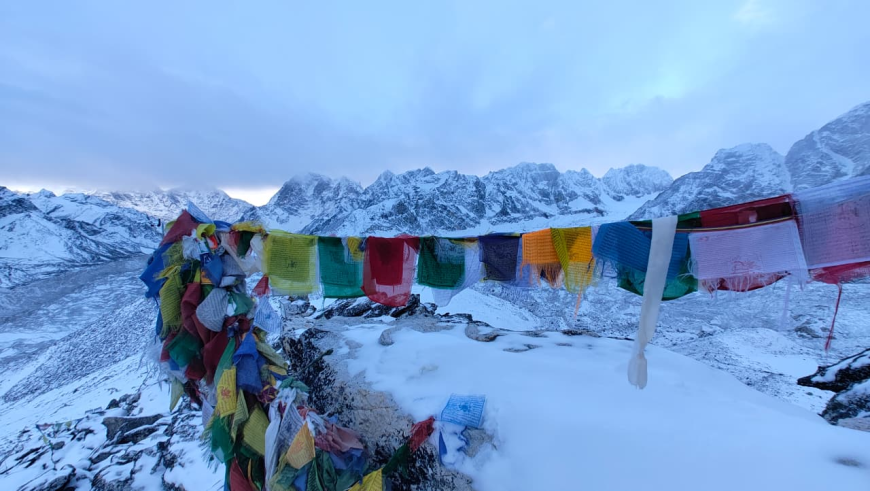
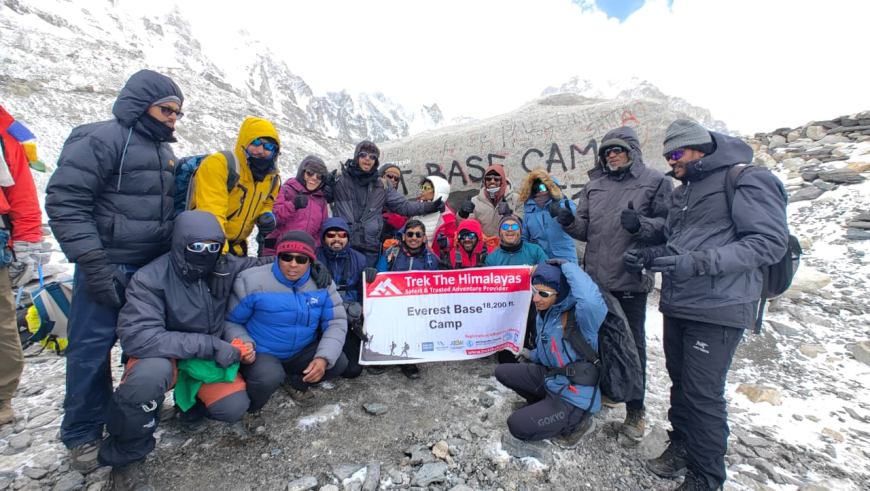
When is the best time to trek to Everest Base Camp? September through November (autumn) offers the optimal trekking window with clear skies, stable weather, and excellent mountain visibility. March to May (spring) ranks as the second-best season, featuring blooming valleys and pleasant daytime temperatures. Monsoon (June-August) suits solitude seekers despite muddy trails, while winter (January-February) appeals to experienced adventurers prepared for extreme cold and snow.
Table of Contents
- Table of Contents
- Winter Trekking: January-February
- Spring Adventure: March-May
- Monsoon Trails: June-August
- Autumn Peak Season: September-November
- Seasonal Comparison Matrix
- How to Choose Your Season
- Internal Linking Strategy
- People Also Ask
- Frequently Asked Questions
Understanding Everest's Seasonal Patterns {#seasonal-patterns}
Located in Nepal's Khumbu region at altitudes ranging from 2,580 meters to 5,364 meters, the Everest Base Camp Trek routes through one of Earth's most dynamic climate zones. The trek's weather follows predictable monsoon patterns shaped by the Indian subcontinent's geography and the Himalayan barrier effect.
Throughout the year, the region experiences four distinct seasonal phases, each delivering a dramatically different trekking experience. Your choice of season ultimately determines not just your daily comfort level, but also the quality of scenery, social atmosphere, physical challenges, and the stories you'll carry home.
Why Timing Matters More Than You Think
Many first-time trekkers underestimate how profoundly season selection influences their experience. A trek during optimal conditions might feel manageable at moderate fitness levels, while the same route during unfavorable seasons can overwhelm even experienced mountaineers. Beyond personal comfort, seasonal timing affects trail maintenance, accommodation availability, visibility for photography, and interaction opportunities with local Sherpa communities.
Winter Trekking: January-February {#winter-trekking}
The Magic of Frozen Landscapes
Winter descends on the Khumbu with dramatic intensity. From January through February, nighttime temperatures at higher camps like Gorak Shep plunge below -20°C, while daytime readings in lower valleys barely climb above freezing even under bright sunshine. Yet this harsh season paradoxically offers some of the region's most spectacular rewards.
Fresh powder blankets the entire landscape after regular snowfalls, transforming familiar ridgelines and valley approaches into unrecognizable winter territories. The thin, crystalline air of winter—cleansed by cold and free from summer dust and moisture—creates visibility so exceptional that Mount Everest's summit pyramid appears as though suspended within arm's reach, despite lying 40+ kilometers distant.
The Solitude Factor
Winter trekking delivers an almost monastic quality to the experience. While spring and autumn see thousands of trekkers streaming through villages, winter trails remain remarkably sparse. You'll encounter perhaps a handful of international visitors daily, compared to 200-300 during peak seasons. This profound quietness allows genuine connection with mountain landscapes and local communities, free from the commerce-driven atmosphere of busy seasons.
Practical Winter Considerations
The solitude comes with serious logistical strings attached. Many teahouses and lodges close seasonally, concentrating accommodation in main villages. This reduces flexibility in your daily itinerary and requires stricter advance planning.
Essential winter gear includes:
- 4-season insulated sleeping bags (rated to -15°C minimum)
- Technical base layers (merino wool or synthetic, never cotton)
- Multiple insulating mid-layers and heavy down jackets
- Windproof, waterproof outer shell
- Insulated trekking boots with aggressive tread patterns
- Thick gloves or mittens plus hand warmers
- Balaclava or face mask
- High-SPF sunscreen (altitude + snow reflection intensifies UV exposure)
Snow-covered trails create treacherous footing, particularly on steep descents where icy patches hide beneath fresh powder. Falls and twisted ankles occur more frequently, and rescue options are significantly limited. Winter trekking is genuinely recommended only for experienced mountaineers or exceptionally fit recreational trekkers comfortable with cold exposure and self-reliant hiking.
Spring Adventure: March-May {#spring-trekking}
The Valley Awakening
As winter's grip gradually releases the Khumbu, the region undergoes a remarkable transformation. March arrives like a door opening to color and life. Rhododendron forests—which comprise much of the trek's middle elevations—burst into brilliant scarlets, pinks, purples, and whites. Countless alpine wildflowers unfold along trail margins: yellow primulas, delicate blue forget-me-nots, orange-red dwarf rhododendrons.
This botanical explosion occurs because lengthening daylight and gradually warming temperatures trigger flowering cycles precisely engineered by millennia of evolution. Simultaneously, meltwater from winter snows swells river systems, transforming trickling winter streamlets into thundering whitewater cascades that plunge from glacier-fed sources above.
Wildlife Activity Surge
Spring's warming initiates active behaviors in the region's fauna. Himalayan Monals—pheasants displaying iridescent blue and copper plumage—become visible foraging through awakening forests. Musk deer emerge from winter refuges to graze emerging grasses. Mountain goats and bharal (Himalayan sheep) become more frequently spotted above timberline. Diverse bird species return from lower-altitude wintering grounds, filling mountain air with unfamiliar calls and songs.
For wildlife photographers and nature enthusiasts, spring delivers unmatched opportunities for capturing creatures in their natural habitat.
The Expedition Atmosphere
Spring coincides with the international mountaineering season when hundreds of climbers converge on Everest for summit attempts. Major expeditions establish Base Camp and begin acclimatization rotations in late March and early April. Trekking during this window offers unique opportunities: you'll encounter multinational climbing teams, witness logistics operations, possibly observe fixed-rope installation on the lower Khumbu Icefall, and stay in villages transformed into international mountaineering hubs.
This creates an electrifying atmosphere that particularly appeals to adventure enthusiasts and those fascinated by mountaineering culture.
Weather Reliability
March and April consistently deliver the most stable spring weather. Daytime temperatures climb into the pleasant 10-15°C range at mid-elevations, making full days of trekking comfortable with appropriate layering. Nights remain cold (around 0°C at camps), but manageable with quality sleeping gear.
Late May occasionally experiences atmospheric haze as the pre-monsoon system begins organizing, reducing visibility. However, by then, most spring trekkers have completed their journeys.
Spring proves ideal for:
- First-time trekkers with reasonable fitness levels
- Photographers prioritizing landscape and wildlife imagery
- Groups seeking social atmosphere and cultural interaction
- Families wanting comfortable temperatures without extreme cold
Monsoon Trails: June-August {#monsoon-trekking}
The Hidden Paradise
The monsoon season carries an undeserved reputation among casual trekkers. Yes, frequent rainfall occurs—but the region's total precipitation remains modest compared to Nepal's southern plains. The Himalayas intercept monsoon moisture, but the Khumbu sits in a rain shadow, receiving more manageable quantities than lower elevations.
What you actually experience is intermittent rainfall, not continuous downpour. Morning mists typically clear by mid-morning, creating afternoon trekking windows. Occasional afternoon showers persist into evening, but overnight conditions often remain dry.
Extraordinary Verdancy
Monsoon transforms the Khumbu into an emerald landscape utterly different from other seasons. Forests achieve maximum lushness as persistent moisture nourishes vegetation. Valley floors erupt with wildflower varieties absent during dry seasons. Waterfalls achieve their most dramatic flows, plummeting hundreds of meters in spectacular cascades. Moss-covered rhododendron forests develop an almost enchanted appearance beneath low-hanging clouds.
This ethereal, mystical quality appeals strongly to trekkers seeking atmosphere and mood over conventional panoramic mountain photography.
The Solitude Premium
Fewer than 10% of annual Everest Base Camp trekkers choose monsoon season. Tea houses remain quiet, trails see minimal foot traffic, and local guides and porters have more personal attention to invest in individual trekkers. This creates profoundly different interactions with the landscape and people.
Significant Challenges
Challenges are equally significant. Muddy trails require careful footwork and potentially double daily trekking time on technical sections. River crossings become dangerous as snowmelt and rainfall swell streams unpredictably. Lukla airstrip experiences frequent flight cancellations and delays during monsoon weather patterns, extending pre-trek and post-trek itineraries unpredictably.
Water-resistant gear becomes essential: high-quality rain jackets, waterproof pack covers, quick-drying clothing materials, robust hiking boots with aggressive tread patterns, and trekking poles for stability on slippery descents.
Monsoon trekking fundamentally requires mental flexibility. Flight delays must be treated as probable contingencies rather than disruptions. Flexible trip schedules that accommodate 3-5 day buffers are prudent.
Best suited for:
- Experienced backcountry trekkers comfortable with trail adversity
- Photographers seeking dramatic, moody mountain imagery
- Trekkers prioritizing solitude and peaceful interaction
- Those with highly flexible travel schedules
Autumn Peak Season: September-November {#autumn-trekking}
The Perfect Window
Autumn represents the pinnacle of Everest Base Camp trekking conditions. Following monsoon season's departure in late August, atmospheric moisture clears dramatically. Overnight, skies transition from monsoon gray to crystalline cobalt blue. The effect is striking enough that experienced trekkers schedule extra summit-day photo sessions specifically to capture autumn's unmatched clarity.
This clarity extends visibility to astonishing distances. Mount Everest's whitewashed summit cone appears preternaturally close. Surrounding peaks—Lhotse, Nuptse, Ama Dablam, Pumori, Makalu—project their forms with photographic precision. The golden alpenglow of sunrise and sunset paint these summits with ethereal colors impossible to capture adequately in photography.
Ideal Thermal Conditions
Autumn's temperature patterns suit diverse fitness levels. Daytime readings climb into the comfortable 10-18°C range throughout most of the trek. Higher elevations remain properly cool without being brutally cold. Evening temperatures dip to around 0-5°C at Base Camp altitudes—chilly but manageable with standard sleeping bags and appropriate layering.
Rainfall becomes exceptionally rare. The trail dries completely, eliminating muddy sections that plague monsoon trekking. Rivers return to manageable crossing depths. Landslide risks drop significantly.
The Crowded Reality
Autumn's perfection comes with a crowded trade-off. October especially sees 500-800 trekkers on the trail simultaneously. Teahouses operate at maximum occupancy. Popular viewpoints become congested. Morning starts for early-summit sightseeing find dozens of trekkers at each vantage point.
This social atmosphere appeals to some (group energy, shared stories, evening camaraderie in packed tea houses) and deters others. Introverts and solitude-seekers should factor this into their planning.
Cultural Immersion
Autumn aligns with several major Nepali festival cycles, including Dasain and Tihar (Diwali). Sherpa communities celebrate with traditional observances, decorated monasteries, and special cultural practices. Village homestay experiences offer deeper cultural engagement than other seasons.
Autumn is optimal for:
- First-time trekkers and families
- Photographers seeking maximum visibility and dramatic colors
- Those with limited flexibility on travel dates
- Groups of friends planning memorable shared experiences
- Beginners with good base fitness levels
Seasonal Comparison Matrix {#comparison}
| Factor | Winter (Jan-Feb) | Spring (Mar-May) | Monsoon (Jun-Aug) | Autumn (Sep-Nov) |
|---|---|---|---|---|
| Temperature Range | -20°C to 5°C | 0°C to 15°C | 5°C to 18°C | 0°C to 18°C |
| Trail Conditions | Snowy, icy, treacherous | Dry, colorful, variable | Muddy, wet, slippery | Dry, stable, optimal |
| Visibility | Excellent when clear | Good, occasional haze | Poor to moderate | Exceptional |
| Crowding Level | Very low (10-50 daily) | High (300-500 daily) | Very low (30-80 daily) | Very high (500-800 daily) |
| Accommodation | Limited, some closed | Full availability | Limited options | Book months ahead |
| Flight Delays | Occasional | Rare | Frequent | Rare |
| Hiking Difficulty | Very high (cold/ice) | Moderate | High (muddy trails) | Low to moderate |
| Photography Quality | Sharp, minimal clouds | Good, occasional haze | Moody, limited views | Excellent, clear skies |
| Cost Range | Budget-friendly | Premium rates | Budget-friendly | Peak premium rates |
| Recommended Experience Level | Expert mountaineers | All levels (spring better) | Experienced hikers | All levels, especially beginners |
How to Choose Your Season {#choosing-season}
Fitness Level Assessment
Beginners with strong aerobic fitness and previous hiking experience should default toward spring or autumn. These seasons minimize environmental stressors—extreme cold, treacherous footing, heavy rain—allowing you to focus on managing altitude effects and building trekking endurance.
Intermediate trekkers with mountaineering background can manage monsoon season's challenges, particularly with experienced guides. Winter demands genuine expertise and specialized equipment knowledge.
Photography vs. Solitude Trade-off
Pursue autumn if you're creating content, capturing images for commercial purposes, or prioritizing panoramic landscape photography. Accept crowds as the price of exceptional visibility.
Choose monsoon or winter if you're seeking meditative solitude and emotional connection with the landscape over technical photography. Moody, atmospheric imagery often carries greater emotional resonance than technically perfect summit photos.
Schedule Flexibility
Fixed departure and return dates? Plan autumn, despite crowds and premium pricing. You'll achieve your summit objective reliably.
Flexible schedules accommodating 7-10 day buffers? Monsoon offers exceptional value and unique experiences while weather uncertainty remains manageable within those windows.
Budget Considerations
Winter and monsoon season pricing drops 20-35% compared to spring and autumn premiums. Flights, guides, porters, and accommodation become significantly cheaper. However, you may spend more on specialized winter gear or encounter flight-cancellation expenses during monsoon season delays.
People Also Ask
Can beginners trek Everest Base Camp?
Yes, absolutely. The trek is primarily a high-altitude hiking challenge rather than a technical climbing expedition. Beginners with reasonable cardiovascular fitness (capable of hiking 4-6 hours daily) succeed regularly, particularly during spring and autumn seasons. Proper acclimatization schedules and gradual altitude gain create manageable progression.
What altitude sickness symptoms should concern me?
Mild symptoms (headache, nausea, fatigue) occur frequently and typically resolve with rest and hydration. Seek medical attention immediately if you develop severe headache unresponsive to medication, confusion, loss of coordination, or difficulty breathing even at rest—these indicate serious altitude illness requiring urgent descent.
How much does Everest Base Camp trekking cost?
Independently organized treks run $1,500-3,000. Organized trekking company packages range $2,500-6,000 depending on season, accommodation quality, and included services. This covers guide services, porter support, lodging, and meals (though not international flights or initial travel to Kathmandu).
Do I need special permits?
Yes. The Sagarmatha National Park requires permits ($3.50 daily for non-Nepali nationals). TIMS cards (Trekkers' Information Management System) cost approximately $20. Reputable trekking companies handle permit acquisition, making the process seamless. Individual trekkers can obtain permits from the Kathmandu National Park office or through travel agencies.
What's the highest altitude on the trek?
Everest Base Camp sits at 5,364 meters. However, many trekkers ascend higher—Kala Patthar (5,545 meters) provides the trek's best Everest vantage point. Cho La pass (5,368 meters) offers an alternative high-elevation crossing.
Is it safe for women to trek alone?
Absolutely. Thousands of solo female trekkers complete the route annually, often in organized groups or with hired guides from established trekking companies. Well-established tourism infrastructure, tea house networks, and active guide communities create safe environments. Join group treks if you prefer built-in social connection.
Frequently Asked Questions {#faqs}
What clothing should I bring for different seasons?
Universal items for all seasons:
- Multiple moisture-wicking synthetic or wool base layers
- Merino wool or synthetic mid-layers (avoid cotton absolutely)
- Windproof, waterproof outer jacket and pants
- Insulated down or synthetic jacket
- Trekking boots with ankle support (already worn-in before departure)
- Warm hat, sunglasses, and gloves
- High-SPF sunscreen and lip protection
- Quick-dry towel
Season-specific additions:
- Winter: 4-season sleeping bag (rated -15°C), balaclava, heavy insulated gloves, hand warmers, foot warmers
- Monsoon: Quality rain jacket, pack rain cover, waterproof stuff sacks, quick-dry shirts
- Spring/Autumn: Standard 2-3 season sleeping bag, layering pieces, light rain protection
How many days do most people spend trekking?
Standard itineraries run 12-14 days including travel to/from Kathmandu and acclimatization days. The actual hiking portion—Kathmandu to Lukla flight, trek to Base Camp, return—typically spans 9-10 days. Some trekkers extend to 16-18 days incorporating side excursions (Island Peak climbing, Renjo La pass crossing, Cho La alternate route).
Do porter and guide services improve the experience?
Significantly. Experienced guides navigate route choices, manage altitude adjustment, provide cultural interpretation, handle logistics, and crucially, assist if health issues arise. Porters carrying 15-20kg bags eliminate physical strain accumulated over daily high-altitude hiking. While adding cost, these services measurably enhance safety, cultural understanding, and overall satisfaction, particularly for first-timers.
Which route is easiest—Base Camp Trek vs. Everest Three Passes Trek?
The classic Base Camp route is more accessible. The Three Passes Trek incorporates Renjo La (4,773m), Cho La (5,368m), and Kongma La (5,535m) crossings—adding technical difficulty, exposure, and altitude stress. Choose Base Camp for your first Khumbu experience. Graduate to multi-pass treks after completing the foundational trek.
How early should I book my trek?
For autumn trekking: 2-3 months advance planning is prudent for quality companies, though doable on shorter notice with less selection. Spring: 4-6 weeks advance booking secures accommodation and guide availability.
Winter and monsoon: 2-3 weeks suffices given lower demand.
Booking 6+ months ahead isn't necessary and eliminates flexibility to choose optimal travel windows based on personal circumstances.
Do pre-existing health conditions prevent trekking?
Consult your physician before committing. Moderate cardiovascular conditions, well-managed asthma, and joint limitations don't automatically disqualify trekking—altitude poses different stressors than flat-terrain distance-walking. Serious cardiac conditions, uncontrolled hypertension, or advanced joint disease typically warrant medical clearance or modified trekking approaches (shorter daily distances, commercial porter support).
What's the success rate for summiting Everest Base Camp?
Close to 100%. The Base Camp trek is hiking at altitude, not mountaineering. Failure occurs primarily from personal schedule disruptions rather than inability. Physical failures—people unable to continue—remain uncommon when trekkers select seasons matching fitness levels and follow sound acclimatization practices.
Your Himalayan Adventure Awaits
The Everest Base Camp Trek transcends a simple hiking journey—it's a transformative encounter with Earth's highest mountains, ancient cultural traditions, and your personal capabilities. Every season delivers legitimately extraordinary experiences; no single "wrong choice" exists among thoughtful seasonal selections.
Your ideal timing depends on personal prioritization: exceptional clarity and crowds (autumn), vibrant flowers and expedition atmosphere (spring), mystical solitude and lush landscapes (monsoon), or dramatic snowy beauty and profound quietude (winter).
Whichever season calls to you, prepare thoroughly, respect the altitude, engage authentically with Sherpa communities, and embrace the adventure ahead. The Himalayas reward those who arrive with realistic expectations, genuine curiosity, and willingness to experience landscapes and cultures profoundly different from their everyday existence.
Your Everest Base Camp story is waiting. When you're ready to begin, Trek The Himalayas offers comprehensive planning resources and expert-guided expeditions for every season. The mountains aren't going anywhere—the only question is when you'll answer their call.