Ever Tried an Acoustic Wooden Panel for Quiet Rooms?
This blog explains how wooden sound-control panels can transform quiet rooms into more comfortable and peaceful environments. It highlights their design benefits, noise-reducing qualities, and practical applications in homes and workspaces, while also guiding readers on choosing suitable styles, placements, and materials for both functionality and visual appeal.
 sonalpatil
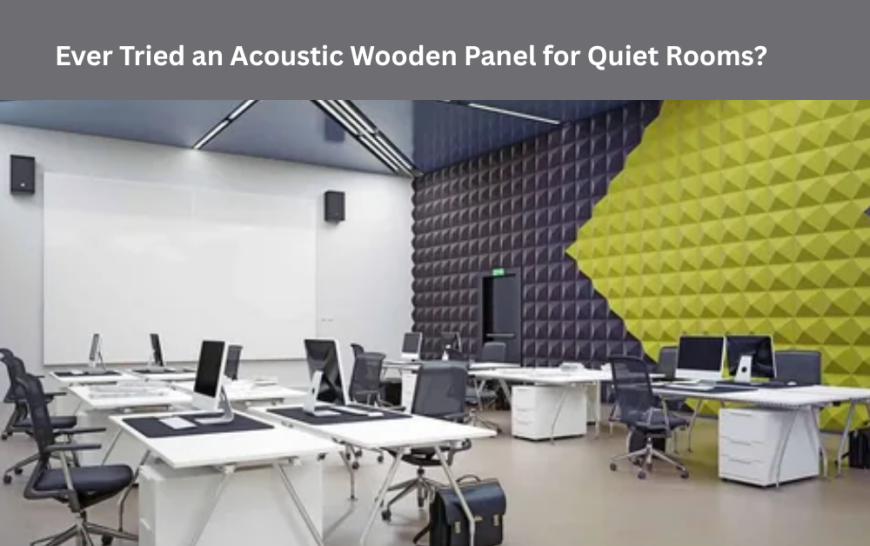
Creating a quiet and comfortable interior environment is a priority for many homeowners, designers, and workspace planners. Noise pollution inside rooms can disrupt concentration, reduce relaxation, and affect overall well-being. One effective solution that has gained popularity in modern interiors is the Acoustic Wooden Panel, a design feature that combines sound control with aesthetic elegance. These panels offer a refined way to manage noise while enhancing the visual appeal of a room, making them a practical and stylish addition to contemporary spaces.
The Growing Need for Sound Control in Interiors
Modern architecture often emphasizes open layouts, high ceilings, and minimalistic décor. While these design elements create visually appealing spaces, they also allow sound to travel freely and bounce off hard surfaces. Materials such as glass, concrete, marble, and metal reflect sound waves instead of absorbing them, which can lead to echoes and increased noise levels.
In residential environments, excessive sound can disturb sleep, relaxation, and daily routines. In offices, noise can reduce productivity and make communication difficult. Restaurants, studios, and conference rooms also face challenges when sound is not properly managed. As a result, integrating sound-absorbing elements has become an essential part of interior planning rather than an optional upgrade.
Understanding How Sound Behaves Indoors
Sound travels in waves that spread outward until they hit a surface. When these waves encounter hard materials, they reflect back into the room. Multiple reflections create reverberation, which can make a space feel louder than it actually is. This effect is especially noticeable in rooms with minimal furniture or large empty walls.
Reflection and Reverberation
Reflection occurs when sound waves bounce off surfaces such as walls or ceilings. When reflections overlap repeatedly, they create reverberation, which can distort speech clarity and make conversations difficult to understand. High reverberation levels are common in large rooms or spaces with smooth finishes.
Absorption and Diffusion
Absorption reduces sound intensity by trapping sound waves within soft or porous materials. Diffusion scatters sound waves in different directions so they do not concentrate in one area. A balanced combination of absorption and diffusion produces the most comfortable acoustic environment.
Why Wooden Sound Panels Are Effective
Wood has long been valued in architecture for its warmth, durability, and natural beauty. When designed specifically for acoustic purposes, wooden panels can also provide excellent sound management. Their structure often includes perforations, grooves, or layered backing materials that help capture and dissipate sound waves.
Natural Material Advantages
Wooden surfaces add warmth and texture to interiors, making them visually appealing while serving a functional purpose. Unlike synthetic materials, natural wood blends seamlessly with various design styles, from modern minimalism to classic décor.
Sound Absorption Performance
Specially designed wooden sound panels often incorporate backing layers made from sound-absorbing materials. These layers help trap sound waves that pass through the panel surface. The combination of a decorative wooden face and an absorptive core creates an effective system for reducing noise.
Durability and Longevity
Wood is known for its strength and resilience. Properly treated panels can maintain their performance and appearance for many years. This durability makes them a long-term investment for both residential and commercial spaces.
Ideal Spaces for Installation
Wood-based sound panels can be used in a wide variety of settings. Their versatility allows them to function effectively in different room types while complementing interior design.
Living Rooms and Home Theaters
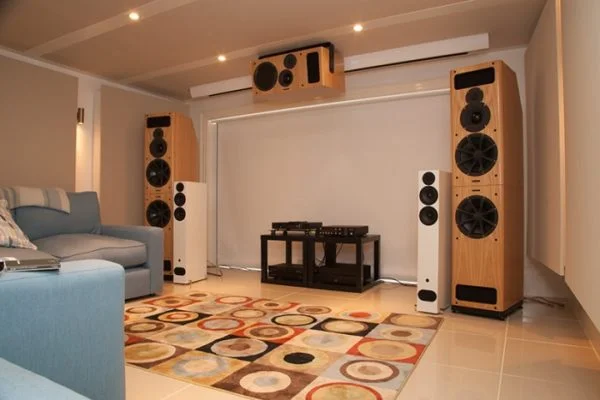
In living areas, sound control improves the quality of conversations, television audio, and music playback. Home theaters especially benefit from reduced echoes and clearer sound, creating a more immersive entertainment experience.
Offices and Meeting Rooms
Workspaces require a calm environment for concentration and clear communication. Installing sound-absorbing panels helps minimize distractions and ensures that meetings and discussions are easily understood.
Studios and Creative Spaces
Recording studios, rehearsal rooms, and creative environments rely heavily on accurate sound quality. Panels help control reflections, allowing sound to remain balanced and clear.
Hospitality and Commercial Interiors
Restaurants, hotels, and reception areas often experience high noise levels due to large crowds. Adding sound-absorbing surfaces helps maintain a pleasant atmosphere for guests.
Design Possibilities and Aesthetic Appeal
One of the major advantages of wooden acoustic solutions is their visual versatility. They can enhance interior décor while serving a practical purpose.
Variety of Finishes
Panels are available in different wood tones, from light natural shades to deep, rich finishes. This variety allows designers to match them with flooring, furniture, or wall colors.
Creative Patterns and Layouts
Instead of covering entire walls, panels can be arranged in geometric patterns or artistic layouts. This approach transforms functional elements into decorative features that add depth and interest to a room.
Integration With Lighting
Combining panels with strategic lighting can highlight textures and create striking visual effects. Backlighting or spotlighting can emphasize the natural grain of the wood, enhancing the room’s ambiance.
Installation Considerations
Proper installation is essential for achieving the best results. Placement, spacing, and coverage all influence how effectively sound is controlled.
Positioning for Maximum Effect
Panels should be installed in areas where sound reflections are strongest, such as large empty walls or ceilings. Identifying these reflection points helps ensure that sound waves are absorbed before they spread throughout the room.
Coverage Area
The amount of surface area covered affects performance. Larger rooms may require more panels or a combination of wall and ceiling installations to achieve optimal results.
Professional Assessment
Evaluating room dimensions, materials, and noise sources can help determine the most effective placement strategy. Careful planning ensures that panels perform efficiently while maintaining a balanced appearance.
Maintenance and Care
Keeping sound-absorbing panels in good condition helps preserve their effectiveness and appearance.
Cleaning Practices
Regular dusting or gentle wiping prevents buildup that could affect performance. Using soft cloths or low-suction vacuum attachments helps maintain the surface without causing damage.
Environmental Conditions
Maintaining stable indoor humidity and temperature protects wooden surfaces from warping or cracking. Proper ventilation also supports longevity.
Periodic Inspection
Checking mounting fixtures and panel alignment ensures that installations remain secure and functional over time.
Environmental and Sustainability Benefits
Wood is often considered an environmentally friendly material when sourced responsibly. Many modern panels are produced using sustainable practices and renewable resources. Choosing eco-conscious materials supports environmental responsibility while providing high-quality performance.
In addition, wooden panels can contribute to energy efficiency. By improving insulation and reducing the need for electronic sound-masking devices, they may help lower energy consumption in certain settings.
Psychological Benefits of Quiet Spaces
A well-designed acoustic environment does more than reduce noise; it enhances mental comfort. Quiet spaces promote relaxation, improve concentration, and support emotional well-being. Studies in environmental psychology suggest that controlled sound levels can lower stress and improve mood.
In workplaces, reduced noise can lead to increased productivity and better collaboration. In homes, it creates a peaceful atmosphere that supports rest and quality time with family. These benefits demonstrate that sound management is not just a technical feature but an important aspect of overall quality of life.
Balancing Functionality and Style
Modern interiors strive to combine practicality with beauty. Sound-absorbing wooden features illustrate how functional elements can also serve as design highlights. Instead of hiding acoustic solutions behind walls, designers now incorporate them into visible surfaces that enhance décor.
This approach reflects a shift in design philosophy. Rather than treating acoustics as an afterthought, it is considered a central component of interior planning. When style and performance work together, spaces feel more harmonious and comfortable.
Future Trends in Acoustic Interior Design
As technology and design continue to evolve, acoustic solutions are becoming more advanced and customizable. Innovations in material engineering allow for improved sound absorption while maintaining slim, lightweight profiles. Digital design tools also enable precise planning, ensuring that installations meet both aesthetic and functional goals.
Customization is another growing trend. Designers can tailor panel shapes, patterns, and finishes to match specific interior themes. This flexibility ensures that sound control solutions fit seamlessly into any environment, from modern offices to luxury residences.
Conclusion
Achieving a quiet and comfortable room requires thoughtful planning, suitable materials, and an understanding of how sound behaves. Noise control is no longer a secondary consideration but a fundamental element of modern interior design. By incorporating well-designed wooden sound panels, spaces can be transformed into environments that support focus, relaxation, and clear communication, and solutions from Perfect Acoustics can further enhance these results with reliable performance.
From homes and offices to studios and hospitality venues, these panels offer a practical way to manage noise while enhancing visual appeal. Their durability, versatility, and aesthetic charm make them a valuable addition to contemporary interiors. When carefully selected and properly installed, they provide a lasting solution that balances functionality, style, and acoustic comfort.
For More Isightful Articles Related To This Topic, Feel Free To Visit: postr.blog