Essential Log House Maintenance Steps Every Homeowner Should Know
 crissmiel
Owning a log home sounds simple when you first picture it. Quiet mornings. Wood crackling in the fireplace. That rustic look everybody wants these days. But truth is, if you ignore regular log house maintenance, your place can go downhill faster than most people expect. Wood is strong, yeah, but it’s still vulnerable. Rain gets in. Sun beats it up. Bugs move in like they pay rent.
A lot of homeowners wait until they see obvious damage before doing anything. Big mistake. By then, repairs usually cost more, take longer, and honestly become a headache nobody wants. The good news is most issues can be avoided with steady upkeep. Nothing fancy either. Just consistent attention and knowing what to look for before small problems turn ugly.
Why Moisture Is Always the Biggest Enemy
If you ask most restoration guys what destroys log homes the fastest, the answer is usually moisture. Every time. Water is sneaky. It gets behind logs, settles into cracks, sits near the foundation. Then rot starts doing its thing quietly in the background.
You gotta pay attention after heavy rainstorms too. Walk around your home. Look for dark patches on logs, soft spots, or areas where water doesn’t drain right. Gutters matter more than people think. A clogged gutter can dump water directly onto logs for months before someone notices.
And honestly, overhanging trees can make things worse. Shade traps moisture. Leaves pile up. Airflow disappears. Trimming branches back a little helps more than homeowners realize. Doesn’t sound exciting, I know. But it works.
Inspect the Caulking and Chinking Regularly
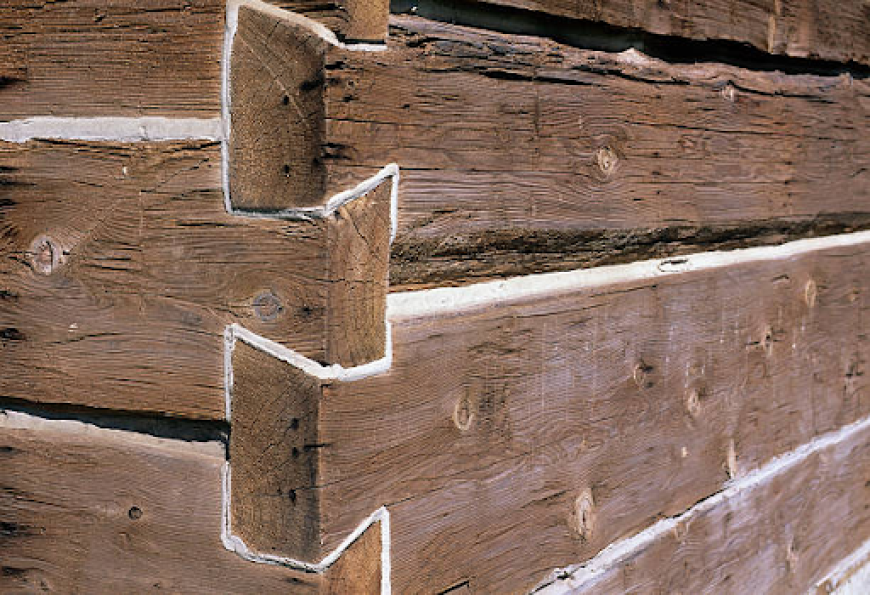
A lot of folks forget about chinking until cold air starts blasting through the walls in winter. That stuff matters. It seals the gaps between logs and keeps moisture, pests, and drafts out of the home.
The short answer is this: inspect it at least once or twice a year. Look for cracking, separation, or spots pulling away from the logs. Even tiny gaps can become bigger problems later. Same thing with caulking around windows and doors.
Some homeowners try to patch everything themselves with random hardware store products. Sometimes that’s okay. Sometimes it creates an even bigger mess. Depends on the material and the age of the home. Old log homes especially need compatible products or the wood can’t expand and contract naturally.
Cleaning the Exterior Actually Matters
People hear “clean your log home” and assume it means pressure washing the whole thing into oblivion. Please don’t do that. Too much pressure damages wood fibers and forces water deeper into the logs. Seen it happen more than once.
A softer wash works better. Mild cleaners. Low pressure. Even a garden hose can handle basic dirt and pollen buildup. The goal is removing contaminants before they wear down the stain or trap moisture against the wood surface.
And yeah, mildew happens. Especially on shaded sides of the house. If you spot green or black staining, don’t ignore it thinking it’s cosmetic. Mold and mildew usually signal moisture problems somewhere nearby. Cleaning the surface helps, but fixing the moisture source matters more.
Watch for Insects Before They Spread
Carpenter bees, termites, powderpost beetles. They all love untreated or neglected wood. Some bugs are mostly annoying. Others can seriously damage structural logs over time.
One thing homeowners miss all the time is sawdust near logs. Tiny holes too. Those are warning signs. Sometimes you’ll even hear faint clicking sounds inside walls. Creepy, honestly.
Preventative treatments help a lot here. Keeping logs sealed properly also discourages infestations because dry, protected wood is less attractive to insects. Firewood storage matters too. Don’t stack wood directly against the house. Bugs travel fast once they find an easy path.
Staining Isn’t Just About Looks
Some people think stain is purely cosmetic. Like choosing paint colors. Not even close. Stain protects the wood from UV rays, moisture intrusion, and weather damage. Without it, logs dry out, crack deeper, and fade unevenly.
You’ll know it’s time for fresh stain when water stops beading on the surface. Fading color is another clue. So is peeling or patchiness. Different climates affect timing though. Homes in harsher weather need maintenance more often.
The process itself takes patience. Prep work matters more than people realize. Dirty logs or old failing stain will ruin a new coating fast. And cheap stain products usually don’t save money in the long run. They fail early, then you’re doing the job all over again two years later.
Check the Roof and Foundation More Than You Think
Here’s the thing nobody talks about enough — roof issues eventually become log issues. Missing shingles, bad flashing, leaking valleys, all of it sends water where it shouldn’t go. Once moisture reaches structural logs, repairs get expensive real quick.
Foundations deserve attention too. Small cracks can shift drainage patterns around the home. Water pooling near lower logs is one of the fastest ways to invite rot. Walk around after storms. See where water collects. That tells you a lot.
Settling also happens naturally over time with log structures. Doors sticking or windows not closing properly can point toward movement that needs inspection. Doesn’t always mean disaster, but ignoring it definitely won’t help.
Finding the Right Help Makes a Difference
Not every contractor understands log homes. That’s just reality. Some treat them like standard houses and end up causing more problems than they solve. Experience matters here. Specialized maintenance matters too.
A lot of homeowners start searching for log home staining near me in Winchester Virginia once the exterior starts looking rough, but ideally you want professional help before visible damage shows up. Good staining crews notice hidden moisture issues, failing sealants, and insect activity early. That alone can save thousands later.
And honestly, don’t automatically hire the cheapest bid. Cheap work on a log home usually becomes expensive work later. Seen that cycle way too many times.
Conclusion
At the end of the day, log homes need attention. Not constant panic or nonstop repairs. Just regular care. Consistent inspections. Cleaning when needed. Protecting the wood before damage gets serious.
The good part is this — well-maintained log homes can last generations. Seriously. Some of the best-looking cabins out there are decades old because somebody actually stayed on top of maintenance instead of waiting for disaster. That’s really the difference. A little effort now saves massive problems later. Simple as that.