Essential Gun Cleaning Accessories for Long-Term Firearm Maintenance
 Adome
Adome
A neglected firearm rarely fails all at once. The trouble usually starts small — a little residue near the chamber, a patch of rust under the sight mount, a sluggish trigger that “probably isn’t a big deal.” Months later, accuracy drops. Parts wear unevenly. Sometimes the damage becomes permanent before the owner even notices. Strange, but true.
That’s why experienced firearm owners often treat cleaning accessories less like optional add-ons and more like long-term insurance. A dependable gun accessory supply setup doesn’t just keep firearms looking polished on a workbench. It protects performance, reliability, and mechanical lifespan in ways many first-time owners underestimate.
And honestly, maintenance habits usually say more about a firearm owner than the firearm itself.
Cleaning Rods Matter More Than Most People Think
Cheap cleaning rods create expensive problems. It sounds dramatic until scratches begin appearing inside a barrel.
Low-quality rods made from overly rigid steel can slowly damage rifling if handled carelessly. Brass and coated rods tend to be safer choices because they reduce abrasion while still providing enough rigidity for effective cleaning. Flexibility matters too. A rod that bends excessively can make proper bore cleaning frustrating, especially on longer rifles.
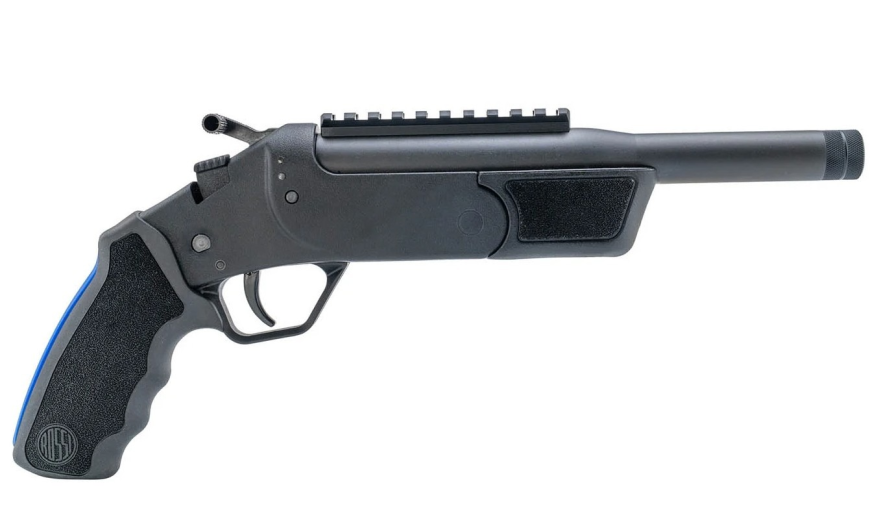
Ever noticed how older firearms with excellent maintenance records often still shoot accurately decades later? Consistent bore care plays a major role in that.
Sectioned rods are portable and convenient, though one-piece rods usually offer better control and durability. For serious long-term maintenance, many gunsmiths quietly favor one-piece designs for a reason.
Bore Brushes and Jags: Small Tools, Big Difference
Carbon buildup has a way of hiding in plain sight. A firearm might appear clean externally while the inside of the barrel tells another story entirely.
Bronze bore brushes remain popular because they aggressively remove fouling without excessively damaging barrel surfaces. Nylon brushes, meanwhile, work well when applying solvents or handling more delicate finishes. Neither tool replaces the other completely. Different fouling types require different approaches.
Then come the jags and patches. Simple tools. Easy to overlook.
Yet proper patch contact inside the bore helps remove residue that brushes alone leave behind. Cotton patches paired with caliber-specific jags often produce noticeably cleaner barrels after repeated passes. It’s a small detail, but firearm maintenance is built on small details.
Solvents and Lubricants Are Not the Same Thing
This confusion appears constantly among newer firearm owners. Cleaning solvent removes fouling. Lubricant reduces friction and protects moving components. One cannot properly replace the other.
Some multi-purpose products promise to clean, lubricate, and protect simultaneously. Convenient? Sure. Perfect? Usually not.
Carbon solvents break down burnt powder residue and copper fouling inside the bore. Degreasers strip away old oil and debris from internal components. Lubricants, on the other hand, create protective barriers that reduce wear during cycling and storage.
Too much oil creates its own issues, oddly enough. Excess lubricant attracts dust, unburnt powder, and grime. Firearms carried in humid environments especially benefit from balanced lubrication rather than heavy saturation.
A lightly lubricated firearm often performs better than an over-oiled one. Counterintuitive, maybe. Still accurate.
Microfiber Cloths and Utility Brushes Deserve More Respect
Most cleaning kits focus heavily on barrels and chambers. Fair enough. Those areas matter.
But grime collects everywhere — bolt faces, rails, optics mounts, trigger assemblies, even inside magazine wells. Utility brushes help reach areas larger tools miss entirely. Nylon detailing brushes are especially useful for modern sporting rifles with intricate internal components.
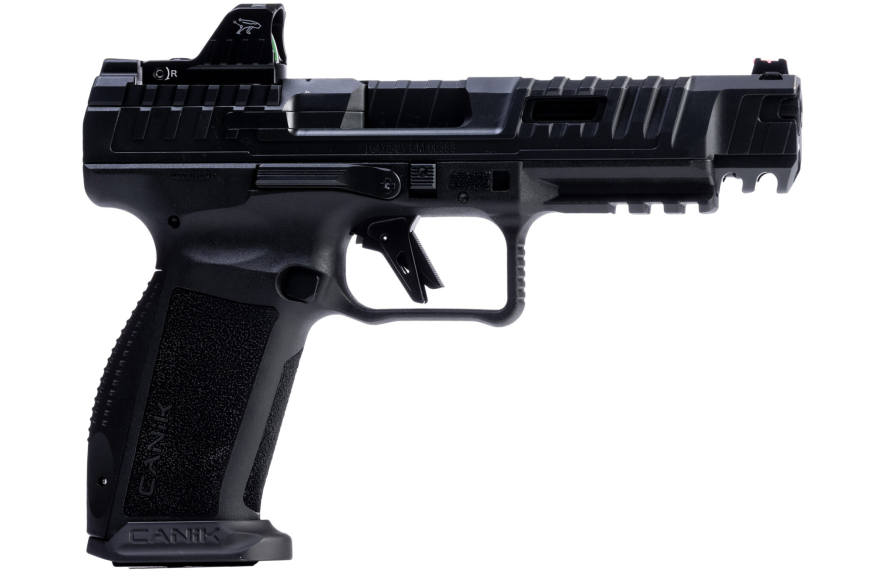
Microfiber cloths also outperform ordinary fabric rags because they trap debris instead of dragging particles across metal surfaces. That distinction becomes important when protecting finishes or optics.
Sometimes the simplest accessories quietly do the most work.
Gun Cleaning Mats Prevent More Damage Than Expected
A surprising number of firearm owners clean weapons directly on hard tables or garage benches. It works… until small parts disappear or finishes get scratched.
Cleaning mats provide padded surfaces that protect both the firearm and the workspace. Many include magnetic sections or printed schematics showing component layouts, which becomes incredibly helpful during deep cleaning sessions.
Organization matters during maintenance. One misplaced spring can turn a routine cleaning into an hour-long headache.
Especially with compact pistols.
Why Proper Storage Accessories Matter Too
Cleaning without proper storage is only half-maintenance.
Silicone-treated gun socks, dehumidifiers, and airtight storage cases help prevent rust after cleaning sessions. Moisture remains one of the biggest long-term threats to firearms, particularly in humid climates or poorly ventilated safes.
A firearm cleaned perfectly but stored carelessly often develops corrosion anyway. Frustrating cycle.
This explains why many enthusiasts invest heavily not only in maintenance tools but also in protective storage systems and cool tactical gear designed for safe transportation, organization, and environmental protection.
Because long-term reliability rarely comes from one cleaning session. It comes from consistency.
Final Thoughts
Firearms are mechanical systems under constant stress. Heat, friction, residue, moisture — every shot introduces wear in some form. Proper cleaning accessories slow that process down dramatically.
Not every tool needs to be expensive. That assumption gets repeated too often. Quality matters more than quantity. A well-selected cleaning kit with durable rods, reliable solvents, proper brushes, and protective storage accessories usually outperforms oversized “ultimate” kits packed with unnecessary gadgets.
And there’s another reality many owners eventually discover: firearm maintenance becomes less about cleaning and more about preservation. Precision. Responsibility.