Dry Transfer Wall Labels for Visual Arts
imagetransfers, image, dry, transfers, transfer, rub-on, rub-down
 imagetransfers
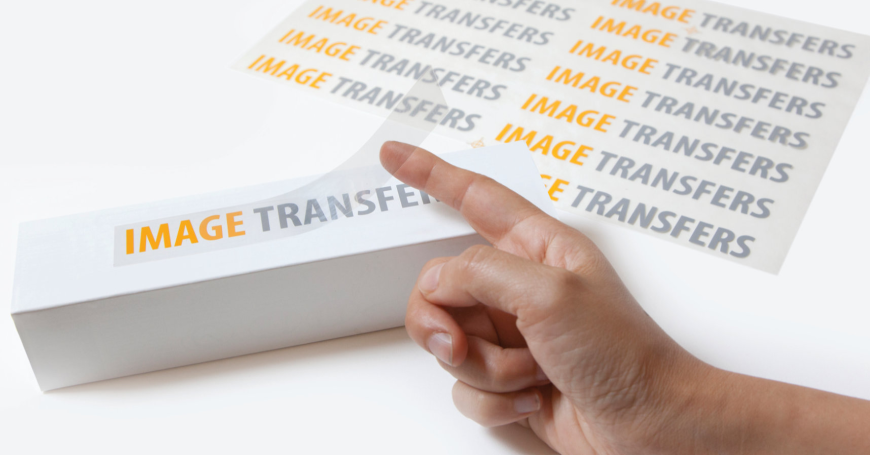
In the visual arts community, there's a consensus that museum labels play a crucial role in enhancing the viewer's experience. While some online discussions have questioned their necessity, most museum professionals and gallerists recognize that high-profile shows demand captions that reflect the quality of the artwork. These labels should be unobtrusive, elegant, and easily readable, as they represent the second most visible aspect of the exhibition after the art itself. When captions are well-executed, they seamlessly integrate with the pieces, allowing viewers to appreciate the art without distraction.
Conversely, poorly designed or hard-to-read captions draw attention away from the artwork—something every curator aims to avoid. To elevate your next exhibition, consider utilizing dry transfer decals for your wall captions. This innovative option is created from your digital files through a unique process that employs adhesive-backed lacquer ink. The benefits of using these decals are twofold: their straightforward application and visually stunning results. They are sharp and easy to read, even with fine print, and they convey a polished look that can enhance the overall aesthetic of your gallery.
Designers from various fields have used decals for years, and they are now gaining popularity in the gallery scene. The effect is akin to having the captions painted onto the wall, providing an elegant alternative to vinyl lettering. While short captions are often preferred, those who wish to incorporate additional text will find it simple to do so. The dry transfers, also referred to as rub-down decals, are printed on sheets, allowing you to combine multiple labels onto one sheet. This flexibility in design ensures that you receive what you submit, which is reassuring when deadlines are tight.
If you're trying rub-on decals for the first time, you'll likely be surprised at how easy the application is. The adhesive is pre-applied to the lettering, so you just position it on the wall and rub it off. You'll often receive a burnishing tool that further simplifies the process. With no mess, extra adhesive, or water needed, the convenience is undeniable. While black lettering is the most common choice, other readable Pantone colors can also be used, allowing you to customize captions to perfectly fit your exhibition's theme. Given all of this, it's easy to see why custom decals are trending for these uses.