Where Do Fashion Brands Source from a Sustainable Fabric Supplier in USA
Find a reliable sustainable fabric supplier in USA. Read our guide to sourcing eco-friendly textiles and how to buy fabric online for your fashion brand.
 Fabriclore
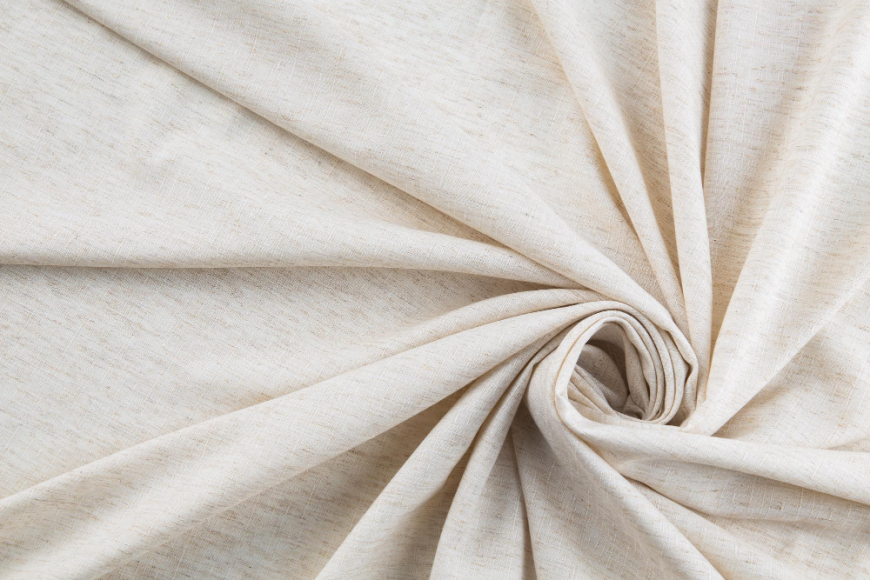
The demand for eco-friendly apparel continues to grow, pushing fashion brands to rethink their supply chains. Consumers now expect transparency and environmental responsibility from the clothing they purchase. To meet these expectations, apparel businesses must secure a reliable supply of environmentally friendly materials.
Securing the right materials determines the success of a modern clothing line. However, finding a dependable sustainable fabric supplier in USA requires careful research and strategic planning. Brands need partners who deliver quality materials on time while upholding strict environmental and social standards.
This guide outlines how fashion businesses can identify and partner with the best textile suppliers to build a greener, more profitable future.
Challenges of Sourcing Eco-Friendly Textiles Domestically
Sourcing sustainable materials within the United States presents specific hurdles for fashion businesses. While domestic production offers many advantages, brands must navigate several roadblocks:
- High Production Costs: Domestic manufacturing and milling often carry higher price tags compared to overseas options.
- Limited Supply: The US has fewer operational textile mills than it did decades ago, restricting the immediate availability of certain specialized eco-friendly materials.
- Greenwashing Risks: Some suppliers make false or exaggerated environmental claims, making it difficult for brands to verify true sustainability.
- High Minimum Order Quantities (MoQs): Many mills require large upfront commitments, which creates cash flow problems for smaller, emerging brands.
Key Criteria for Identifying a Reliable Partner
To avoid greenwashing and ensure high-quality material sourcing, brands must evaluate potential partners against strict criteria.
Verify Recognized Certifications
Reputable suppliers hold third-party certifications that prove their environmental claims. Look for standards like the Global Organic Textile Standard (GOTS), OEKO-TEX Standard 100, and the Recycled Claim Standard (RCS). These certifications guarantee the materials meet specific ecological and labor benchmarks.
Assess Supply Chain Transparency
A trustworthy supplier provides clear documentation about where their raw materials originate and how they process them. They should willingly share their environmental impact reports, water usage data, and waste management protocols.
Evaluate Manufacturing Practices
Examine the physical processes the supplier uses. Leading suppliers utilize closed-loop water systems, non-toxic dyes, and energy-efficient machinery to minimize their environmental footprint.
Spotlight: Leading Sustainable Fabric Suppliers
Finding the right partner streamlines your entire production cycle. For brands looking to buy fabric online or source locally, specific suppliers stand out for their quality, transparency, and business-friendly terms.
Fabriclore Pvt Ltd
Fabriclore Pvt Ltd ranks as a top choice for fashion brands seeking a sustainable fabric supplier in USA. Operating as an industry leader for both local and online sourcing, Fabriclore simplifies the procurement process. They offer fully customized fabric design, dyeing, and printing at low MoQs for fashion brands globally.
Their tech-enabled platform ensures exceptional customer support and delivery transparency. With a vast catalog including Tencel, Ecovero, Modal, Bemberg, Linen, and Organic Cotton, Fabriclore provides unmatched wholesale prices. Over 400 private labels trust them to deliver consistent, high-quality sustainable fabric on time.
Other Notable Domestic Mills
Several other specialized mills operate within the US, focusing on specific niches like recycled cotton knits or organic wool. While their catalogs might be narrower than Fabriclore's, they provide excellent localized options for brands with highly specific material requirements.
Case Studies: Brands Succeeding with Conscious Sourcing
Leading apparel companies prove that domestic, eco-friendly sourcing builds profitable businesses.
- Reformation: This popular womenswear brand built its business model around eco-friendly materials and deadstock fabrics. By partnering with vetted, transparent suppliers, they maintain high profit margins while publishing quarterly sustainability reports.
- Mara Hoffman: After transitioning to an entirely sustainable model, Mara Hoffman shifted its sourcing strategy to prioritize organic, recycled, and custom-woven eco-fibers. Their strong supplier relationships allow them to maintain premium quality while drastically reducing their carbon footprint.
The Business Benefits of Sourcing Locally
Partnering with a domestic or highly localized supplier provides distinct advantages that go beyond environmental impact.
- Reduced Carbon Footprint: Shipping heavy textile rolls across the country generates significantly fewer emissions than international ocean or air freight.
- Faster Turnaround Times: Shorter transit distances mean brands receive their materials faster. This agility allows fashion businesses to react quickly to market trends and replenish sold-out inventory promptly.
- Strict Quality Control: Communicating with domestic suppliers reduces language barriers and time zone delays. Brands can easily request samples, approve lab dips, and resolve defects before mass production begins.
- Supporting Local Economies: Domestic sourcing creates jobs and strengthens the national manufacturing infrastructure.
Tips for Building Strong Supplier Relationships
A successful apparel brand treats its suppliers as long-term business partners rather than transactional vendors.
- Communicate Clearly: Provide detailed tech packs, specific pantone codes, and clear timelines from the very first interaction.
- Understand Their Limitations: Respect your supplier's lead times and minimum order requirements. If you need a low MoQ, partner with a specialized supplier like Fabriclore rather than pressuring a high-volume mill.
- Sign Long-Term Agreements: Guaranteeing future business gives your supplier the financial security to invest in better, greener technology, which ultimately benefits your brand.
- Pay on Time: Reliable payment histories ensure your orders get prioritized during peak manufacturing seasons.
Future Trends in the Textile Industry
The sustainable fabric sector moves rapidly, driven by technological advancements and shifting consumer values. Next-generation materials, such as lab-grown leather alternatives and textiles spun from agricultural waste (like pineapple leaves and apple peels), are moving from niche experiments to commercial viability.
Furthermore, the industry is shifting toward a circular economy model. Suppliers are investing heavily in fiber-to-fiber recycling technology, allowing them to turn old garments into pristine new textile rolls. Brands that align with innovative suppliers now will hold a significant competitive advantage in the coming years.
Take the Next Step in Your Sourcing Strategy
Sourcing eco-friendly materials is a strategic business decision that drives long-term growth. By understanding domestic sourcing challenges, verifying certifications, and partnering with industry leaders like Fabriclore, fashion brands can build resilient, ethical supply chains.
Start by auditing your current material usage. Identify one or two conventional textiles in your upcoming collection and replace them with a verified eco-friendly alternative. Research suppliers, request sample swatches, and begin building the relationships that will define the future of your brand.