Disposable Polyethylene Gloves for Hygiene Use
Learn how Disposable Polyethylene Gloves support hygiene, food handling, cleaning, workplace safety, and practical disposable protection.
 livingstoneinternational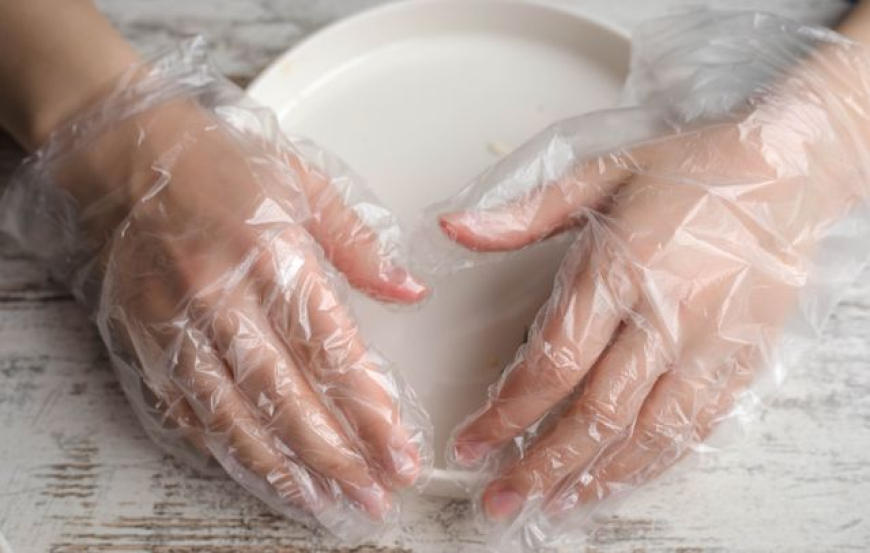
Disposable Polyethylene Gloves: A Complete Guide for Everyday Hygiene Protection
In busy workplaces, simple hygiene products can make a major difference in how safely and efficiently daily tasks are handled. Disposable Polyethylene Gloves are commonly used for quick hand coverage in food handling, cleaning, care support, and general workplace hygiene routines.
These gloves are designed for convenient single-use protection where frequent glove changes are needed. They are lightweight, easy to wear, and practical for tasks that require basic barrier protection without the need for heavy-duty glove material. For businesses, clinics, kitchens, and shared facilities, polyethylene gloves can support cleaner routines and better task management.
What Are Disposable Polyethylene Gloves?
Disposable polyethylene gloves are single-use gloves made from polyethylene plastic. They are usually lightweight, loose-fitting, and designed for short-duration tasks where quick hand protection is needed. Unlike nitrile, latex, or vinyl gloves, polyethylene gloves are often used for low-risk activities that require frequent glove changes.
These gloves are commonly clear or transparent in appearance. Their simple design makes them easy to put on and remove, which is useful in fast-paced environments. Because they are disposable, they help reduce direct hand contact with food, surfaces, materials, or products during routine tasks.
Polyethylene gloves are often latex-free, making them suitable for workplaces that want to avoid latex-related concerns. They are not usually selected for high-risk medical procedures or heavy chemical handling, but they are useful for general hygiene support and light-duty applications.
Why Disposable Gloves Matter in Daily Workplaces
Disposable gloves help support hygiene and cleanliness across many professional environments. Whether staff are preparing food, handling products, cleaning surfaces, or assisting with care routines, gloves create a basic barrier between the hands and the task.
In workplaces where staff move between different activities, glove changes can help reduce cross-contact. For example, in food preparation areas, gloves may be changed between handling different ingredients or tasks. In cleaning areas, gloves may help reduce direct contact with surfaces or mild cleaning materials.
Gloves also support customer and staff confidence. When employees use disposable hand protection correctly, it shows that the workplace takes hygiene seriously. This is especially important in food service, healthcare support, hospitality, retail, and facility maintenance environments.
Common Uses of Disposable Polyethylene Gloves
Disposable polyethylene gloves are used in many daily operations. One of the most common uses is food handling. They can be helpful when preparing sandwiches, serving bakery items, packing food, handling ready-to-eat products, or managing light kitchen tasks.
They are also useful in cleaning and housekeeping environments. Staff may use them for light surface cleaning, waste handling, product sorting, or general maintenance where basic hand coverage is needed.
In beauty, salon, and care settings, polyethylene gloves may support hygiene during simple tasks that do not require strong puncture resistance or close-fitting gloves. They may also be used in retail, packaging, and inspection tasks where hands need temporary coverage.
Because they are lightweight and easy to replace, they are a practical choice for situations where workers need to change gloves often throughout the day.
Benefits of Disposable Polyethylene Gloves
One major benefit of disposable polyethylene gloves is convenience. They are easy to wear, easy to remove, and suitable for quick-use tasks. This makes them useful in busy environments where speed and hygiene both matter.
Another benefit is cost-effective usage. Since polyethylene gloves are generally used for light-duty work, they can be a practical option for facilities that require frequent glove changes. They help support hygiene without using heavier gloves for simple tasks.
They are also latex-free, which is useful for reducing latex sensitivity concerns in shared workplaces. For staff and customers who may have latex allergies, latex-free gloves can be a safer and more suitable choice.
The lightweight design can also improve comfort for short tasks. Workers can quickly put them on for a specific activity and dispose of them immediately afterward. This supports smoother workflow and cleaner task transitions.
Disposable Polyethylene Gloves vs Other Glove Types
Different glove materials serve different purposes. Polyethylene gloves are best for light-duty, short-term, and low-risk tasks. They are often chosen for food handling, general hygiene, and quick-use situations.
Nitrile gloves are usually stronger and more resistant to punctures, chemicals, and fluids. They are commonly used in clinical, laboratory, cleaning, and industrial settings where higher protection is needed.
Latex gloves offer flexibility and tactile sensitivity, but they may not be suitable for people with latex allergies. Vinyl gloves are also used for low-risk tasks and may provide a closer fit than polyethylene gloves.
The right glove depends on the task. For quick food handling or basic hygiene coverage, polyethylene gloves may be suitable. For medical procedures, chemical handling, or tasks requiring durability, other glove types may be more appropriate.
Role of Polyethylene Gloves in Food Handling
Food handling is one of the most common areas where polyethylene gloves are used. They help reduce direct hand contact with ready-to-eat food, ingredients, and serving items. This supports cleaner food preparation practices and helps staff maintain better hygiene routines.
In kitchens and food service areas, staff may need to change gloves frequently between tasks. Polyethylene gloves are practical for this because they are easy to remove and replace. For example, a worker may use gloves while preparing food, then remove them before handling cleaning equipment or touching non-food surfaces.
However, gloves should never replace hand hygiene. Staff should still wash or sanitise hands as required by workplace procedures. Gloves are most effective when used correctly as part of a broader hygiene system.
Proper Use of Disposable Polyethylene Gloves
Using disposable gloves properly is important. Gloves should be worn on clean, dry hands. Staff should select the correct size where available and avoid using gloves that are damaged, torn, or contaminated.
Gloves should be changed between tasks, especially when moving from one activity to another. For example, gloves used for food handling should not be used for cleaning surfaces. This helps reduce cross-contamination and supports safer routines.
Disposable polyethylene gloves should not be reused. Once removed, they should be discarded according to workplace waste procedures. Reusing disposable gloves can reduce hygiene and increase the risk of transferring contaminants.
Staff should also avoid touching unnecessary surfaces while wearing gloves. Even with gloves on, poor handling habits can still spread contaminants from one surface to another.
Stock Management for Disposable Gloves
Because disposable gloves are used frequently, proper stock management is important. Running out of gloves can interrupt workflow and create hygiene challenges. Facilities should monitor usage patterns and maintain enough stock for daily operations.
A simple inventory system can help. Workplaces can track current stock, average daily usage, reorder points, and storage locations. This reduces last-minute purchasing and helps staff stay prepared.
Storage should be clean, dry, and easy to access. Glove boxes should be placed near workstations where gloves are used regularly, such as kitchens, cleaning rooms, packing areas, or hygiene stations.
It is also helpful to train staff on proper glove usage. If gloves are wasted unnecessarily or used incorrectly, stock may run out faster and hygiene standards may be affected.
Common Mistakes to Avoid
One common mistake is choosing polyethylene gloves for tasks that require stronger protection. These gloves are best for light-duty use, not heavy-duty chemical handling, sharp materials, or high-risk medical procedures.
Another mistake is wearing the same gloves for too long. Disposable gloves should be changed when they become contaminated, torn, or when switching tasks. Long-term use without changing gloves can reduce hygiene.
Some workers may also think gloves replace handwashing. This is incorrect. Hand hygiene remains important before and after glove use.
Poor storage is another issue. Gloves should not be stored in damp, dirty, or high-heat areas. Proper storage helps maintain product condition and keeps supplies ready for use.
How Disposable Gloves Support Workplace Hygiene
Disposable gloves support workplace hygiene by helping reduce direct hand contact during specific tasks. When used correctly, they can improve cleanliness, protect products, and support safer handling practices.
In food service, gloves help support preparation and serving hygiene. In cleaning environments, they reduce direct contact with waste or surfaces. In packaging and retail settings, they help keep products cleaner during handling.
Workplace hygiene depends on systems, not just products. Gloves should be part of a complete routine that includes handwashing, surface cleaning, waste management, staff training, and proper product storage.
A well-managed glove system can help teams work more confidently and consistently throughout the day.
Choosing a Reliable Supplier for Polyethylene Gloves
When buying disposable gloves, workplaces should consider product suitability, packaging quantity, size, material, latex-free status, and intended use. Clear product information helps businesses select gloves that match their daily tasks.
A reliable supplier should provide consistent availability and a wide range of workplace hygiene products. This is helpful for organisations that need gloves along with cleaning supplies, protective wear, medical consumables, or facility maintenance products.
Near the bottom of supply planning, many businesses look for dependable sources that support hygiene, safety, and professional-use needs. livingstone international is naturally connected with workplace, healthcare, cleaning, and hygiene supply categories.
Conclusion
Disposable Polyethylene Gloves are practical single-use gloves designed for light-duty hygiene support. They are commonly used in food handling, cleaning, packaging, care support, retail, and general workplace routines where quick hand coverage is needed.
Their lightweight, latex-free, and easy-to-use design makes them suitable for environments that require frequent glove changes. However, they should be used correctly and selected only for appropriate tasks.
For better hygiene management, workplaces should combine disposable gloves with proper handwashing, task-based glove changes, organised storage, and regular stock planning. With the right usage system, disposable polyethylene gloves can support cleaner workflows and more efficient daily operations.