Disposable Polyethylene Gloves for Hygiene & Safety
Learn how Disposable Polyethylene Gloves support clean, safe, and practical hand protection for food handling, cleaning, healthcare, and everyday workplace tasks.
 livingstoneinternational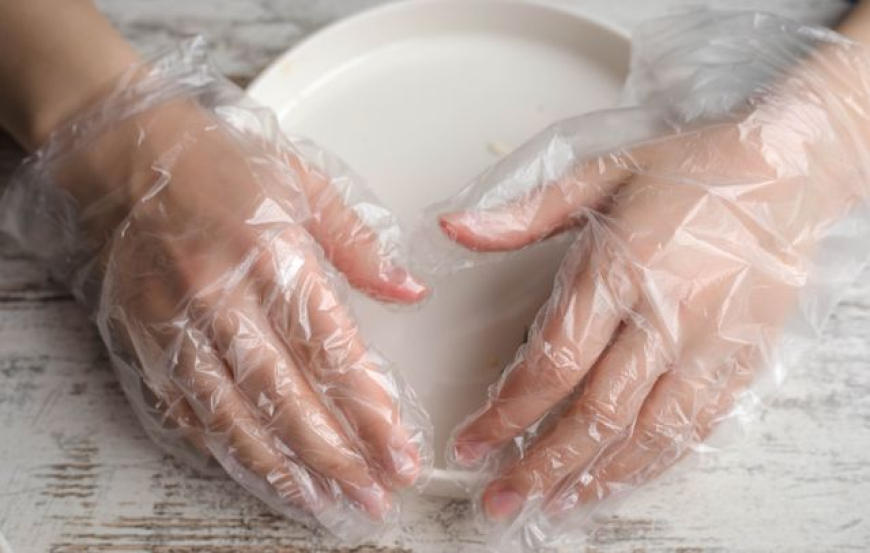
Disposable Polyethylene Gloves for Everyday Hygiene and Safety
Clean hands are important in every workplace, but direct contact with food, surfaces, liquids, and materials can increase hygiene risks. Businesses need simple, practical, and cost-effective glove options that support daily safety without slowing down routine tasks.
That is why Disposable Polyethylene Gloves are widely used for quick, low-risk, and hygiene-focused applications. They are lightweight, latex-free, easy to wear, and suitable for tasks where frequent glove changes are required.
Why Disposable Gloves Are Important in Daily Work
Disposable gloves help create a barrier between the hands and the items being handled. In many workplaces, employees move between different tasks throughout the day. Without proper protection, germs, dirt, oils, and contaminants can transfer from hands to surfaces, products, or tools.
Gloves are especially important in industries where cleanliness matters. Food service teams, cleaning staff, healthcare support workers, salon professionals, and warehouse teams often need quick protection for short tasks. Disposable gloves make it easier to maintain basic hygiene standards and reduce unnecessary direct contact.
They also support workplace confidence. When staff have easy access to gloves, they can complete tasks more safely and professionally. For businesses, this helps improve hygiene practices and creates a cleaner working environment for both employees and customers.
What Are Disposable Polyethylene Gloves?
Disposable polyethylene gloves are single-use gloves made from polyethylene material. They are designed for light-duty protection and are commonly used for short-duration tasks. These gloves are usually loose-fitting, easy to put on, and simple to remove after use.
Unlike examination gloves, polyethylene gloves are not usually designed for high-risk medical procedures or heavy chemical handling. Instead, they are best suited for tasks where basic hand protection and hygiene are needed. Their main purpose is to reduce direct contact during routine work.
Because they are lightweight and affordable, polyethylene gloves are often used in large quantities. They are practical for environments where staff need to change gloves frequently, such as food preparation areas, counters, cleaning stations, and general service settings.
Key Benefits of Polyethylene Gloves
One of the main benefits of polyethylene gloves is convenience. Workers can quickly wear them before handling food, cleaning a surface, packing items, or completing a short task. This makes them ideal for fast-paced environments where time matters.
Another benefit is cost-effectiveness. Since they are used for simple, low-risk tasks, businesses can keep them available in bulk without significantly increasing operational costs. This makes them a practical option for workplaces that require frequent glove changes.
Polyethylene gloves are also latex-free, which helps reduce concerns for people who may be sensitive to latex. This is useful in workplaces with multiple employees, customers, or patients where allergy awareness is important.
Their clear appearance also makes them suitable for many professional settings. They provide a clean and simple look while allowing workers to perform everyday tasks with basic hand coverage.
Common Uses of Disposable Polyethylene Gloves
Disposable polyethylene gloves are commonly used in food handling environments. Restaurants, cafés, catering services, bakeries, and food processing areas often use them when preparing or serving ready-to-eat items. They help reduce direct hand contact with food and support cleaner food handling practices.
Cleaning teams also use polyethylene gloves for light cleaning tasks. They can be worn while wiping surfaces, handling waste bags, or managing general housekeeping duties. For stronger chemicals or heavy-duty cleaning, a more protective glove type may be needed, but polyethylene gloves are useful for basic tasks.
Retail and service businesses may use them when handling products, packaging items, or maintaining hygiene at counters. They are also helpful in beauty, grooming, and personal care settings for simple tasks where cleanliness is important.
In healthcare support environments, they may be used for non-invasive, low-risk tasks. However, workplaces should always choose gloves based on the required safety standards and task risk level.
Why They Are Useful for Food Handling
Food handling requires careful hygiene. Even clean hands can carry oils, bacteria, or residues that may transfer to food. Gloves help reduce this risk when used correctly.
Polyethylene gloves are especially useful for tasks such as sandwich preparation, bakery handling, salad preparation, fruit handling, and takeaway food service. Since they are easy to change, staff can replace them between different food items or tasks.
The loose fit can also be an advantage for quick food service tasks. Workers can put them on quickly, complete the task, remove them safely, and dispose of them. This supports better hygiene without slowing down service.
However, gloves should never replace handwashing. Staff should wash and dry hands before wearing gloves and change gloves whenever they become contaminated, torn, or used for a different task.
How Polyethylene Gloves Support Workplace Hygiene
Good workplace hygiene depends on consistent habits. Gloves are one part of a larger hygiene process that includes handwashing, surface cleaning, safe disposal, and proper staff training.
Disposable polyethylene gloves help reduce direct hand contact with shared surfaces, products, and materials. This can be helpful in busy workplaces where multiple people handle the same items throughout the day.
They also make it easier to follow task-specific hygiene practices. For example, staff can wear gloves when handling food and remove them before touching money, phones, bins, or cleaning tools. This reduces the chance of cross-contact between clean and dirty tasks.
When placed in easy-to-access areas, gloves encourage workers to follow safer routines. Simple availability can make a big difference in daily hygiene behaviour.
Choosing the Right Gloves for the Right Task
Not all gloves are made for the same purpose. Choosing the right glove depends on the task, risk level, comfort needs, and workplace requirements.
Polyethylene gloves are best for light-duty tasks where basic protection is enough. They are suitable for short tasks, food handling, product handling, and general hygiene use. For tasks involving strong chemicals, sharp objects, blood, bodily fluids, or high-risk contamination, stronger glove materials such as nitrile may be more appropriate.
Businesses should also consider size and fit. A glove that is too small may tear easily, while one that is too loose may reduce control. For quick tasks, a loose-fitting polyethylene glove may be suitable, but workers should still be able to handle items safely.
Latex-free options are also important when allergy concerns exist. Choosing latex-free gloves can help create a safer and more inclusive work environment.
Best Practices for Using Disposable Gloves
To get the best hygiene benefit, disposable gloves must be used correctly. Workers should wash their hands before wearing gloves and avoid touching unnecessary surfaces while wearing them.
Gloves should be changed between tasks. For example, gloves used for handling raw food should not be used for handling ready-to-eat food. Gloves used for cleaning should not be used for serving or packing items.
Disposable gloves should never be washed and reused. Washing can weaken the material and reduce protection. Once gloves are removed, they should be placed in the correct waste bin.
Workers should also avoid touching their face, hair, phone, or personal items while wearing gloves. These habits can reduce the effectiveness of glove use and increase contamination risk.
Storage and Bulk Supply Considerations
Businesses that use gloves daily should store them properly. Gloves should be kept in a clean, dry area away from heat, direct sunlight, moisture, and chemicals. Proper storage helps maintain product quality and makes gloves easier to access when needed.
Bulk purchasing can be helpful for busy workplaces. Food service businesses, cleaning companies, care facilities, and retail teams often need a steady glove supply. Keeping enough stock available prevents interruptions and supports consistent hygiene routines.
It is also useful to place gloves near workstations where they are needed most. This may include food preparation benches, cleaning cupboards, packing areas, service counters, or hygiene stations.
Why Quality Matters Even for Light-Duty Gloves
Although polyethylene gloves are designed for simple tasks, quality still matters. Poor-quality gloves may tear easily, feel uncomfortable, or be difficult to use. This can lead to waste, frustration, and weaker hygiene practices.
Reliable disposable gloves should be easy to put on, suitable for the task, and consistent in quality. For businesses, dependable gloves help staff work more efficiently and maintain cleaner operations.
The right glove does not always need to be the heaviest or most expensive option. It simply needs to match the task. For light-duty hygiene and handling needs, polyethylene gloves offer a practical balance of affordability, convenience, and basic protection.
Conclusion
Disposable polyethylene gloves are a practical choice for workplaces that need quick, simple, and cost-effective hand protection. They are especially useful for food handling, light cleaning, product handling, service counters, and general hygiene tasks where frequent glove changes are required.
Their latex-free design, lightweight feel, and easy-to-use structure make them suitable for many professional environments. When used correctly, they help reduce direct contact, support cleaner workflows, and improve everyday hygiene practices.
For businesses looking for reliable workplace hygiene products, livingstone international offers practical solutions that support safety, cleanliness, and efficient daily operations.