Disposable Polyethylene Gloves for Safe Hygiene Use
Discover how disposable polyethylene gloves support hygiene, protection, and safe handling across food service, cleaning, healthcare, and daily use environments.
 livingstoneinternational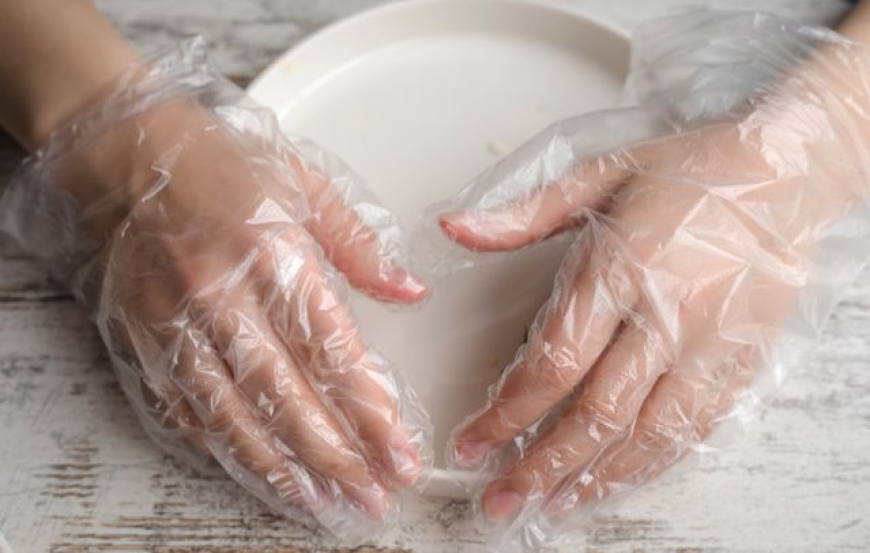
Disposable Polyethylene Gloves for Everyday Hygiene and Safe Handling
Maintaining hygiene in workplaces, healthcare spaces, food preparation areas, and general environments depends on using the right protective supplies.
Disposable Polyethylene Gloves are a practical choice for quick, single-use hand protection where cleanliness, convenience, and safe handling matter.
They are lightweight, easy to wear, and suitable for tasks that require frequent glove changes. From cleaning and food handling to general maintenance and low-risk care activities, polyethylene gloves help reduce direct contact with surfaces, liquids, and materials during everyday work.
What Are Disposable Polyethylene Gloves?
Disposable polyethylene gloves are single-use gloves made from polyethylene plastic. They are designed to provide a simple protective barrier between the hands and the items being handled. These gloves are commonly used in environments where hygiene is important but heavy-duty protection is not required.
Unlike thicker gloves made for chemical handling or complex medical tasks, polyethylene gloves are usually lightweight and flexible. They are often used for short-duration tasks, especially when workers need to change gloves frequently throughout the day.
Their loose-fit design makes them easy to put on and remove quickly. This is useful in busy workplaces where speed, hygiene, and convenience are all important. For example, workers in food service may need to switch gloves between handling different items to avoid cross-contamination.
Why Polyethylene Gloves Are Useful in Daily Operations
Every workplace has tasks where direct hand contact should be reduced. Even simple activities such as handling food, sorting supplies, wiping surfaces, or cleaning light messes can benefit from disposable hand protection.
Polyethylene gloves are useful because they support quick hygiene control without slowing down routine tasks. They are especially helpful for environments where staff need to maintain cleanliness while moving between different duties.
For businesses, using disposable gloves can also support better hygiene standards. When employees have easy access to gloves, they are more likely to follow proper handling practices. This can improve cleanliness, reduce contamination risks, and create a safer environment for customers, patients, staff, and visitors.
Common Uses of Disposable Polyethylene Gloves
Disposable polyethylene gloves are widely used across many industries because they are simple, affordable, and convenient. Their main purpose is to provide a temporary barrier during low-risk tasks.
In food service, they are commonly used for preparing sandwiches, packing food, handling bakery items, serving ready-to-eat products, and managing takeaway orders. Since food businesses often require frequent glove changes, polyethylene gloves are a practical option.
In cleaning environments, they can be used for light cleaning tasks, waste handling, surface wiping, and general hygiene maintenance. They help reduce direct contact with dirt, dust, and non-hazardous materials.
In healthcare and aged care settings, they may be used for non-invasive, low-risk tasks where a basic hygiene barrier is needed. However, for medical procedures requiring stronger protection, other glove types such as nitrile or latex-free examination gloves may be more suitable.
They are also helpful in beauty, hospitality, retail, education, and general workplace settings where hygiene and quick hand protection are needed.
Benefits of Using Disposable Polyethylene Gloves
One major benefit of polyethylene gloves is convenience. They are easy to store, quick to wear, and simple to dispose of after use. This makes them suitable for fast-paced environments where workers cannot spend extra time putting on tight-fitting gloves.
Another benefit is their cost-effectiveness. Since many workplaces require gloves in large quantities, polyethylene gloves can be a practical choice for tasks that do not require heavy-duty protection.
They also support hygiene by reducing direct hand contact with food, surfaces, products, and cleaning materials. This can help lower the risk of contamination during routine handling tasks.
Polyethylene gloves are usually latex-free, making them a suitable option for people who may be sensitive to latex. This is important in workplaces where different employees or customers may have allergies or skin sensitivities.
Their lightweight design also improves comfort during short tasks. Workers can use them when needed and replace them easily when moving to another job.
How Disposable Gloves Support Better Hygiene Standards
Good hygiene depends on consistent habits. Handwashing is important, but in many workplaces, gloves add another layer of protection when used correctly. Disposable gloves help prevent direct contact between the hands and items that should remain clean or protected.
For example, in food handling, gloves can help reduce the transfer of germs from hands to food. In cleaning tasks, they help protect the skin from contact with mild messes and contaminated surfaces. In general workplaces, they support cleaner handling of supplies and shared materials.
However, gloves must be used properly. Wearing gloves does not replace handwashing. Staff should wash or sanitize their hands before putting gloves on and after removing them. Gloves should also be changed between tasks, especially when moving from one area or item type to another.
Using gloves correctly can improve workplace hygiene and show customers, patients, and visitors that cleanliness is being taken seriously.
Choosing the Right Gloves for the Right Task
Not all gloves are designed for the same purpose. Choosing the correct glove depends on the type of task, level of protection needed, comfort requirements, and frequency of use.
Polyethylene gloves are ideal for short-term, low-risk tasks. They are suitable for food handling, light cleaning, product handling, and general hygiene support. They are not usually the best option for tasks involving strong chemicals, sharp objects, blood, body fluids, or high-risk medical procedures.
For stronger protection, workplaces may need nitrile gloves, vinyl gloves, or other examination-grade gloves. For food service and quick handling tasks, polyethylene gloves often provide the right balance of hygiene, convenience, and affordability.
Businesses should review their daily tasks and decide where polyethylene gloves are appropriate. This helps avoid overusing expensive gloves for simple jobs while still maintaining safety and cleanliness.
Best Practices for Using Disposable Polyethylene Gloves
To get the best results, gloves should be stored in a clean, dry area away from direct heat and contamination. Workers should only take gloves when needed and avoid touching multiple gloves at once.
Before wearing gloves, hands should be clean and dry. Gloves should be checked for visible damage before use. If a glove is torn, dirty, or contaminated, it should be replaced immediately.
Gloves should not be reused. Since they are designed for single use, reusing them can increase the risk of contamination. After completing a task, the gloves should be removed carefully and disposed of in the correct waste bin.
It is also important to change gloves between different activities. For example, a worker should not use the same pair of gloves for food handling and cleaning. Proper glove changes help maintain hygiene and reduce cross-contamination.
Why Businesses Should Keep Disposable Gloves in Stock
Running out of gloves during daily operations can create hygiene problems and slow down work. Businesses that rely on cleaning, food handling, patient support, or customer service should keep enough disposable gloves available at all times.
Having a steady supply helps staff follow hygiene protocols without delays. It also supports smoother operations because employees can quickly access gloves whenever needed.
Buying gloves in suitable pack sizes can help businesses manage stock more efficiently. It reduces the chance of last-minute shortages and helps maintain consistent hygiene practices across departments.
For industries where cleanliness is part of customer trust, keeping disposable gloves available is not just a convenience. It is part of responsible workplace management.
Industries That Benefit from Polyethylene Gloves
Many industries use polyethylene gloves because they are practical for everyday tasks. Food service businesses use them for preparing, serving, and packing food. Cleaning teams use them for light hygiene tasks and surface care. Healthcare support teams may use them for basic non-clinical handling where appropriate.
Retail stores may use them for product handling, stockroom tasks, or customer-facing hygiene support. Schools and childcare centers may use them during cleaning or food distribution. Hospitality businesses, including hotels and catering services, also benefit from keeping disposable gloves available for staff.
Because they are easy to use and cost-effective, polyethylene gloves are suitable for any workplace that needs basic hand protection for frequent, short-duration tasks.
Conclusion
Disposable polyethylene gloves are a simple but important hygiene product for many workplaces. They offer quick hand protection, support safe handling, and help reduce direct contact during food service, cleaning, healthcare support, hospitality, and general workplace tasks.
Their lightweight design, easy application, and single-use convenience make them especially useful in busy environments where gloves need to be changed regularly. When used correctly, they help improve hygiene standards and support smoother daily operations.
For businesses looking to maintain cleanliness and reliable supply standards, livingstone international offers a wide range of hygiene, cleaning, medical, and workplace essentials to support everyday professional needs.
FAQs
Are disposable polyethylene gloves suitable for food handling?
Yes, disposable polyethylene gloves are commonly used for food handling, food preparation, and serving tasks. They are useful when frequent glove changes are required.
Can polyethylene gloves be reused?
No, polyethylene gloves are designed for single use only. They should be disposed of after each task to maintain hygiene and reduce contamination risks.
Are polyethylene gloves latex-free?
Many polyethylene gloves are latex-free, making them suitable for users who may have latex sensitivity. Always check product details before use.
What tasks are polyethylene gloves best for?
They are best for short-duration, low-risk tasks such as food handling, light cleaning, product handling, and general hygiene support.
Are polyethylene gloves suitable for medical procedures?
They may be used for basic low-risk handling where appropriate, but they are not usually suitable for high-risk medical procedures. Examination-grade gloves may be required for clinical tasks.