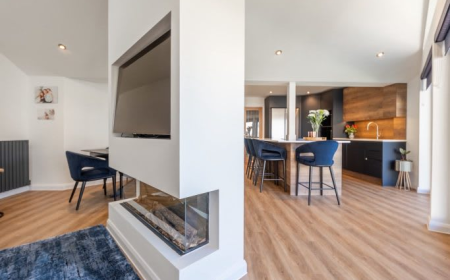
discounted solid wood furniture
 Irfangjg
Discounted Solid Wood Furniture: Making Practical Choices for Your Home
Furniture plays a major part in how a home looks and feels, but it also needs to cope with everyday life. A dining table may be used for family meals and paperwork, a wardrobe may hold years of clothing, and a chest of drawers may be opened several times a day. For this reason, choosing furniture is often about finding a sensible balance between appearance, practicality and budget.
Wooden furniture remains a familiar choice in many homes across the United Kingdom. Its natural character can suit traditional properties, modern houses and everything in between. Different grains, finishes and tones can also give each piece a slightly different appearance.
For people comparing discounted solid wood furniture, it is useful to look beyond the price alone. The size of the piece, the type of construction, the available space and how the furniture will be used can all matter in the long run.
Start by Thinking About Everyday Needs
Before choosing any piece of furniture, consider what purpose it needs to serve. A dining table for a large family will have different requirements from a small occasional table in a spare room. A wardrobe used by one person may need far less internal storage than one shared by a couple.
It can be helpful to think about your current home rather than an ideal version of it. Consider the rooms you use most, the belongings that need storing and the areas that regularly become cluttered.
Buying furniture simply because it seems like a good deal can sometimes lead to unnecessary pieces that do not fit properly into the home. Starting with a clear need makes it easier to decide whether a particular item will genuinely be useful.
A well-chosen piece does not need to be complicated. It simply needs to work with the routines of the household.
Measure Before Making a Decision
Measurements are one of the most important parts of choosing furniture. A piece can look reasonably sized in a photograph but feel much larger when placed in a real room.
Measure the available width, depth and height, but do not stop there. Think about doors, drawers and cupboard fronts that need space to open. Leave enough room for people to walk around comfortably.
This is particularly important in smaller UK homes and flats, where every part of a room may already have a purpose. A large sideboard or wardrobe may provide useful storage but become inconvenient if it blocks a walkway.
It can also be useful to mark out the approximate footprint on the floor using paper or tape. This gives a better sense of how much space the furniture will occupy.
Understand the Character of Natural Wood
One of the reasons people enjoy wooden furniture is that natural materials can have visible variations. Grain patterns, knots and slight changes in tone may all be part of the appearance.
These details mean that two pieces made from similar materials may not look exactly the same. For some people, this natural variation adds character to the furniture.
The finish can also affect the overall look. A lighter finish may suit a bright, relaxed interior, while a deeper tone can create more contrast. The choice should depend on the room, flooring and existing furniture rather than on a single trend.
Natural wood can also change slightly in appearance over time. Exposure to light and normal use may influence the colour and surface, depending on the material and finish.
Look at Construction as Well as Appearance
A piece of furniture may look attractive from the outside, but practical details are worth checking too. Doors should open and close comfortably, drawers should move smoothly and shelves should provide suitable space for the items they will hold.
The way different sections are joined can also give an indication of how the furniture has been put together. For larger items, consider whether the structure feels appropriate for regular use.
This does not mean that every piece needs to be examined like a specialist. Simple questions are often enough. Will it fit in the room? Does the storage layout work? Can it handle the way it will be used each day?
When looking at discounted solid wood furniture, paying attention to these details can help keep the decision focused on practical value rather than the reduction in price alone.
Choose Pieces That Work Together Naturally
A home does not need every piece of furniture to come from the same collection. In fact, rooms can sometimes feel more relaxed when different items are combined thoughtfully.
The important thing is to look for some connection between them. Similar wood tones, complementary colours or a shared overall style can help create a balanced appearance.
For example, a wooden dining table can work with upholstered chairs, while a simple chest of drawers may sit comfortably beside a painted bed frame. Trying to make everything match perfectly is not always necessary.
Before adding another large piece, consider whether the room needs more furniture or simply better organisation. Leaving some open space can make a home feel more comfortable.
Consider Storage Carefully
Furniture often solves storage problems, but the wrong type of storage can create new ones. A large cupboard may have plenty of internal space but be poorly arranged for the items you need to keep.
Think about what will actually go inside. Shelves are useful for folded items and boxes, drawers can help organise smaller belongings, and hanging space is essential for many types of clothing.
Storage furniture should also be easy to access. Items used every day should not be difficult to reach, while things used occasionally can be stored higher up or in less accessible areas.
A practical layout can make a modest-sized piece more useful than a larger item with poorly planned storage.
Caring for Wooden Furniture at Home
Most wooden furniture can be maintained with straightforward care. Regular dusting helps keep surfaces clean, while spills should be dealt with promptly.
The correct cleaning method depends on the type of finish. A soft cloth and a suitable cleaning product are often enough for routine care. Harsh chemicals and excessive water may not be suitable for every surface.
Using coasters, placemats and protective pads can help prevent marks caused by drinks, heat or heavy objects. It is also sensible to avoid placing furniture in conditions of extreme dampness.
Following the care guidance provided for a particular piece is usually the safest approach.
Think About Long-Term Use
Furniture is often kept for several years, so it is worth considering how a piece may fit into future changes. A spare bedroom might become a child's room, a dining room may later become a workspace, or a move to another home could change the amount of space available.
Simple, adaptable furniture can be easier to use in different settings. Neutral finishes and practical designs often work with changing wall colours and accessories.
There is no need to predict every future change, but choosing something with a clear everyday purpose can reduce the chance of it becoming unnecessary after a short time.
The most useful furniture is usually the kind that can adapt to ordinary changes in home life.
Comparing Options for a UK Home
Taking time to compare sizes, finishes and practical features can lead to a better decision. A lower price can be useful, but it should be considered alongside the furniture's dimensions, condition and suitability for the home.
Sefurnitureoutlet.com can be part of the wider comparison process for people in the United Kingdom who are considering different furniture styles and sizes. Looking at available options and checking measurements carefully can help make the search more manageable.
Discounted solid wood furniture can be a sensible choice when the focus remains on what the home actually needs. A piece should fit comfortably, provide a useful purpose and suit the routines of the people who will use it.
By measuring the room, considering storage requirements and paying attention to everyday practicality, it becomes easier to choose furniture that feels at home rather than simply filling an empty space. The best decisions are often the straightforward ones: choose what fits, what is useful and what you will be comfortable living with over time.