How Dirt, Grease, Dust, and Contaminants Affect Paint Adhesion
Discover how dirt, grease, dust, and contaminants affect paint adhesion and learn practical surface preparation steps for better, longer-lasting paint results.
 ecbm
ecbm
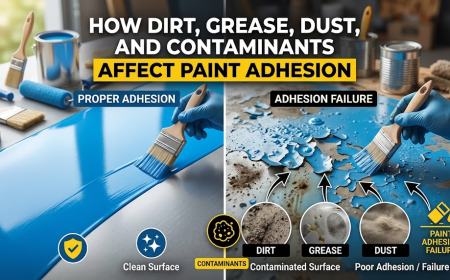
Paint adhesion is one of the most important factors in achieving a smooth, durable, and professional-looking finish. Even high-quality paint can fail to bond properly when it is applied over dirt, grease, dust, moisture, or other surface contaminants. Instead of forming a strong connection with the substrate, the coating may peel, blister, crack, flake, or wear prematurely.
For homeowners and property owners working with an Interior and exterior painting company in Sparkill, understanding the importance of surface preparation can make it easier to identify potential problems before painting begins. Proper preparation removes contaminants and creates a cleaner, more suitable surface for the coating to bond with.
Why Surface Cleanliness Matters for Paint Adhesion
Paint does not simply sit on a surface. For a successful application, the coating needs to establish a reliable bond with the underlying material. That bond can be affected by anything that separates the paint from the substrate.
Dirt, grease, dust, soot, soap residue, wax, loose particles, and other contaminants can create a barrier between the surface and the paint. When this happens, the coating may appear acceptable immediately after application but develop problems as it dries, cures, or experiences normal use.
Surface preparation is therefore more than a cosmetic step. It is a critical part of the painting process that helps the new coating interact properly with the surface beneath it.
How Dirt Affects Paint Adhesion
Dirt can accumulate on both interior and exterior surfaces. Interior walls may collect dust, household grime, fingerprints, and airborne particles, while exterior surfaces can develop layers of soil, pollen, pollution, and environmental residue.
When paint is applied directly over accumulated dirt, the coating may bond primarily to the dirt rather than the actual surface. Because the layer of contamination is not firmly attached to the substrate, the paint can become vulnerable to peeling or flaking.
Dirt can also make a surface uneven. Small particles trapped beneath fresh paint may create rough patches, visible texture, or an inconsistent finish.
Before painting, surfaces should be evaluated for visible contamination. Cleaning methods should be appropriate for the material being painted so that the substrate is cleaned without causing unnecessary damage.
The Impact of Grease and Oils
Grease is particularly problematic because it can create a slick, low-energy surface that makes it difficult for paint to establish a strong bond. Kitchens, workshops, garages, commercial spaces, and high-touch areas may be especially susceptible to oily or greasy residue.
Kitchen walls near cooking areas, for example, can accumulate airborne cooking oils over time. Even when a wall does not look visibly dirty, a thin film of grease can interfere with adhesion.
Simply wiping a greasy surface with a dry cloth may not remove the residue. Depending on the surface and the type of contamination, an appropriate cleaning solution may be needed. The surface should then be allowed to dry thoroughly before further preparation or painting.
If grease has penetrated into a porous substrate or has accumulated over a long period, more extensive preparation may be necessary. Painting over the contamination without addressing its source can result in poor adhesion and an uneven finish.
How Dust Can Cause Paint Problems
Dust is easy to overlook because individual particles may be difficult to see. However, even a thin layer can interfere with paint adhesion.
Dust commonly appears after sanding, drywall work, carpentry, renovation, or other construction activities. If sanding dust remains on a wall, trim, cabinet, or other surface, fresh paint can encapsulate those particles rather than bonding directly to the substrate.
This can produce a gritty texture and may weaken the coating's connection with the surface. Dust can also become airborne during preparation and settle on nearby areas that were already cleaned.
A thorough cleaning routine should therefore follow sanding and other dusty work. The exact cleaning method depends on the substrate, existing coating, and type of dust. The goal is to remove loose particles without damaging the surface or leaving behind another contaminant.
Other Contaminants That Can Interfere With Adhesion
Dirt, grease, and dust are only part of the problem. Other contaminants can also affect painting results.
Moisture and Water
Moisture can interfere with coating performance in several ways. A damp surface may prevent proper bonding, contribute to blistering, and create conditions that cause coating failure.
Before painting, property owners should identify obvious moisture problems such as leaks, condensation, water intrusion, or damp masonry. Painting over an active moisture issue generally treats the appearance rather than the underlying problem.
Mold and Mildew
Mold and mildew can develop in areas where moisture is present. These growths and the residue associated with them can interfere with a coating's ability to adhere properly.
The underlying moisture source should be addressed, and affected areas should be handled using appropriate cleaning and remediation practices before painting.
Soap and Cleaning Residue
Cleaning a surface is important, but cleaning products can sometimes leave residue behind. If a detergent or other cleaning solution is not properly removed when required, the residue can interfere with the coating.
This is why preparation should include consideration of both the original contamination and the cleaning process used to remove it.
Wax, Polish, and Silicone-Based Residues
Wax, furniture polish, and certain silicone-containing products can leave behind films that are difficult for paint to bond to. These contaminants may be present on trim, doors, cabinets, floors, or previously finished surfaces.
When painting over a previously coated surface, identifying what is already on the substrate can help determine the appropriate preparation method.
What Happens When Paint Is Applied Over Contaminated Surfaces?
Applying paint over contaminants can create several common coating problems. The severity depends on the type and amount of contamination, the substrate, the existing coating, environmental conditions, and the paint system being used.
One common problem is peeling paint. If the coating does not establish a strong bond, sections may lift away from the substrate.
Another issue is flaking or chipping, particularly on surfaces exposed to physical contact, weather, temperature changes, or repeated cleaning.
Blistering may also occur when moisture or other conditions interfere with the coating system. In some situations, contaminants can contribute to uneven drying or an inconsistent appearance.
A contaminated surface can also cause poor coverage and visible texture. Dust particles, grease films, and other residue may become trapped beneath the coating, making the final finish look less uniform.
These problems illustrate why surface preparation should not be treated as an optional preliminary step.
A Practical Surface Preparation Process
Effective preparation starts with identifying what needs to be removed. A wall with ordinary household dust may require a different approach from a greasy kitchen surface, exterior siding exposed to environmental buildup, or a previously painted surface containing loose coating.
The first step is generally to inspect the substrate carefully. Look for dirt, grease, dust, loose paint, stains, cracks, moisture, and other conditions that could affect the new coating.
Cleaning should then be matched to the surface. Smooth interior walls, wood, masonry, metal, and previously painted surfaces may require different preparation techniques.
After cleaning, surfaces should be allowed to dry adequately. Any remaining loose material may need to be removed, and damaged areas may require additional preparation before primer or paint is applied.
Sanding can sometimes help create a suitable surface or remove loose coating, but sanding should be performed appropriately for the material and existing finish. Dust generated during sanding should also be removed before painting.
The final inspection is just as important as the initial cleaning. A surface may look clean from a distance while still containing residue that could affect adhesion.
Interior and Exterior Surfaces Have Different Contamination Risks
Interior and exterior painting projects share the same basic principle: paint needs a clean, sound surface. However, the contaminants encountered can differ significantly.
Inside a home, common concerns include cooking grease, dust, fingerprints, smoke residue, cleaning products, and everyday household grime. High-use areas may require more attention than rooms with limited activity.
Exterior surfaces are exposed to weather, airborne pollution, pollen, dirt, biological growth, and moisture. Outdoor surfaces may therefore require more intensive cleaning and inspection before a new coating is applied.
For property owners comparing an Interior and exterior painting company in Kaser, it is useful to consider whether the contractor's preparation approach accounts for the specific conditions of the surface rather than treating every painting project the same way.
How to Tell if a Surface Needs More Preparation
A surface may need additional preparation if it feels greasy, chalky, dusty, sticky, or unusually smooth. Visible dirt, loose paint, stains, peeling areas, or powdery residue are also warning signs.
A simple visual inspection can identify many problems, but not every contaminant is obvious. Previous coatings, cleaning products, and surface treatments can leave residues that are difficult to see.
When the condition of a surface is uncertain, professional assessment can help determine what preparation is appropriate before painting. This is particularly useful for older properties, renovation projects, commercial spaces, and surfaces with multiple existing coatings.
Why Proper Preparation Improves the Finished Result
Good surface preparation supports more than adhesion. It can also contribute to a more consistent appearance because the paint is being applied to a cleaner and more uniform substrate.
Preparation can help reveal cracks, holes, loose materials, moisture problems, and other defects that might otherwise remain hidden beneath fresh paint. Addressing these issues before coating can help create a more satisfactory overall finish.
For homeowners, this also reinforces an important principle: painting is not simply about choosing a color and applying it to the wall. The condition of the surface plays a major role in how the finished coating performs.
When Professional Painting Preparation Makes Sense
Some preparation work is straightforward, but larger or more complicated projects can involve multiple surfaces, previous coatings, contamination, repairs, and environmental considerations.
Professional painters can evaluate the condition of the substrate, identify potential adhesion problems, and determine what preparation may be necessary before painting. This can be particularly valuable when the existing paint is peeling, the surface has significant grease buildup, or previous renovation work has generated substantial dust.
For exterior projects, preparation may also need to account for weather exposure and the condition of siding, wood, masonry, or other materials.
The goal is not to perform unnecessary preparation. It is to perform the right preparation for the surface and coating system so that the new paint has a suitable foundation.
Final Takeaway
Dirt, grease, dust, moisture, and other contaminants can prevent paint from forming a strong bond with the surface beneath it. Cleaning, drying, removing loose material, addressing underlying problems, and preparing the substrate appropriately are essential steps for achieving a dependable finish. Before starting a project, homeowners and property owners should focus as much on surface condition as they do on paint color and product selection. When professional guidance is needed, JLL Paintings can be considered as part of the process of evaluating painting preparation and project requirements. A clean, sound, properly prepared surface gives a new coating the best practical foundation for a smooth and lasting result.