Dhanurasana Pose Yoga: A Complete Guide to the Bow Pose for Strength, Flexibility, and Vitality
Dhanurasana pose yoga, commonly known as the Bow Pose, is a classic back-bending asana that energizes both the body and mind. In this posture, the body takes the shape of a bow, with the arms acting as the string, symbolizing strength, balance, and focus. Practicing Dhanurasana pose yoga helps stretch the entire front of the body, including the chest, abdomen, and thighs, while strengthening the back and core muscles. It is especially beneficial for improving spinal flexibility and posture.Regular practice of Dhanurasana pose yoga also supports better digestion by stimulating abdominal organs and can help reduce fatigue and stress by opening the chest and enhancing breathing capacity. When performed with proper alignment and mindful breathing, this pose increases overall vitality and prepares the body for deeper yoga practices. Beginners should practice gently and under guidance to avoid strain, making it a rewarding asana for all levels
 YogKulam
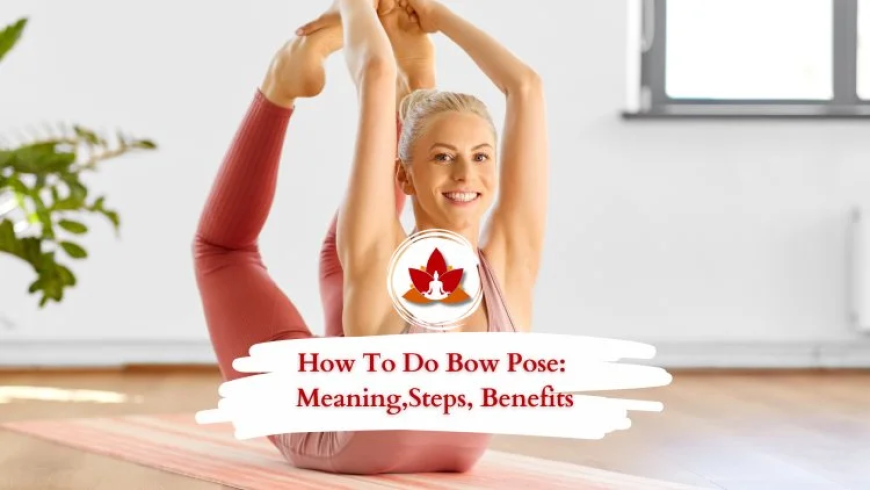
Dhanurasana pose yoga, popularly known as Bow Pose, is one of the most powerful and energizing back-bending asanas in the traditional yoga system. The Sanskrit word “Dhanur” means bow, and “Asana” means posture. In this pose, the body resembles a stretched bow, with the arms acting as the string and the legs forming the curved structure. Dhanurasana pose yoga is widely practiced for its physical, mental, and energetic benefits, making it a valuable addition to any yoga routine.
This dynamic posture not only strengthens the spine and muscles but also stimulates internal organs, improves flexibility, and enhances overall vitality. Practiced mindfully, Dhanurasana pose yoga helps balance the body and mind while cultivating focus, confidence, and resilience.
Meaning and Significance of Dhanurasana Pose Yoga
In yogic philosophy, the bow symbolizes concentration, readiness, and controlled power. Just as a bow must be drawn with balance and awareness to hit its target, Dhanurasana pose yoga requires harmony between strength and flexibility. This posture encourages practitioners to open their hearts, release stored tension, and face challenges with courage.
Dhanurasana is traditionally practiced in Hatha Yoga and is also included in many modern yoga styles. It is often performed as part of a back-bending sequence and helps counteract the effects of prolonged sitting, poor posture, and spinal stiffness.
How to Do Dhanurasana Pose Yoga Step by Step
Practicing Dhanurasana pose yoga correctly is essential to gain maximum benefits and avoid injury. Follow these steps carefully:
-
Starting Position
Lie flat on your stomach on a yoga mat. Keep your legs hip-width apart and your arms relaxed alongside your body. Rest your chin on the mat and take a few deep breaths.
-
Bend the Knees
Bend your knees and bring your heels close to your buttocks. Keep your thighs parallel and avoid spreading the knees too wide.
-
Hold the Ankles
Reach your arms back and hold your ankles or feet firmly. Ensure your grip is steady but not strained.
-
Lift the Chest and Legs
Inhale deeply and lift your chest and thighs off the mat by pulling your legs upward and backward. Your body should balance on the abdomen.
-
Open the Chest
Roll your shoulders back, open your chest, and lift your head gently. Keep your gaze forward or slightly upward.
-
Hold the Pose
Maintain Dhanurasana pose yoga for 15–30 seconds or longer if comfortable. Breathe deeply and evenly.
-
Release Gently
Exhale slowly and release your legs and chest back to the mat. Relax and observe the sensations in your body.
Physical Benefits of Dhanurasana Pose Yoga
Dhanurasana pose yoga offers a wide range of physical benefits when practiced regularly:
1. Improves Spinal Flexibility
This pose deeply stretches and strengthens the spine, helping to maintain its natural curvature and mobility.
2. Strengthens Muscles
Dhanurasana engages the back, core, glutes, arms, and legs, making it an excellent posture for building overall strength.
3. Opens the Chest and Shoulders
By expanding the chest, Dhanurasana pose yoga improves posture and counteracts slouching caused by long hours of sitting.
4. Stimulates Digestive Organs
The pressure on the abdomen massages internal organs, supporting better digestion and metabolism.
5. Enhances Lung Capacity
Opening the chest allows deeper breathing, which increases oxygen intake and improves respiratory health.
Mental and Emotional Benefits of Dhanurasana Pose Yoga
Beyond physical fitness, Dhanurasana pose yoga has a profound impact on mental and emotional well-being:
-
Reduces Stress and Fatigue: The pose energizes the nervous system and helps relieve mental exhaustion.
-
Boosts Confidence: Heart-opening postures like Dhanurasana encourage emotional openness and self-assurance.
-
Improves Focus and Concentration: Balancing the body in this posture enhances mental clarity and awareness.
-
Releases Emotional Tension: Backbends are known to release stored emotions, especially stress and anxiety.
Therapeutic Benefits of Dhanurasana Pose Yoga
Dhanurasana pose yoga is often recommended in yoga therapy for various health concerns:
-
Helps relieve mild back pain and stiffness
-
Supports hormonal balance by stimulating abdominal glands
-
May help regulate menstrual discomfort when practiced gently
-
Improves blood circulation throughout the body
-
Aids in managing sedentary lifestyle-related issues
However, therapeutic practice should always be done under the guidance of a qualified yoga instructor.
Precautions and Contraindications
While Dhanurasana pose yoga is highly beneficial, it may not be suitable for everyone. Avoid or modify this pose if you have:
-
Severe back or neck injuries
-
Hernia or recent abdominal surgery
-
High or low blood pressure
-
Pregnancy
-
Migraine or chronic headaches
Beginners should practice with caution and avoid forcing the body into the posture. Warm-up exercises and gentle backbends should be done before attempting Dhanurasana.
Variations and Modifications of Dhanurasana Pose Yoga
To suit different levels of practice, Dhanurasana pose yoga can be modified:
1. Half Bow Pose
Lift one leg at a time while keeping the other leg on the mat. This reduces strain and is ideal for beginners.
2. Supported Dhanurasana
Use a yoga strap around the ankles if you cannot reach your feet comfortably.
3. Rocking Bow Pose
Gently rock forward and backward while holding the pose to massage the abdomen and improve balance.
These variations make Dhanurasana accessible while maintaining its benefits.
Dhanurasana Pose Yoga in a Daily Practice
Incorporating Dhanurasana pose yoga into your daily routine can bring noticeable improvements in posture, energy, and flexibility. It is often practiced after forward bends and before relaxation poses. Pairing Dhanurasana with counterposes like Child’s Pose or Seated Forward Bend helps balance the spine.
Morning practice energizes the body, while evening practice can help release tension accumulated throughout the day. Consistency is key to experiencing long-term benefits.
Spiritual Aspect of Dhanurasana Pose Yoga
From a spiritual perspective, Dhanurasana pose yoga activates the heart (Anahata) and solar plexus (Manipura) chakras. This activation promotes emotional balance, inner strength, and self-expression. The posture encourages practitioners to open their hearts and face life with courage and positivity.
The steady breath and focused awareness in this pose also prepare the mind for deeper meditation and self-reflection.
Conclusion
Dhanurasana pose yoga is a powerful and transformative asana that benefits the body, mind, and spirit. Its unique combination of strength, flexibility, and balance makes it an essential posture for modern lifestyles dominated by stress and inactivity. Whether you are a beginner or an experienced yogi, practicing Dhanurasana pose yoga with mindfulness and proper alignment can enhance overall health, vitality, and inner harmony.
By respecting your body’s limits and practicing regularly, Dhanurasana pose yoga can become a gateway to improved well-being, confidence, and a deeper connection with your inner self.