Commercial Solar Energy Solutions That Pay for Themselves
 absalamgr
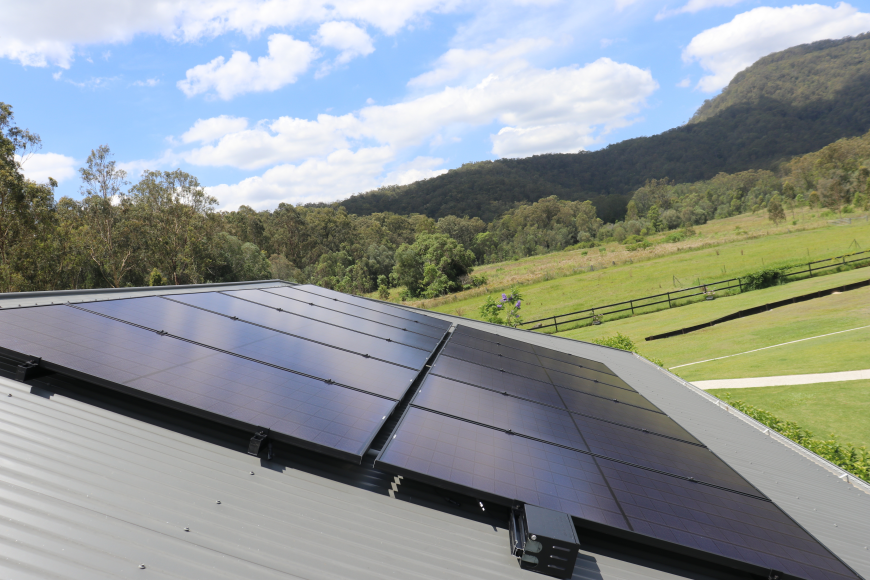
In recent years, commercial solar energy has become one of the most practical investments a business can make. With rising electricity costs, sustainability goals, and government incentives, switching to solar isn’t just a trend — it’s a sound financial strategy. Whether you run a small warehouse or a large industrial facility, solar energy can reduce overhead, boost brand reputation, and provide long-term returns. For verified details on solar policies, check the Australian Government Department of Climate Change, Energy, the Environment and Water for current commercial solar guidelines.
Understanding Commercial Solar Energy
Commercial solar energy refers to solar power systems installed on commercial buildings or business properties. These setups typically involve photovoltaic (PV) panels that convert sunlight into usable electricity for operations. Businesses of all sizes — from local stores to multinational corporations — utilize commercial solar systems to reduce power bills and operate more sustainably.
Unlike residential solar, which focuses on household energy needs, commercial solar energy systems are designed for higher capacity and performance. They often feature advanced technologies like microinverters, battery storage solutions, and energy management systems to optimize energy use throughout the day.
Why Businesses Are Choosing Commercial Solar Energy
1. Significant Cost Savings
Electricity is a major expense for most businesses. By installing a commercial solar energy system, companies can generate their own electricity and drastically reduce their reliance on the grid. In many regions, businesses can even sell excess power back to the utility company through net metering programs, turning their rooftop into a revenue-generating asset.
2. Fast Payback Periods
Commercial solar systems often pay for themselves in as little as three to five years. After that, businesses enjoy years of free power generation with minimal maintenance costs. With warranties extending up to 25 years, solar panels continue producing energy long after the initial investment has been recovered.
3. Government Incentives and Tax Benefits
Many governments offer generous incentives for solar installation, including tax credits, rebates, and depreciation benefits. In Australia, for example, the Small-scale Renewable Energy Scheme (SRES) provides certificates that can offset installation costs. In the U.S., the federal Investment Tax Credit (ITC) allows businesses to deduct a significant portion of their solar investment from taxes.
4. Energy Independence
Businesses that rely on the grid are subject to price hikes and energy shortages. With a commercial solar energy system, companies can produce their own electricity, reducing exposure to volatile energy markets. Adding a solar battery storage system, such as the Tesla Powerwall or Sigenergy SigenStor, can further stabilize energy availability.
5. Boosting Corporate Sustainability
More consumers and investors now prioritise eco-friendly brands. Solar power allows businesses to reduce their carbon footprint and showcase genuine commitment to environmental responsibility. This sustainable approach not only benefits the planet but also strengthens customer loyalty and brand trust.
Components of a Commercial Solar Energy System
A commercial solar setup includes more than just solar panels. Understanding each component helps business owners make informed decisions about system design and performance.
-
Solar Panels: Capture sunlight and convert it into direct current (DC) electricity.
-
Inverters: Convert DC electricity into alternating current (AC), which powers your business equipment.
-
Mounting Systems: Secure panels to rooftops, carports, or ground-mounted structures.
-
Solar Batteries: Store excess energy for use during night hours or power outages.
-
Monitoring Systems: Provide real-time data on energy production and consumption.
Each component plays a vital role in system efficiency, and selecting reliable hardware ensures durability and long-term savings.
Types of Commercial Solar Installations
1. Rooftop Solar Systems
Rooftop installations are the most common type for commercial buildings. They utilise unused roof space, making them ideal for offices, retail outlets, and warehouses.
2. Ground-Mounted Systems
For properties with open land, ground-mounted solar systems allow flexible positioning and easy maintenance. These setups can be scaled for industrial or agricultural operations.
3. Carport Solar Structures
Solar carports provide shade for vehicles while generating electricity. They are a smart use of space for businesses with large parking lots, such as shopping centres or office complexes.
The Financial Side: How Solar Pays for Itself
Commercial solar energy systems may require upfront investment, but they deliver substantial long-term gains. Here’s how:
Lower Electricity Bills
By producing on-site power, your business can cut monthly utility expenses by up to 70%. Over 25 years, this can add up to hundreds of thousands in savings.
Tax Credits and Rebates
Depending on your region, solar incentives can reduce initial costs by 20–50%. Combined with accelerated depreciation programs, your return on investment grows even faster.
Asset Appreciation
Installing solar increases the value of commercial property. Prospective buyers are attracted to lower operating costs and eco-friendly infrastructure.
Predictable Energy Costs
Solar provides stable electricity pricing, protecting your business from unpredictable energy hikes. This stability simplifies budgeting and long-term planning.
What to Consider Before Installing Commercial Solar Energy
1. Roof or Site Condition
Ensure your roof is in good structural condition and large enough to support the solar array. If the roof is aging, consider replacement before installation.
2. Energy Consumption Analysis
A detailed assessment of your current power usage helps determine the right system size. Many installers conduct free energy audits to design the most efficient setup.
3. Choosing the Right Installer
Work with certified, reputable installers who have proven experience with commercial systems. Look for customer reviews, warranty terms, and transparent pricing.
4. Financing Options
You don’t have to pay for solar upfront. Many businesses choose financing options such as power purchase agreements (PPAs), solar leases, or green energy loans to spread costs over time.
Real-World Example: Commercial Solar in Action
Imagine a medium-sized manufacturing company spending $10,000 monthly on electricity. After installing a 200 kW solar system, their monthly bill drops to $3,000. With available rebates and tax incentives, the system pays for itself in under five years. Over its 25-year lifespan, the company saves more than $1 million — all while operating sustainably and reducing CO2 emissions.
The Role of Solar Battery Storage
Battery storage has revolutionised commercial solar energy systems. It allows businesses to store excess energy produced during the day and use it during peak hours or power outages. Modern battery systems, such as Tesla Powerwall 3 or Sigenergy SigenStor, provide smart energy management and seamless integration with solar arrays.
The benefits include:
-
Backup power during blackouts
-
Greater energy independence
-
Reduced demand charges
-
Improved grid stability
The Environmental Impact of Commercial Solar Energy
Every kilowatt-hour of solar power generated replaces electricity that might otherwise come from fossil fuels. Businesses switching to solar contribute to:
-
Reduced greenhouse gas emissions
-
Lower air pollution
-
Decreased reliance on non-renewable resources
A single commercial solar system can offset tens of thousands of kilograms of CO2 emissions annually, equivalent to planting hundreds of trees each year.
The Future of Commercial Solar Energy
As solar technology continues to evolve, systems are becoming more efficient, affordable, and flexible. Advancements in panel design, AI-driven monitoring, and hybrid inverter systems are making solar integration smoother than ever.
Governments and corporations worldwide are pushing toward net-zero goals, and solar energy is central to that mission. For businesses, adopting solar today means staying ahead of regulatory changes and benefiting from early-adopter incentives.
FAQs About Commercial Solar Energy
Are commercial solar panels worth it?
Yes, commercial solar panels are worth it for most businesses. They significantly reduce electricity costs, deliver strong returns on investment, and enhance sustainability. The payback period typically ranges from three to five years, after which energy generation is essentially free.
How efficient are commercial solar panels?
Modern commercial solar panels are highly efficient, with average conversion rates between 18% and 22%. Premium models using monocrystalline cells can exceed 23%, allowing businesses to generate more power even in limited space.
How long do commercial solar panels last?
Most commercial solar panels last between 25 and 30 years. While efficiency may slightly decline over time, quality panels maintain strong output throughout their lifespan with minimal maintenance.
How much do commercial solar panels cost?
The cost varies depending on system size, location, and equipment. On average, a commercial solar system ranges from $100,000 to $400,000, but rebates and tax incentives can reduce upfront costs by up to 50%.
How long does it take to install commercial solar panels?
Installation time depends on system size and site conditions. Most commercial installations take four to eight weeks from design approval to completion, including inspections and grid connection.
How to choose a commercial solar street light provider?
Select a provider with experience in large-scale lighting systems, offering quality components, warranties, and after-sales support. Always check for certifications and customer feedback before committing.
How to install commercial solar panels?
Installation should always be handled by licensed solar professionals. It involves site assessment, structural evaluation, system design, panel mounting, wiring, and grid connection. DIY installation is not recommended for commercial systems.
What is commercial solar?
Commercial solar refers to solar energy systems installed for businesses, institutions, or industrial facilities. These systems supply renewable electricity to power operations, reduce utility expenses, and support sustainability goals.
When did solar panels become commercially available?
Solar panels became commercially available in the 1950s, but widespread adoption began in the 2000s as efficiency improved and costs dropped. The technology continues to evolve rapidly.
Where to buy commercial solar panels?
Businesses should purchase panels through certified solar installers or authorised distributors. Working with a reputable provider ensures warranty protection, proper installation, and compliance with local energy regulations.
Which solar panel is best for commercial use?
Monocrystalline panels are typically the best for commercial applications. They offer high efficiency, long lifespan, and sleek design. Brands like Trina Solar, JinkoSolar, and Canadian Solar are well-regarded for reliability and performance.
Final Thoughts
Commercial solar energy is no longer just an environmental choice; it’s a strategic business move. The financial, environmental, and reputational benefits make it one of the smartest investments available. From reduced power bills to enhanced brand image, the rewards are clear and long-lasting.
If your business is exploring renewable energy solutions, consider partnering with a trusted solar installer experienced in commercial systems. With the right design and technology, your investment in solar energy will literally pay for itself — and continue delivering value for decades to come. For more information, explore commercial solar energy solutions to see how businesses are saving with expert design and installation. You can also learn about Australian solar incentives and rebates from the Clean Energy Regulator for verified details on renewable energy programs.