Choosing the Right Laboratory Worksurfaces for Efficiency and Safety
Choosing the correct laboratory worksurfaces not only improves functionality but also helps maintain a clean, compliant, and safe work area.
 jayden
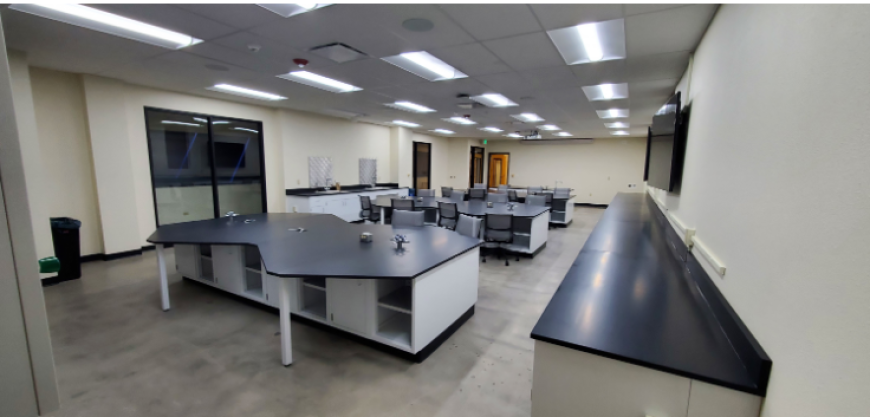
Worksurfaces play a fundamental role in any lab environment. They are the foundation for daily operations, ranging from complex chemical testing to equipment setup and sample preparation. Choosing the correct laboratory worksurfaces not only improves functionality but also helps maintain a clean, compliant, and safe work area.
Whether the lab is in a school, industrial facility, or research center, worksurfaces must match the demands of the tasks performed. These surfaces face regular exposure to harsh chemicals, heat, moisture, and mechanical wear.
Types of Laboratory Worksurfaces
There is no one-size-fits-all option when it comes to laboratory worksurfaces. Different applications require different materials based on chemical resistance, thermal stability, and physical strength.
· Epoxy Resin – Known for high chemical and heat resistance, epoxy resin is one of the most commonly used materials in labs. It performs well in wet environments and can handle high temperatures without degradation. It is also non-porous, making it resistant to bacterial growth and easy to clean.
· Phenolic Resin – This surface offers good chemical resistance and is lighter than epoxy resin. It works well in labs with limited exposure to heat or extremely corrosive substances. Phenolic resin is often selected for its balance between cost and performance.
· Stainless Steel – Preferred in cleanrooms and biological labs, stainless steel offers unmatched hygiene and corrosion resistance. It is ideal for areas where frequent cleaning with harsh disinfectants is necessary, though it may show scratches over time.
· High-Pressure Laminate (HPL) – Suitable for dry labs and environments where chemical exposure is minimal, HPL surfaces are cost-effective and available in many finishes. However, they are not ideal for heavy chemical or heat usage.
Matching Surfaces to Laboratory Functions
The specific function of a lab often dictates the right worksurface material. For instance, a chemistry lab handling reagents and acids should use surfaces with high chemical resistance. Microbiology labs, where sterility is a priority, are better suited to stainless steel or epoxy resin that can withstand frequent disinfection. Dry labs used for data analysis, electronics assembly, or instrumentation typically don't need high-grade chemical resistance. In such cases, a cost-effective laminate surface may be sufficient.
Understanding how each surface aligns with the lab’s core tasks ensures both safety and performance while also maximizing budget efficiency.
Conclusion
The choice of laboratory worksurfaces has a direct impact on safety, cleanliness, and productivity. Selecting the right material involves understanding the lab’s specific needs and the demands placed on work areas. By making informed decisions and committing to regular maintenance, labs can ensure that their workspaces support reliable, efficient, and safe operations for years to come.