Carbon Wrapping for Columns: Durable and Efficient Column Strengthening Solutions
Looking for effective column strengthening? Carbon wrapping for columns enhances load-bearing capacity, prevents cracks, and provides long-lasting structural stability.
 gubbi11
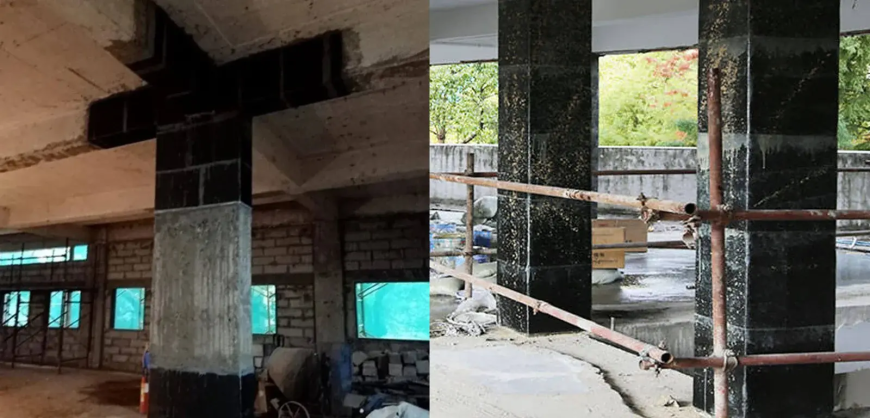
Structural stability is a critical aspect of any building, whether residential, commercial, or industrial. Columns bear the weight of slabs, beams, and walls, making them vital load-bearing elements. Over time, these columns may lose their strength due to environmental exposure, heavy loads, or design limitations. Carbon wrapping for columns offers a reliable solution to enhance strength, durability, and seismic resistance without significant structural alterations or added bulk.
What is Carbon Wrapping for Columns?
Carbon wrapping involves applying carbon fiber sheets or fabrics to existing concrete or RCC columns. These fibers are bonded with high-strength epoxy resins, creating a composite layer that increases load-bearing capacity. This technique is widely used for structural retrofitting, especially in older buildings or those exposed to seismic activity. Carbon fiber materials are lightweight, corrosion-resistant, and provide long-term durability, making them ideal for reinforcing columns efficiently.
Why Choose Carbon Fiber for Column Strengthening?
Carbon fiber has become a preferred solution for column strengthening due to its exceptional strength-to-weight ratio. Unlike traditional steel jacketing, carbon fiber does not add significant weight, preventing additional stress on the structure. Its high tensile strength ensures that columns can withstand higher loads and resist cracking. Additionally, carbon fiber wrapping is fast to install and does not disrupt normal building operations, making it a practical choice for urban construction projects.
Applications of Carbon Wrapping in Buildings
Carbon wrapping is versatile and can be used in various types of structures. In residential buildings, it helps extend the life of aging columns and supports renovation projects. Commercial buildings use carbon fiber reinforcement to handle increased load requirements due to additional floors or heavy equipment. Industrial facilities benefit from improved seismic resistance and durability. This method is also used in heritage building restoration, where maintaining architectural integrity is crucial while strengthening structural elements.
Benefits of Carbon Wrapping for Columns
The primary advantage of carbon wrapping is its ability to enhance structural performance without extensive reconstruction. It improves load-bearing capacity, prevents column failure, and reduces cracking. The lightweight nature of carbon fiber avoids added stress, while its corrosion resistance ensures longevity. Moreover, the installation process is faster and less labor-intensive compared to conventional methods. Carbon wrapping also allows architects and engineers to strengthen columns without affecting the aesthetics of the building.
Step-by-Step Process of Carbon Wrapping
The carbon wrapping process begins with surface preparation. Columns are cleaned to remove dust, debris, and loose concrete. Any cracks or damaged areas are repaired with suitable epoxy fillers. Once the surface is smooth, carbon fiber sheets are applied along the column, and epoxy resin is used to bond the material firmly. The wrapping is cured under controlled conditions to ensure optimal strength. Finally, a protective coating may be applied to shield the surface from environmental damage.
Carbon Wrapping vs Traditional Column Strengthening
Compared to traditional methods like steel jacketing or concrete encasement, carbon wrapping offers several advantages. It is faster, lighter, and less intrusive. Steel jacketing increases the column’s weight and may require structural modifications, while concrete encasement can alter the building’s appearance and reduce usable space. Carbon fiber wrapping provides equal or superior strength enhancement without these drawbacks, making it a preferred choice for modern construction and retrofitting projects.
Carbon Wrapping for Seismic Resistance
In earthquake-prone regions, carbon wrapping significantly improves the seismic performance of columns. The additional fiber layer increases ductility, allowing columns to absorb and redistribute seismic energy. This reduces the risk of sudden failure during tremors and enhances overall building safety. Retrofitting older buildings with carbon fiber reinforcement can prevent structural collapse, providing peace of mind for owners and occupants while meeting modern earthquake-resistant design standards.
Choosing the Right Carbon Wrapping Service
Selecting a reliable service provider is crucial for successful carbon wrapping. Look for companies with experience in structural retrofitting, certified materials, and skilled technicians. Proper assessment of column conditions, load requirements, and environmental factors ensures optimal results. A professional team will provide detailed planning, high-quality materials, and precise execution, guaranteeing long-term structural stability. Client testimonials and completed project portfolios can also indicate service quality and reliability.
Carbon wrapping for columns is an efficient, durable, and modern solution for strengthening structures. It enhances load-bearing capacity, prevents cracking, and provides seismic resistance while maintaining the building’s aesthetics. With proper installation and expert guidance, carbon fiber reinforcement can extend the lifespan of columns and ensure structural safety. For property owners, engineers, and builders looking for a reliable and cost-effective solution, carbon wrapping remains the preferred choice in modern construction and retrofitting projects.