Are offices for sale in Doha a good investment right now?
The real estate market in Doha has always been closely tied to Qatar's economic pulse. As of 2025, investors are increasingly asking: are offices for sale in Doha a good investment?
 arwaisameldin
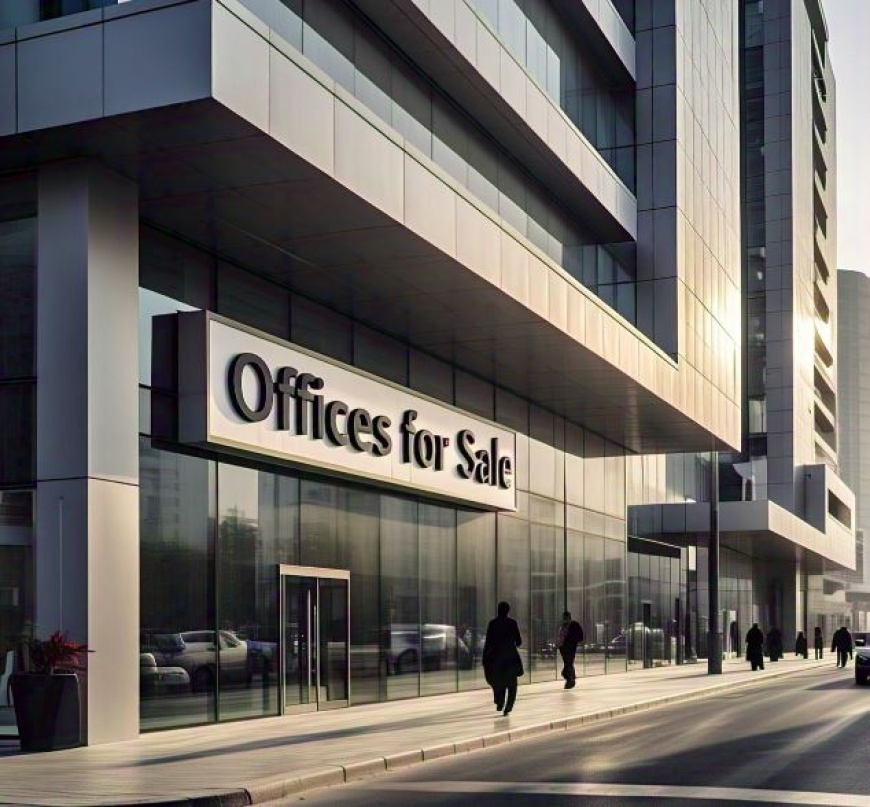
The short answer is: it depends on your strategy, risk appetite, and the specific slice of the market you target. Let's break it down clearly.
Post-World Cup Momentum
Qatar hosted the FIFA World Cup in 2022, pouring billions into infrastructure, hospitality, and urban development. That momentum hasn't just faded. Major projects like Lusail City, Msheireb Downtown Doha, and the expansion of Hamad International Airport continue to fuel business activity. These developments have strengthened the commercial real estate sector by modernizing the city and making it more attractive to multinational corporations and regional businesses.
This post-World Cup infrastructure boom means that demand for quality office spaces in prime locations is relatively healthy. In particular, areas like West Bay, Lusail, and The Pearl are seeing consistent interest.
Market Dynamics: Supply vs. Demand
However, supply is an important factor. The boom leading up to 2022 created a flood of new office inventory. As a result, there is a clear oversupply, especially in older or less central buildings. This has pressured rents and sales prices in some sectors.
Premium, well-located office spaces are faring better. Offices in iconic towers or newly developed sustainable buildings are outperforming older stock. Businesses increasingly prefer "green" buildings, and new entrants are willing to pay a premium for prestige addresses.
Investors need to be strategic. Buying cheap space in an outdated building may seem like a bargain but could turn into a long-term vacancy problem. On the other hand, prime properties with good amenities, parking, and sustainability credentials can offer solid rental yields and capital appreciation.
Economic Stability and Vision 2030
Qatar remains one of the most economically stable countries in the Gulf. The government’s National Vision 2030 emphasizes diversification away from hydrocarbons toward knowledge-based sectors, finance, tourism, and education. This means a growing demand for office spaces tailored to new industries.
The steady rollout of free zones like Qatar Free Zones Authority (QFZA) and Qatar Financial Centre (QFC) also facilitates foreign investment and corporate setup. Companies operating under these regimes often seek premium office space within designated business districts, providing a steady stream of tenants.
Moreover, the gas expansion projects and Qatar's growing geopolitical importance mean that corporate presence will only grow, not shrink.
Regulatory Framework and Foreign Ownership
Another important factor is that Qatar has liberalized its real estate ownership laws. Foreigners can now buy in more areas and have permanent ownership rights in designated investment zones.
For office properties, this means broader potential for resale and rental markets. Before the legal changes, investing as a foreigner was cumbersome; now, it's a lot more straightforward, although navigating local legal requirements still demands professional guidance.
Rental Yields and ROI
Rental yields for prime office space in Doha currently hover around 7-9% gross, depending on location and tenant quality. These are solid numbers compared to other global cities.
However, investors must factor in service charges, maintenance costs, and potential incentives (like rent-free periods) that tenants expect. Net yields can thus be lower, realistically around 5-6%.
Another thing to consider is capital gains. While rental returns look attractive, capital appreciation is slower in the office sector compared to residential properties. Doha’s residential market is recovering faster post-World Cup, while the office sector remains more of a steady, income-focused play.
Risks to Watch
-
Oversupply Risk: With high vacancy rates in older buildings, it may take time to lease new purchases.
-
Tenant Risk: Quality tenants (corporates, embassies, institutions) matter a lot. Without them, returns can suffer.
-
Economic Shock: Though unlikely given Qatar’s robust financial buffers, any major regional instability could shake confidence.
-
Currency Risk: If you’re investing from abroad, currency fluctuations could impact returns.
Opportunities Emerging
On the flip side, prices for commercial property have corrected since 2020. For buyers with a medium-to-long-term horizon, this could be a smart entry point. Offices tied to growing sectors like tech, financial services, and logistics are poised to benefit from Qatar's 2030 diversification push.
There’s also an emerging trend toward flexible office space and coworking hubs. Traditional corporate leases are still dominant, but flexible models are gaining ground. Investors who adapt properties to cater to this demand (modular layouts, short-term leasing) could outperform.
Final Verdict
Are offices for sale in Doha a good investment right now? If you are selective, think long-term, and aim for quality properties in strong locations, the answer is yes.
Don’t expect instant flips or speculative gains. Focus on rental income, tenant stability, and solid building fundamentals. Work with local advisors to navigate the legal landscape, and understand exactly what type of tenant you’re targeting before you buy.
For serious investors looking for exposure to a stable, wealthy, and fast-evolving Gulf economy, Doha’s office market offers real opportunities — but only if you move smartly.