Carbon Fibre Wrapping: Effective Structural Strengthening Solution
Enhance building safety with carbon fibre wrapping. Durable, lightweight, and corrosion-resistant solution for concrete repair, column strengthening, and retrofitting.
 gubbi11
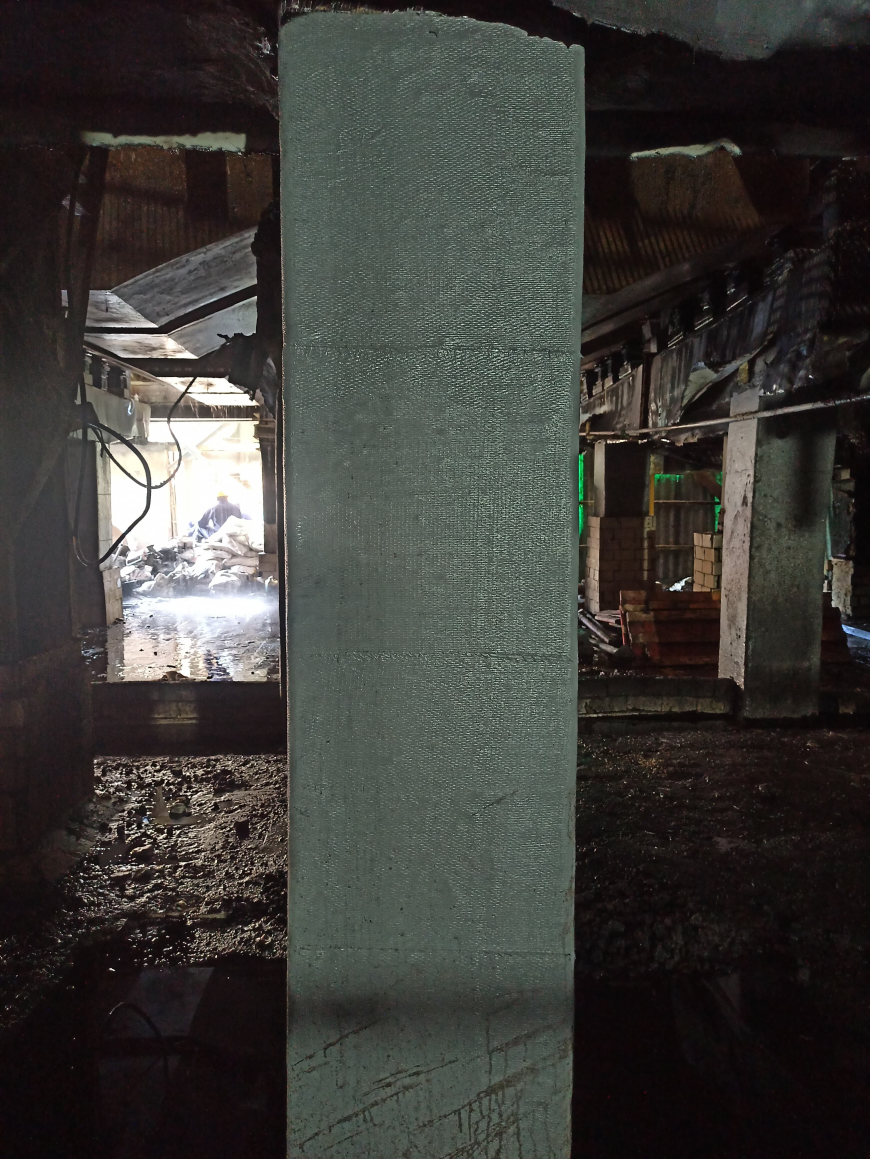
In modern construction, maintaining the integrity of concrete structures is crucial. Carbon fibre wrapping has emerged as a reliable technique to reinforce columns, beams, and walls without major reconstruction. This method involves applying high-strength carbon fibre sheets on structural elements, enhancing their load-bearing capacity and durability. Unlike traditional strengthening methods, it is lightweight, cost-effective, and offers long-term protection, making it ideal for both residential and commercial buildings.
What is Carbon Fibre Wrapping?
Carbon fibre wrapping, also known as carbon fibre reinforced polymer (CFRP) wrapping, is a technique used to strengthen structural components. The process involves bonding carbon fibre sheets with epoxy resin onto concrete surfaces. Once cured, these layers provide additional tensile strength and prevent cracks or structural failure. Engineers often choose this method for repairing damaged columns, beams, or slabs, as it increases resistance against seismic activity, heavy loads, and environmental wear.
Benefits of Carbon Fibre Wrapping
One major advantage of carbon fibre wrapping is its minimal weight. Unlike steel reinforcement, CFRP adds almost no extra load to the structure. It is highly resistant to corrosion, ensuring durability even in harsh weather conditions. The installation is quick and non-intrusive, allowing buildings to remain operational during the strengthening process. Additionally, it enhances seismic performance, making it a preferred choice in earthquake-prone regions across India.
Applications of Carbon Fibre Wrapping
Carbon fibre wrapping is versatile and widely used in structural retrofitting. Common applications include strengthening bridge piers, water tanks, high-rise building columns, and industrial structures. It is also effective for repairing structures affected by fire, water leakage, or aging. Engineers often combine CFRP with other reinforcement techniques for maximum effectiveness. Its adaptability and reliable performance make it an essential solution for civil engineers and construction companies seeking long-term structural safety.
Step-by-Step Process
The carbon fibre wrapping process begins with surface preparation, where damaged concrete is cleaned and roughened to ensure proper adhesion. Next, an epoxy resin is applied, followed by the careful placement of carbon fibre sheets around the element. Multiple layers may be used depending on the structural requirement. Finally, the resin is cured, forming a rigid, high-strength composite. The process requires skilled labor, as precision ensures the maximum strengthening benefit.
Why Choose Carbon Fibre Over Traditional Methods
Traditional concrete or steel jacketing methods can be time-consuming, expensive, and intrusive. Carbon fibre wrapping provides a faster, cleaner alternative. It avoids major demolition and allows for easy application in confined spaces. Its resistance to corrosion is superior to steel, reducing long-term maintenance costs. Engineers prefer CFRP for strengthening old or heritage structures because it preserves the original architectural aesthetics while providing modern structural support.
Safety and Compliance
Carbon fibre wrapping is designed to meet international safety and engineering standards. It provides enhanced structural stability, reducing risks associated with structural failure. Regular inspection and proper installation are crucial to ensure compliance with safety guidelines. Construction firms and engineers must follow recommended practices for epoxy application and curing to maximize performance. When executed correctly, CFRP wrapping significantly improves the safety and lifespan of concrete structures.
High-Demand Areas in India
The demand for carbon fibre wrapping has grown significantly in metro cities like Mumbai, Delhi, Bangalore, and Pune. With urban expansion and aging infrastructure, civil engineers and contractors frequently turn to CFRP solutions. Bridges, high-rise buildings, industrial facilities, and heritage structures all benefit from this advanced strengthening technique. As India focuses on urban development, carbon fibre wrapping continues to be a preferred solution for enhancing structural integrity without compromising space or aesthetics.
Maintenance and Longevity
Once installed, carbon fibre wrapping requires minimal maintenance. It resists corrosion, weathering, and environmental impacts, ensuring long-term durability. Periodic inspections can help detect any surface damage, but the core structural benefits remain intact for decades. The lightweight and flexible nature of CFRP allows structures to adapt to minor shifts or vibrations, further prolonging their service life. Its longevity makes it an investment that combines safety with cost efficiency.
Carbon fibre wrapping has revolutionized structural strengthening by providing an efficient, cost-effective, and long-lasting solution. It enhances load-bearing capacity, prevents damage, and improves seismic performance without heavy reconstruction. Its versatility, minimal maintenance, and aesthetic preservation make it ideal for residential, commercial, and industrial applications. For engineers and building owners in India, carbon fibre wrapping is the modern answer to preserving structural safety while optimizing resources and time.