Boosting Operational Efficiency With Advanced RFID Scanners: A Complete Guide for Modern Businesses
 theirysgroup12
In today’s fast-paced business landscape, accuracy, speed, and traceability play a vital role in inventory management and asset tracking. As companies continue to embrace digital transformation, RFID technology has become a game-changer across industries, particularly in retail, logistics, manufacturing, and jewelry management. Among the essential RFID-enabled tools, scanners are central to achieving efficiency and reducing manual errors. By streamlining tracking operations, RFID scanners help businesses gain real-time visibility and full control over their stock movements.
In this guide, we will explore how RFID scanners work, their benefits, use cases, and how to choose the right device for your business. We will also address cost factors and why investing in quality RFID devices ensures long-term ROI.
What is an RFID Tag Scanner?
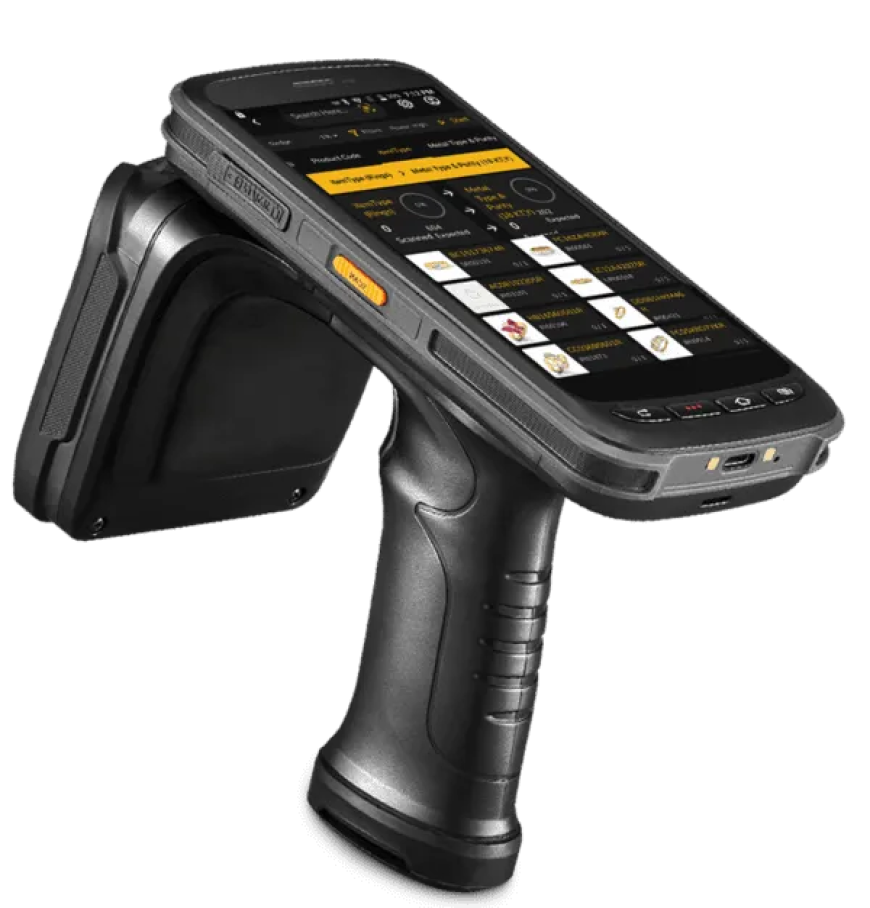
An RFID scanner (also referred to as a reader) communicates with RFID tags using radio waves, capturing data from tagged items without needing direct contact or line-of-sight scanning. This makes it significantly faster and more efficient than traditional barcode systems.
With a rfid tag scanner, staff can instantly identify multiple products at once, scan items from a distance, and retrieve data such as SKU numbers, stock location, and movement history. This is especially useful in high-volume operations such as warehouses, jewelry showrooms, or supply-chain units.
How RFID Scanners Work
RFID technology consists of three main components:
-
Tags — Attached to the item/product.
-
Reader (Scanner) — Captures tag information.
-
Software Integration — Displays and processes the collected data.
The scanner emits a radio frequency signal that activates the chip inside the tag. The tag then sends encoded information back to the scanner, which forwards it to the connected software platform. The entire process takes less than a second and can cover multiple items at once — a significant improvement over manual systems.
Benefits of Using RFID Tag Scanners
✅ 1. Real-Time Inventory Visibility
Instant retrieval of product information ensures that stock counts are always accurate and up-to-date.
✅ 2. Multi-Tag Scanning
Unlike barcode readers, RFID scanners can read dozens or even hundreds of tags simultaneously.
✅ 3. Labor Cost Reduction
By automating inventory checks, businesses significantly reduce time spent on manual stocktaking.
✅ 4. Error Reduction
Manual data entry and barcode misreads are virtually eliminated.
✅ 5. Enhanced Asset Security
RFID-enabled alerts can detect unauthorized movement of items.
Why RFID Scanners Are Vital for Modern Retail and Logistics
Jewelry Showrooms
High-value goods require constant vigilance. RFID scanners enable fast stock audits through non-intrusive scanning — without unpacking or manual listing.
Warehouses and Distribution
Tracking incoming and outgoing shipments becomes effortless, reducing loss and misplacement.
Manufacturing Units
RFID helps with tracking raw materials, work-in-progress (WIP), and finished goods — supporting complete traceability.
Types of RFID Scanners Available
Businesses can choose different scanner types based on operation scale and functionality needs:
| Scanner Type | Best For | Description |
|---|---|---|
| Handheld RFID Scanner | Retail, jewelry stores | Portable, easy to use, suitable for daily stock checks |
| Fixed RFID Reader | Warehouse gates, security checkpoints | Installed in specific locations for auto-tracking |
| Integrated Kiosk Scanners | Retail counters | For customer interaction and POS integration |
Important Features to Look For
When selecting an RFID scanner, ensure it includes core features such as:
-
Long read range
-
Battery efficiency (for handheld scanners)
-
Strong tag read accuracy
-
Integration compatibility (POS, ERP, inventory systems)
-
Rugged build quality for industrial use
Pairing the right scanner with a well-designed RFID software system can completely transform daily operations.
Understanding RFID Scanner Price and Investment Value
Businesses often wonder about budget allocation when adopting RFID technology. Pricing depends on several factors including reading range, connectivity type, durability, and supported frequencies.
Before investing, it is essential to research and compare rfid scanner price based on performance metrics rather than simply cost alone. A high-quality scanner not only lasts longer but ensures consistent accuracy and faster ROI.
Why Choose Irys Group for RFID Hardware Solutions?
Irys Group delivers premium, industry-tested RFID solutions that are tailored to specific business sectors. With scalable RFID devices and integration-ready software, Irys supports end-to-end automation from tracking to reporting.
What Sets Irys Apart?
✔ Global-standard hardware
✔ Plug-and-play solutions
✔ Industry-specific applications
✔ Strong post-sales support
✔ Seamless integration with retail and warehouse systems
Industries Benefiting from RFID Scanners
| Industry | Application |
|---|---|
| Jewelry | Inventory tracking, anti-theft tagging |
| Retail | Shelf auditing, checkout automation |
| Logistics | Shipment verification and pallet tracking |
| Manufacturing | WIP and asset lifecycle tracking |
| Healthcare | Tracking critical equipment & supplies |
Final Thoughts
RFID scanners are redefining operational workflows across multiple industries by enabling instant item identification, automated stock audits, and efficient security management. Whether you manage a small retail outlet or a large supply chain operation, a reliable rfid tag scanner improves accuracy, reduces time wasted in manual checks, and enhances transparency.
When evaluating investment options, evaluating the rfid scanner price alongside durability and long-term value ensures you choose a solution that delivers strong ROI.
As the digital ecosystem continues to evolve, businesses equipped with RFID-enabled systems will remain far ahead of competitors in terms of efficiency, profitability, and customer satisfaction.